How to Verify High-Welfare Labels in Gujarat: 7 Steps to Spot Deceptive Meat and Dairy Claims
Learn how to verify high-welfare labels in Gujarat with 7 steps, exposing deceptive factory-farm marketing and protecting animals through ethical purchasing.

**Short answer:** To verify high-welfare labels in Gujarat, you must cross-check claims against independent certifications, visit farms, and understand Indian labeling laws. Most 'free-range' or 'humane' labels in India are unregulated marketing, not proof of animal welfare. This guide provides 7 actionable steps to spot deceptive labels and make ethical choices that reduce animal suffering.
Step 1: Understand What High-Welfare Labels Actually Mean in India
In India, there is no mandatory legal definition for terms like 'free-range', 'pasture-raised', or 'humane' on food labels. The Food Safety and Standards Authority of India (FSSAI) regulates food safety but does not verify animal welfare claims. This regulatory gap allows producers to use misleading terms without oversight. For example, 'free-range' chickens may still live in crowded sheds with minimal outdoor access.
What Does 'High-Welfare' Really Mean?
High-welfare labels should imply that animals have space, natural behavior, and freedom from pain. However, without certification, these terms are meaningless. The only reliable certifications in India include 'Certified Humane Raised & Handled' (from Humane Farm Animal Care) and 'Global Animal Partnership' (GAP). Check if the brand displays these logos, not just words.
Step 2: Check for Third-Party Certification Logos
Third-party certifications involve independent audits of farm conditions. In India, look for logos from 'Certified Humane Raised & Handled' or 'GAP'. These certifications require documented compliance with animal welfare standards, including space, lighting, and access to pasture. If a product lacks these logos, its claims are likely self-declared.
| Label | What It Claims | Third-Party Verified? | Reliability |
|---|---|---|---|
| Free-Range | Outdoor access | No | Low |
| Pasture-Raised | More space, grass-fed | Rarely | Medium |
| Certified Humane | Humane treatment | Yes | High |
| GAP Step 2+ | Improved welfare | Yes | High |
| Organic (India Organic) | No antibiotics, feed rules | Sometimes | Medium |
| No Label | Nothing | No | Unreliable |
For example, a popular brand in Ahmedabad, 'Sardar Farms', prints 'free-range' on its chicken packets but has no certification. In contrast, 'Organic India' products carry India Organic certification, which includes some welfare standards but not full third-party audits.
Step 3: Look for Specific Welfare Claims, Not Vague Terms
Vague terms like 'ethical', 'sustainable', or 'happy animals' are red flags. High-welfare products specify concrete practices: 'no debeaking', 'no tail docking', 'access to pasture for 6 hours/day', or 'free of gestation crates'. If the label doesn't list such specifics, it's likely greenwashing—a marketing tactic to appear animal-friendly without substance.
Red Flags on Labels
Vague terms that signal deception
- Natural or farm-fresh without definition
- Humane with no certification logo
- Ethical with no details
- Happy animals with no audit
- Free-range with no space specs
For instance, a packet of 'Nandini' eggs in Gujarat may say 'farm fresh', but it doesn't mean hens have space. In reality, most Indian eggs come from battery cages. According to a 2024 report by Humane Society International India, 90% of Indian egg-laying hens are in battery cages with less space than an A4 sheet of paper.
Step 4: Use QR Codes and Traceability Tools
Modern high-welfare brands often provide QR codes linking to farm audits or certification details. Scan the code with your phone; if it doesn't lead to verifiable information, that's a red flag. In Gujarat, some farmer cooperatives have started using traceability apps for dairy, but they are rare and often don't cover welfare.
Example: 'Vadilal Dairy' in Ahmedabad provides a QR code on milk packets but only shows the processing date, not farm conditions. In contrast, 'Earth Farms' (a small organic brand in Vadodara) shares GAP certification details via QR. Always scan and check.
Step 5: Visit Local Farms or Check for Open-Door Policies
High-welfare farms proudly invite visitors. If a brand claims 'free-range' but refuses farm visits, assume it's false. In Gujarat, some ethical farms like 'Anand Agro Farms' near Anand allow organic dairy tours. Visiting lets you see if animals have space, move freely, and are not mutilated (e.g., debeaked, tail-docked).
What to Observe on a Farm Visit
Checklist for farm visits
- ✓Animals have at least 50% more space than factory-farm standards
- ✓No debeaked chickens or tail-docked pigs
- ✓Access to outdoors or natural light
- ✓No gestation crates for sows
- ✓Animals can express natural behaviors like pecking, grazing, or rooting
- ✓Clean water and shade available
If you can't visit, ask the brand for their farm address and welfare policy. A genuine brand will provide details; a deceptive one will evade.

Step 6: Compare Prices—But Don't Assume Expensive Means Ethical
High-welfare products cost more because of higher space and feed costs. In Gujarat, free-range chicken costs ₹300–₹400/kg, while battery-cage chicken is ₹150–₹200/kg. However, high price doesn't guarantee welfare. Some brands charge a premium but still use factory farms. Always combine price with certification checks.
| Product | Conventional (₹) | High-Welfare (₹) | Certified Available? |
|---|---|---|---|
| Chicken (whole) | 150–200 | 300–400 | Rare |
| Eggs (dozen) | 60–80 | 120–180 | Very rare |
| Milk (litre) | 50–60 | 80–120 | Rare |
| Paneer (250g) | 80–100 | 150–200 | No |
Step 7: Support Truly Ethical Brands or Go Plant-Based
The most reliable way to avoid deceptive labels is to support certified brands or choose plant-based alternatives. In Gujarat, vegan options like 'Goodmylk' oat milk, 'Epigamia' vegan yogurt, and local tofu are widely available. By reducing animal product purchases, you reduce demand for factory farming and its cruelty.
“Consumers in Gujarat are increasingly aware, but the lack of enforcement means labels are often a marketing tool. The only way to truly ensure welfare is to demand certification or go plant-based.”
Growth of Certified Humane Products in India (2020-2025)
This chart shows a slow but steady increase in certified humane products, but the number is still negligible compared to the thousands of conventional products. As of 2025, less than 1% of Indian animal products have any welfare certification.

Frequently Asked Questions
Is 'free-range' on Indian labels legally regulated?
No. The FSSAI does not define or regulate 'free-range' or 'humane' claims. Producers can use these terms without any legal obligation. Only third-party certifications like Certified Humane or GAP provide any real assurance.
How can I verify a 'Certified Humane' logo in India?
Check the logo's authenticity by visiting the Humane Farm Animal Care website (certifiedhumane.org) and searching for the brand in their certified list. In Gujarat, very few brands are listed, so if you see the logo, verify it online.
What are the most deceptive labels in Gujarat's supermarkets?
Common deceptive labels include 'farm fresh', 'natural', 'happy chicken', and 'free-range' without certification. Brands like 'Sardar Farms' and 'Nandini' have used such terms. Always look for specific welfare claims and third-party logos.
Are there any certified humane brands in Gujarat?
As of 2025, only a handful of boutique farms like 'Anand Agro Farms' have applied for certification, but none have full GAP or Certified Humane status yet. Most ethical options are plant-based, such as Goodmylk and local tofu.
Does expensive meat always mean higher welfare?
No. Price is not a reliable indicator. Some brands charge premium prices but still use factory-farming practices. Only certification and farm visits can confirm welfare.
What is the best way to avoid factory-farm cruelty in Gujarat?
The most effective way is to adopt a plant-based diet. This eliminates your contribution to animal suffering. If you choose animal products, insist on certified humane products and support animal rights organizations like PETA India or HSI India.
Key Takeaways
- Verify certification logos, not just words
- Avoid vague labels like 'natural' or 'humane' without proof
- Use QR codes to trace farm conditions
- Visit farms or demand open-door policies
- Remember that price doesn't guarantee welfare
- Choose certified brands or go plant-based
સંબંધિત વિષયો
સંબંધિત
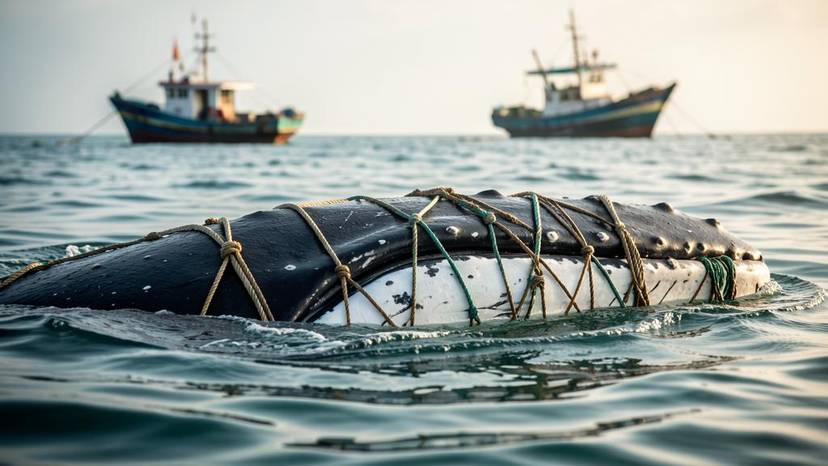
11 રીતે વ્હેલ એન્ટેંગલમેન્ટ ગુજરાતના દરિયાકાંઠે માછીમારી બદલી શકે છે
વ્હેલ એન્ટેંગલમેન્ટ એ ગુજરાતના દરિયાકાંઠે માછીમારીનું સૌથી મોટું છુપું સંકટ છે; આ 11 ઉપાયો દરિયાઈ જીવન અને માછીમારો બંનેને બચાવી શકે છે.
6 મિનિટ વાંચન
ગુજરાતમાં હોર્સ રેસિંગ ક્રૂરતા કેવી રીતે રોકવી: 7 પગલાં
ગુજરાતના ઘોડા દોડ ઉદ્યોગમાં છુપી ક્રૂરતા સામે જાગૃતિ, હિમાયત અને કાનૂની કાર્યવાહી દ્વારા પ્રાણી કલ્યાણ સુધારવા માટે વ્યવહારુ માર્ગદર્શિકા.
6 મિનિટ વાંચન
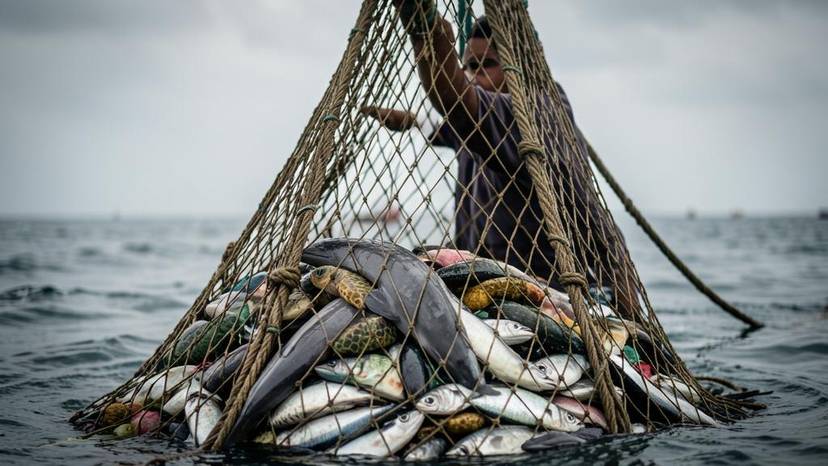
ગુજરાતમાં બાયકેચ સમજવું: દરિયાઈ જીવન બચાવવા શરૂઆત કરનારની માર્ગદર્શિકા
બાયકેચ એટલે શું, તે દરિયાઈ પ્રાણીઓને કેવી રીતે નુકસાન પહોંચાડે છે, અને ગુજરાતના દરિયાકાંઠે તેને ઘટાડવા માટે તમે પ્રથમ 30 દિવસમાં શું કરી શકો તેની સંપૂર્ણ માર્ગદર્શિકા.
8 મિનિટ વાંચન