How to Start a Plant-Based Food Truck in Gujarat in 90 Days on a Budget
Learn the step-by-step process to launch a successful plant-based food truck in Gujarat within 90 days, covering licenses, menu, costs, and marketing—all while championing animal rights.
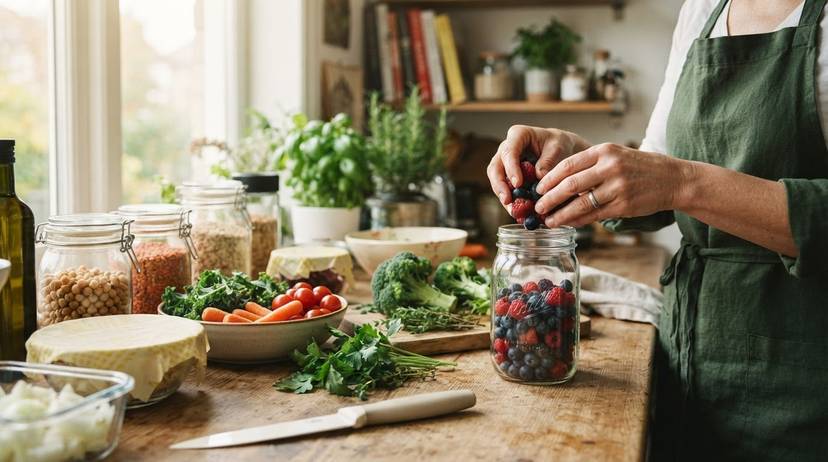
**Short answer:** Starting a plant-based food truck in Gujarat on a budget is feasible within 90 days if you secure the right licenses (FSSAI, local municipal permit), design a simple menu using local ingredients like chickpeas, millet, and seasonal vegetables, and target high-footfall areas like Ahmedabad's Maninagar or Surat's textile markets. Initial investment ranges from ₹5–8 lakh, with monthly operating costs around ₹1.5–2 lakh. With growing demand for vegan and vegetarian options, a plant-based food truck can break even within 6–8 months while promoting animal rights and sustainability.
Why Plant-Based Food Trucks Are Booming in Gujarat: A Market Opportunity
Gujarat has a deep-rooted vegetarian culture, but the plant-based movement is gaining fresh momentum. According to a 2024 survey by the Good Food Institute India, 63% of urban Gujaratis are willing to try plant-based alternatives to dairy and meat. This shift is driven by health consciousness, environmental concerns, and growing awareness of animal suffering in factory farming. A food truck offers low overhead compared to a restaurant, making it an accessible entry point for ethical entrepreneurs.
Moreover, cities like Ahmedabad, Vadodara, and Surat host numerous festivals and corporate events where vegan food is in demand. The state's tourism sector also attracts international visitors seeking plant-based options. By positioning your truck as an animal-friendly, eco-conscious business, you tap into a niche but growing segment. For example, 'The Green Wagon' in Mumbai has shown that a mobile vegan kitchen can generate ₹20,000–30,000 daily during peak seasons.
Step 1: Research Local Regulations and Obtain Necessary Licenses
Before you cook anything, you must legalize your operation. In Gujarat, you need an FSSAI license (State/ Central based on turnover), a food truck permit from the local municipal corporation (e.g., Ahmedabad Municipal Corporation), and a trade license. Additionally, you may need a GST registration if your annual turnover exceeds ₹40 lakh. The process typically takes 2–4 weeks, so start early.
Concrete example: In Ahmedabad, you can apply online via the AMC portal for a mobile food unit license, which costs around ₹5,000 annually. Also, check if your city has designated vending zones—Ahmedabad has several near Sabarmati Riverfront and university areas. Ignoring these rules can lead to fines up to ₹50,000, as per the Gujarat Food Safety Act.
| License | Issuing Authority | Cost (₹) |
|---|---|---|
| FSSAI License (State) | Food Safety and Standards Authority of India | 2,000 – 5,000 |
| Food Truck Permit | Municipal Corporation (e.g., AMC) | 5,000 – 10,000 |
| Trade License | Municipal Corporation | 1,000 – 3,000 |
| GST Registration | GST Department | Free |
| Fire Safety Certificate | Fire Department | 2,000 – 5,000 |
Step 2: Design a Simple, Scalable Plant-Based Menu
Your menu should be limited to 5–7 items that use affordable, locally sourced ingredients. Think of Gujarati favorites with a vegan twist: 'Vegan Khichdi', 'Pav Bhaji without butter', 'Chole with millet roti', and 'Bajra Burgers'. This reduces inventory costs and waste. According to a 2025 report by the Plant-Based Foods Association, menus with fewer items see 20% higher profit margins due to streamlined prep.
Example: 'The Kind Kitchen' in Bengaluru found that offering just five items—two burgers, one bowl, one wrap, and one dessert—allowed them to prep everything in under two hours daily. For Gujarat, include a 'Kathiyawadi Thali' with undhiyu, rotla, and salad, priced around ₹150–200. This appeals to locals while being clearly plant-based.
Must-have menu items for a Gujarati plant-based food truck
- Vegan Kathiyawadi Thali (undhiyu, rotla, salad)
- Millet Burger with house-made patty
- Chole Bhature (vegan bhature)
- Pav Bhaji (using plant-based butter)
- Fresh sugarcane juice or kokum cooler
- Vegan dessert like dates-barfi
Step 3: Budgeting and Financing Your Food Truck
A second-hand food truck can cost ₹3–5 lakh, while a new one ranges ₹6–10 lakh. Kitchen equipment (grill, fryer, refrigerator, storage) adds another ₹1.5–2 lakh. Initial working capital for ingredients and fuel is around ₹50,000. Total start-up: ₹5–8 lakh. You can finance via small business loans from banks like SBI or State Bank of India's Mudra scheme, which offers up to ₹10 lakh for food businesses.
To save money, consider leasing a truck instead of buying, or purchasing used equipment from closed restaurants. Also, partner with local farmers' markets to source fresh produce at wholesale prices. For instance, in Ahmedabad's Jamalpur vegetable market, you can buy a 50kg sack of onions for ₹1,200—60% cheaper than retail.
Start-up cost breakdown for a plant-based food truck in Gujarat (₹ lakh)
Step 4: Source Ethical and Sustainable Ingredients
Your ingredients should align with your values: local, organic when possible, and cruelty-free. In Gujarat, you can source organic millets, legumes, and spices from cooperatives like 'Gujarat Organic' or 'Sahaja Samrudha'. For tofu and plant-based meats, connect with suppliers like 'Evo Foods' (Mumbai) or 'GoodDot' (Udaipur) that deliver across India. Buying in bulk reduces costs by 15–20%.
Example: For your burger patties, use a mix of black beans, oats, and beets—costing about ₹30 per patty, compared to ₹80 for a store-bought vegan patty. This not only cuts costs but also reduces packaging waste, a key selling point for eco-conscious customers.
Step 5: Choose the Right Locations and Events
Your success hinges on foot traffic. In Gujarat, prime spots include IT hubs like GIFT City in Gandhinagar, university campuses, and popular weekend markets like Ahmedabad's 'Night Bazaar' or Surat's 'Textile Market'. Also, participate in food festivals, such as the annual 'Vibrant Gujarat Global Summit' or local vegan fairs. These events can generate ₹30,000–50,000 per day.
For example, 'The Vegan Truck' in Delhi reports that parking near tech parks during lunch hours yields 80% of their daily sales. Similarly, in Gujarat, targeting corporate offices in Infocity, Gandhinagar, from 12–3 PM can be lucrative. Always check local vending rules; some areas require special permits for temporary stalls.
Checklist for location scouting
- ✓Check foot traffic at different times of day
- ✓Verify vending zone permits with local corporation
- ✓Assess competition—avoid areas with many non-veg trucks
- ✓Ensure parking space for your truck and customer queue
- ✓Test different locations for 2-3 days before committing
Step 6: Market Your Truck as an Animal-Friendly Brand
Use social media to build a following before launch. Post behind-the-scenes content, menu previews, and educational posts about animal welfare and environmental impact. Collaborate with local vegan influencers like 'Vegan Gujarat' (Instagram) to reach a wider audience. Offer a 'first meal free' promotion on launch day to generate buzz.
Example: 'Green Bowl Express' in Pune gained 10,000 followers in two months by sharing daily specials and customer testimonials. You can also partner with animal charities like 'People for Animals' (Ahmedabad chapter) to donate a portion of profits, strengthening your ethical branding.
“A plant-based food truck isn't just a business; it's a mobile ambassador for compassion. Every meal we serve replaces a meal that would have caused suffering.”
Step 7: Manage Operations and Reduce Waste
Efficiency is key. Pre-prep ingredients in the morning and use a streamlined cooking process. Implement a zero-waste policy: compost vegetable scraps, use biodegradable packaging (e.g., areca leaf plates, paper bags), and offer discounts to customers who bring their own containers. This reduces waste and appeals to eco-conscious consumers.
For example, the 'EcoBite' truck in Bengaluru reports cutting waste costs by 30% through composting and donating leftover food to local shelters. In Gujarat, you can partner with organizations like 'Robin Hood Army' to distribute unsold meals, enhancing your community impact.
Step 8: Scale and Diversify Revenue Streams
Once you break even (typically after 6–8 months), consider expanding. Offer catering services for corporate events, weddings, and birthday parties. Launch a small line of packaged vegan snacks (like roasted chana or millet cookies) to sell wholesale. You can also rent your truck for private events at ₹5,000–10,000 per day.

Example: 'The Green Wagon' in Mumbai now books 15–20 catering events per month, doubling their revenue. In Gujarat, you can target Navratri and Diwali celebrations, where plant-based food is in high demand.
Frequently Asked Questions
Is it expensive to start a plant-based food truck in Gujarat?
No, it's relatively affordable compared to a restaurant. The initial investment ranges from ₹5–8 lakh, with monthly operating costs of ₹1.5–2 lakh. You can reduce costs by buying a used truck and sourcing local ingredients. Many entrepreneurs fund this via Mudra loans, which offer up to ₹10 lakh at competitive interest rates.
What licenses do I need for a food truck in Gujarat?
You need an FSSAI license (State or Central), a municipal food truck permit, a trade license, and optionally GST registration. The process takes 2–4 weeks. In Ahmedabad, you apply online via the AMC portal. Failure to obtain these can result in fines up to ₹50,000.
How much profit can a plant-based food truck make in Gujarat?
Profit margins typically range from 15–25%. With daily sales of ₹10,000–15,000, you can earn a net profit of ₹1,500–3,750 per day. During festivals or events, daily revenue can spike to ₹30,000–50,000. Break-even typically occurs within 6–8 months.
Do I need to be a vegan to run a plant-based food truck?
Not necessarily, but it helps. Customers value authenticity. However, you must commit to 100% plant-based ingredients—no hidden animal products. Training your staff on vegan ethics and cross-contamination is crucial. Many successful truck owners are 'flexitarians' who are passionate about sustainability.
What are the best locations for a food truck in Gujarat?
High-footfall areas include IT parks (GIFT City, Infocity), university campuses (e.g., Gujarat University), and popular markets like Ahmedabad's Maninagar or Surat's Textile Market. Weekend events and festivals are also lucrative. Always check local vending regulations to avoid fines.
How can I market my plant-based food truck on a budget?
Use free social media platforms—Instagram, Facebook, and WhatsApp Business. Post daily specials, behind-the-scenes content, and customer reviews. Partner with local vegan influencers and participate in community events. Offer discounts for first-time customers and loyalty programs to build a regular clientele.
Key Takeaways
Key Takeaways
- Start with a budget of ₹5–8 lakh and use Mudra loans if needed.
- Obtain all necessary licenses to avoid legal issues.
- Focus on a menu with 5–7 items using local, affordable ingredients.
- Choose high-traffic locations and use social media for marketing.
- Implement zero-waste practices to reduce costs and appeal to eco-conscious customers.
સંબંધિત વિષયો
સંબંધિત
રિફિલ કલ્ચર શું છે? ગુજરાતમાં પ્લાસ્ટિક કચરો ઘટાડવાની સંપૂર્ણ માર્ગદર્શિકા
રિફિલ કલ્ચર એટલે સિંગલ-યુઝ પ્લાસ્ટિકને નકારીને કન્ટેનર ફરી ભરવાની ટેવ; ગુજરાતમાં આ ચળવળ કચરો, પ્રાણી કલ્યાણ અને આબોહવા પર કેવી અસર કરે છે તે જાણો.
7 મિનિટ વાંચન
બાળકો સાથે પ્રાણી ખેતી વિશે વાત: શરમ-મુક્ત પેરેન્ટિંગ માટે વ્યવહારુ માર્ગદર્શિકા
માતા-પિતા માટે આ લેખ સમજાવે છે કે કેવી રીતે બાળકોને પ્રાણી ખેતી, માંસ અને દૂધ વિશે શરમ કે આઘાત વિના વાત કરવી, ઉંમર-યોગ્ય ભાષા અને પોષણ સાથે.
6 મિનિટ વાંચન
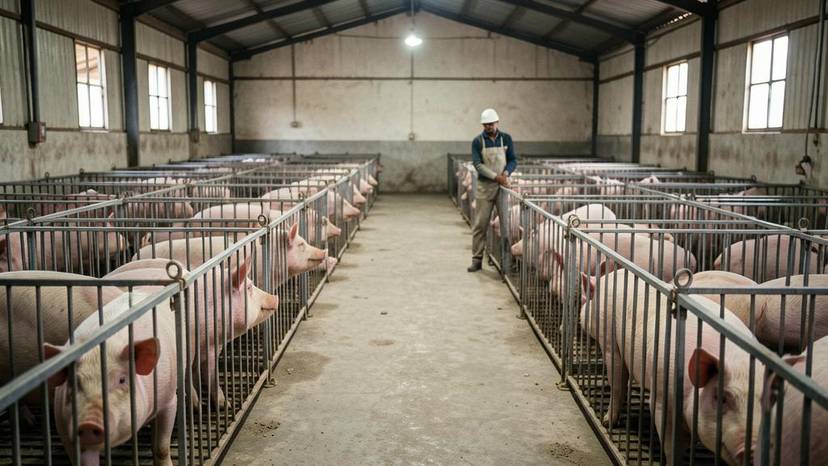
શું ભારતમાં sow stalls પર પ્રતિબંધ મૂકવાનો સમય આવી ગયો? ગુજરાતમાં ડુક્કર ઉદ્યોગનું સત્ય
ગુજરાતમાં ડુક્કર ઉદ્યોગમાં sow stalls (ગર્ભાવસ્થાના પાંજરા) ની ક્રૂરતા, પ્રાણી કલ્યાણ કાયદા અને નૈતિક વિકલ્પો વિશે જાણો, અને શા માટે હવે પ્રતિબંધ જરૂરી છે.
7 મિનિટ વાંચન