
Omega-3 des algues vs huile de poisson : laquelle choisir en 2026 ?
Comparatif complet entre les oméga-3 d'algues et l'huile de poisson : nutrition, prix, impact environnemental et éthique, pour un choix éclairé en 2026.
7 min de lecture
Planet
'Buy local' is the most popular piece of food-sustainability advice and one of the least effective per unit of effort. Transport is a small slice of most foods' emissions; what the food is matters far more than how far it travelled. That does not make local pointless — it makes it a second-order lever.
| Critère | Eating local | Eating plant-based |
|---|---|---|
| Share of emissions addressed | Transport is typically a small percentage of a food's total footprint. | Production accounts for the large majority, so switching food type moves the bigger number. |
| Best case | Strong for seasonal produce, short supply chains and local economies. | Strong across the board, including for imported plant staples. |
| Common failure mode | Local heated-greenhouse or air-freighted produce can exceed imported sea-freighted equivalents. | Air-freighted fresh produce is the notable exception worth avoiding. |
| Other benefits | Freshness, seasonality, farmer relationships, rural economies. | Land, water, biodiversity and animal-welfare gains alongside emissions. |
Comparatif complet entre les oméga-3 d'algues et l'huile de poisson : nutrition, prix, impact environnemental et éthique, pour un choix éclairé en 2026.
7 min de lecture
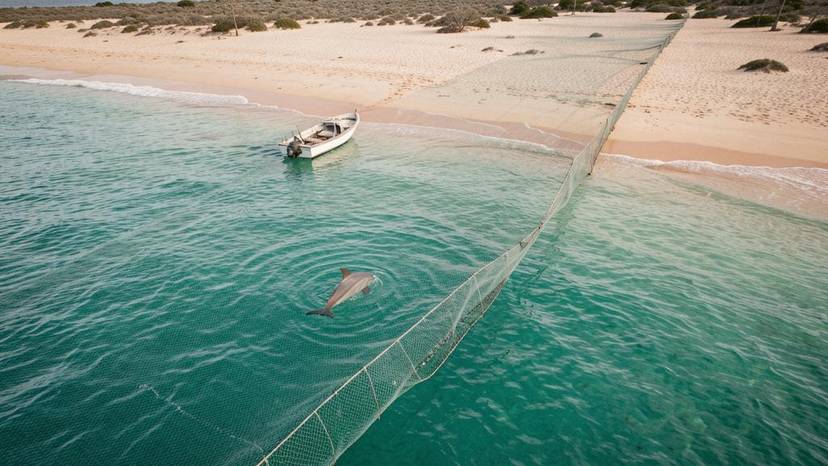
De 1961 à 2026, cette chronologie détaille comment l'élevage est devenu un moteur majeur du réchauffement climatique, et pourquoi la transition végétale s'impose.
8 min de lecture
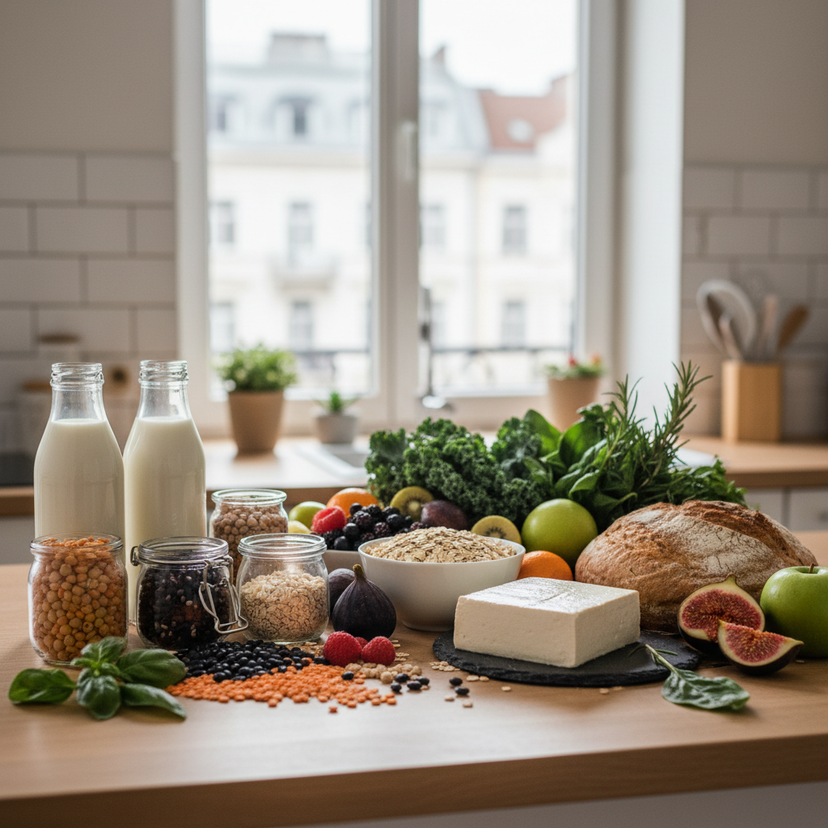
Une enquête exclusive révèle les pratiques choquantes de la génétique accélérée dans les élevages de poulets en France, exposant la souffrance animale et ses impacts dévastateurs sur la filière végétale.
8 min de lecture
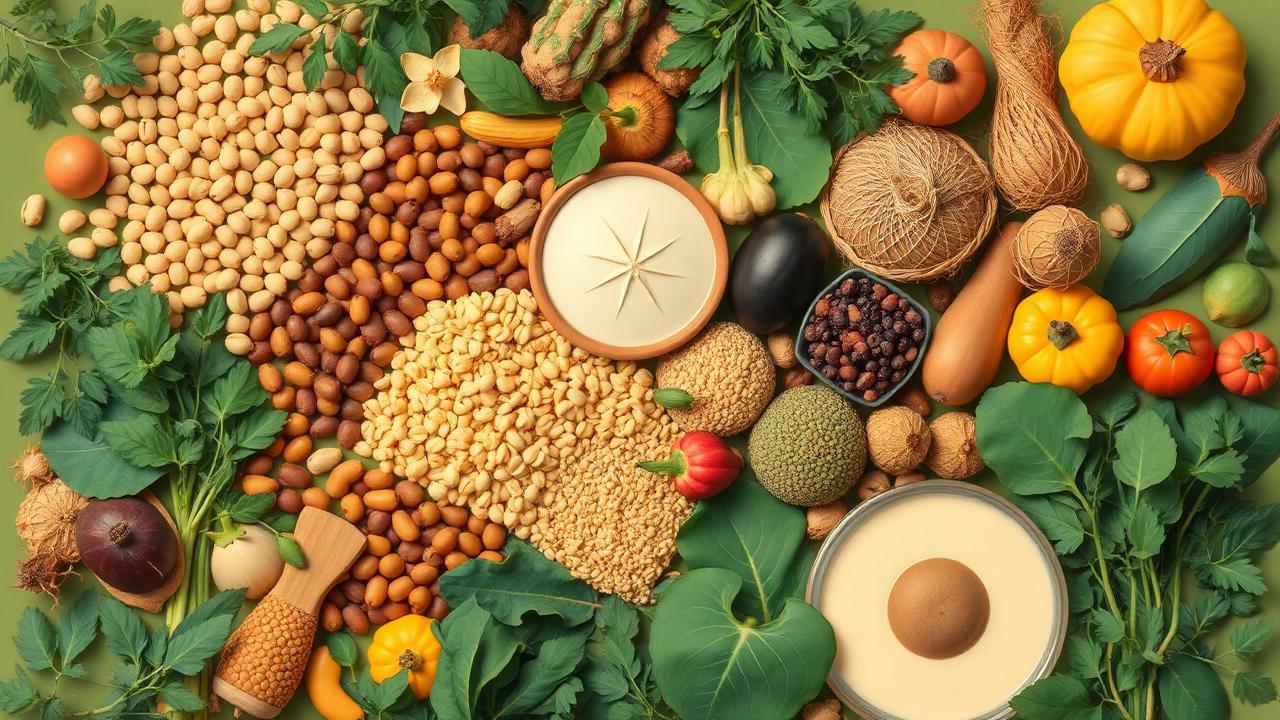
Cette comparaison met en balance deux options selon les mêmes critères, afin que le compromis soit visible plutôt qu'implicite. Nous ne désignons pas de vainqueur universel : le meilleur choix dépend de ce que vous cherchez à optimiser — émissions, bien-être animal, nutrition, coût, disponibilité ou temps — et ces priorités diffèrent légitimement d'un lecteur à l'autre.
Tout ce qui suit provient de nos propres reportages dans ce numéro. Lorsque les données sont réellement contestées, la comparaison le dit plutôt que de la trancher artificiellement, et les articles liés montrent les jeux de données derrière chaque affirmation.
Les deux options sont évaluées selon des critères identiques et, dans la mesure du possible, à partir de chiffres issus de la même étude ou du même jeu de données — mélanger des sources avec des périmètres différents est la façon la plus courante de tromper dans une comparaison. Les émissions sont exprimées par unité utile plutôt que par kilogramme lorsque cela change le classement, le bien-être est évalué selon le schéma de certification réellement en vigueur, et la nutrition est comparée à des portions réalistes.
Le contexte local détermine plusieurs critères. L'empreinte hydrique dépend de l'endroit où une culture pousse, pas seulement de ce qu'elle est. La disponibilité, le prix et les règles d'étiquetage varient selon les pays. Les besoins nutritionnels personnels varient selon l'âge, la grossesse, les médicaments et les antécédents médicaux. Considérez la comparaison comme une façon structurée de réfléchir, et vérifiez les critères qui sont locaux pour vous.
Choisissez les deux ou trois critères qui comptent vraiment pour vous et ignorez le reste — une comparaison optimisée pour tout à la fois n'est optimisée pour rien. Si les deux options sont proches sur vos priorités, le critère de départage est généralement celle que vous continuerez à suivre de façon réaliste, car les changements durables surpassent les options théoriquement optimales qui finissent abandonnées.
| Critère | Ce que nous examinons | Pourquoi cela varie |
|---|---|---|
| Climat | Émissions par unité utile | Périmètres et géographie |
| Terres et eau | Utilisation par unité de production | Pluviométrie et qualité des sols locales |
| Animaux | Résultats en matière de bien-être, pas les étiquettes | Schéma de certification en vigueur |
| Nutrition | Portions réalistes | Besoins et apports individuels |
| Pratique | Coût, disponibilité, effort | Pays et foyer |