Glossaire
Glossaire
VegEco publie du journalisme végétal, sur le bien-être animal, le climat et la durabilité en 33 langues.
- 29
- Termes définis
- 8
- Domaines
- 33
- Éditions

Alimentation
5 termes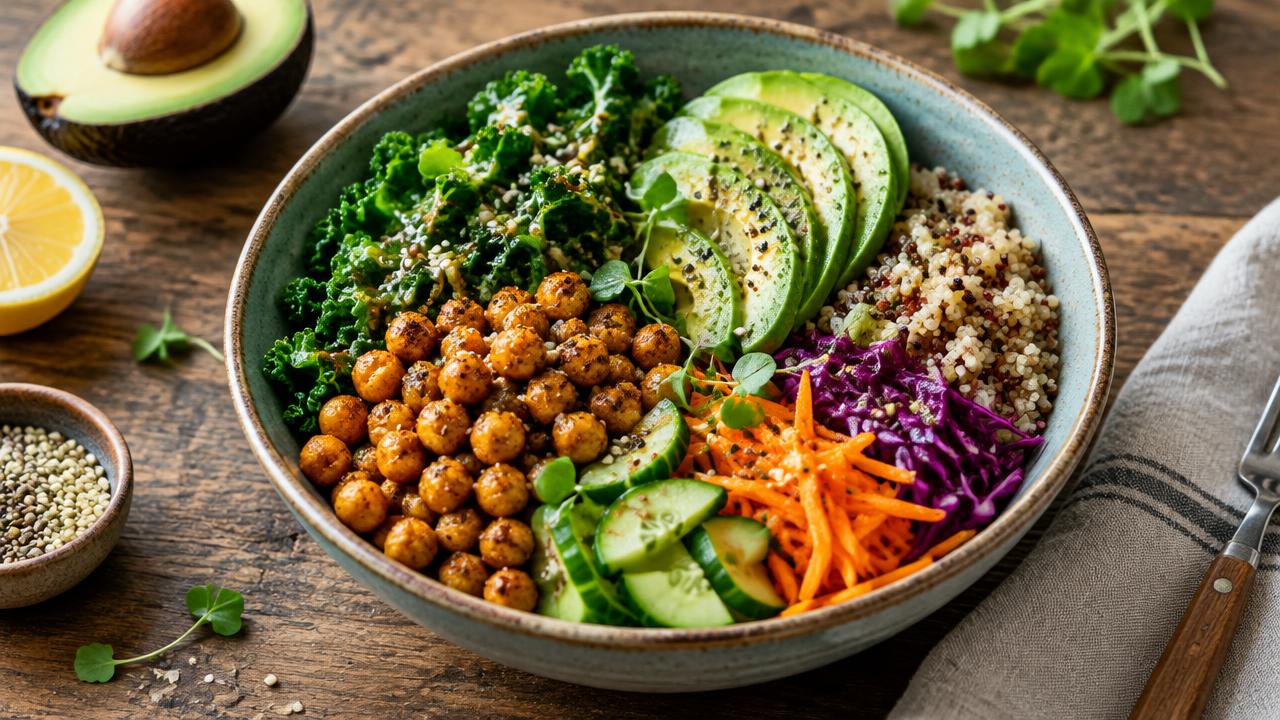
- Régime à base de plantes
- Un mode d'alimentation centré sur les aliments d'origine végétale — légumes, fruits, céréales complètes, légumineuses, noix et graines — avec une réduction ou une exclusion des produits animaux. Articles sur ce sujet →
- Végane
- Un mode de vie qui cherche à exclure, dans la mesure du possible, toute forme d'exploitation des animaux — y compris dans l'alimentation, l'habillement et d'autres usages. Articles sur ce sujet →
- Végétarien
- Un régime qui exclut la viande, la volaille et le poisson, mais peut inclure les produits laitiers et les œufs (lacto-ovo). Articles sur ce sujet →
- Flexitarien
- Un mode d'alimentation principalement végétal qui inclut occasionnellement de la viande ou du poisson. Articles sur ce sujet →
- Alimentation végétale complète (WFPB)
- Un régime à base de plantes qui privilégie les aliments complets peu transformés et limite les huiles, le sucre raffiné et la farine raffinée. Articles sur ce sujet →
Nutrition
4 termes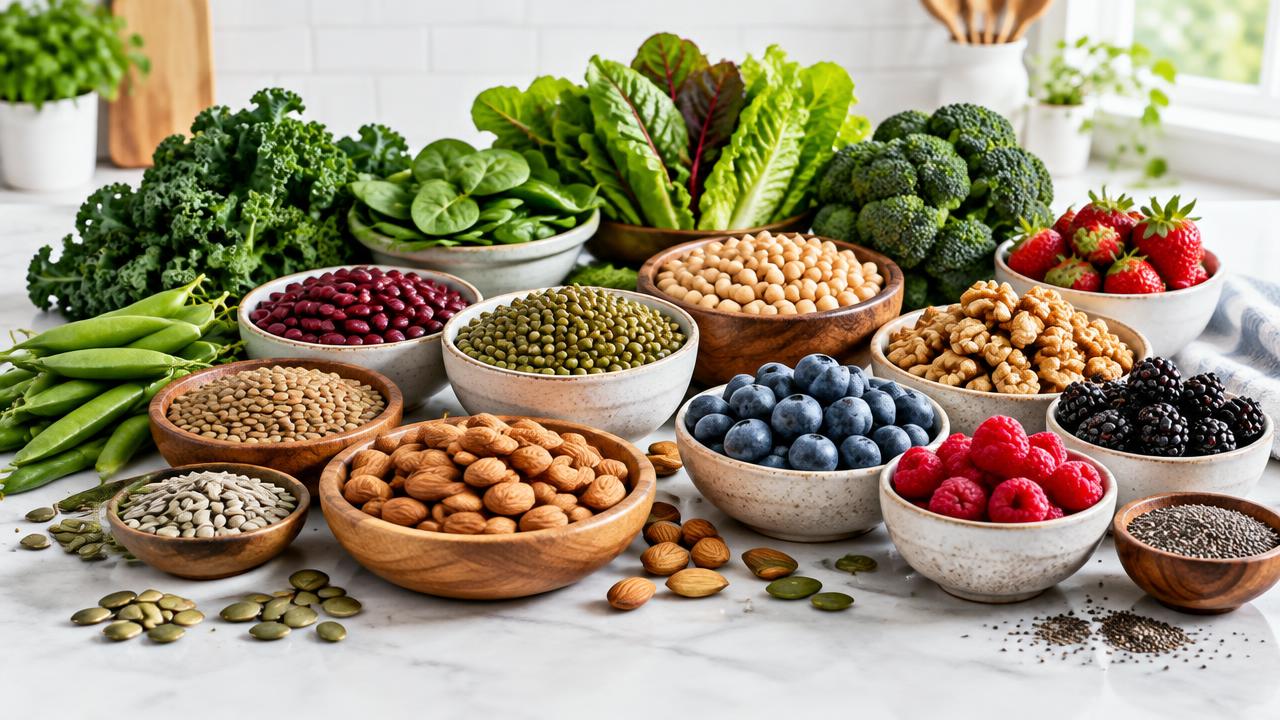
- Protéine complète
- Une source de protéines qui fournit les neuf acides aminés essentiels en quantités suffisantes ; les combinaisons de légumineuses et de céréales permettent d'y parvenir sur la journée. Articles sur ce sujet →
- Vitamine B12
- Une vitamine essentielle produite par des bactéries ; dans les régimes à base de plantes, elle est apportée de manière fiable par des suppléments ou des aliments enrichis. Articles sur ce sujet →
- Oméga-3 (ALA / EPA / DHA)
- Des acides gras essentiels ; l'ALA se trouve dans les graines de lin, de chia et les noix. L'EPA et le DHA peuvent être obtenus à partir d'huile d'algues. Articles sur ce sujet →
- Fer héminique vs non héminique
- Le fer héminique provient des aliments d'origine animale ; le fer non héminique des plantes. L'absorption du fer non héminique est favorisée par la vitamine C. Articles sur ce sujet →
Animaux
5 termes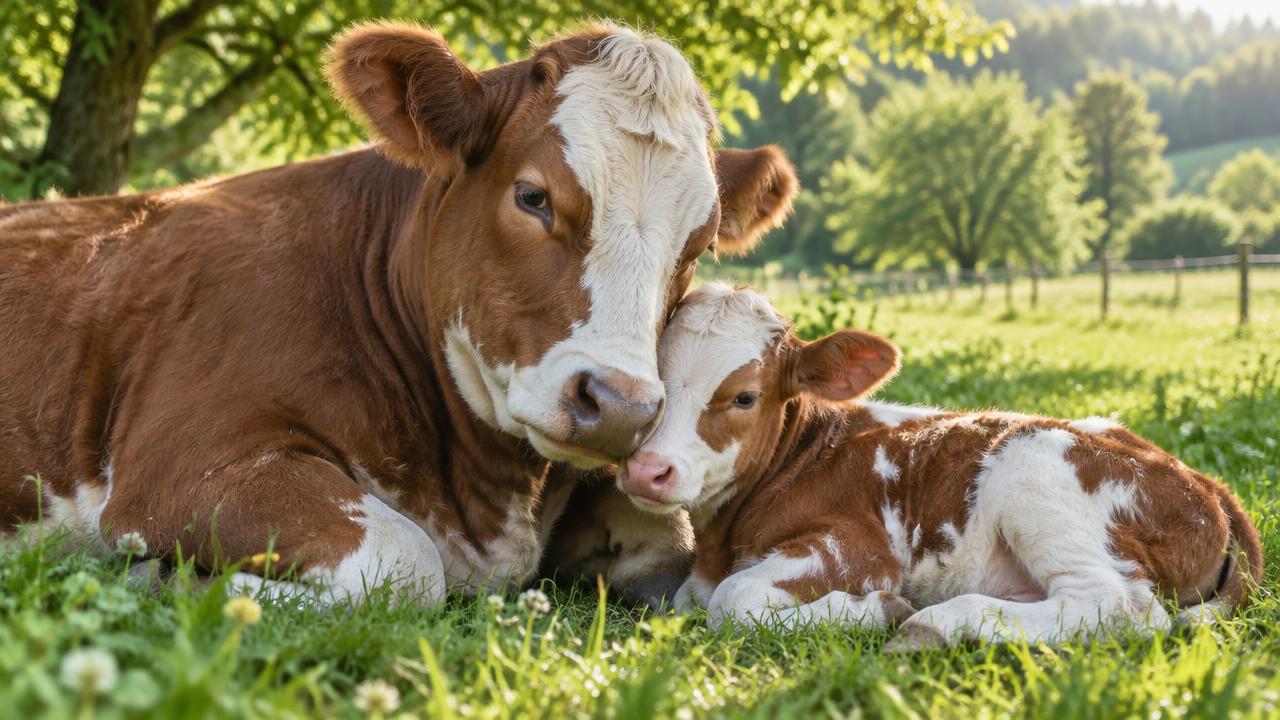
- Élevage industriel
- Une agriculture animale à grande échelle qui concentre les animaux en captivité pour maximiser la production à faible coût unitaire. Articles sur ce sujet →
- CAFO
- Concentrated Animal Feeding Operation — terme réglementaire américain désignant les plus grandes installations d'élevage en confinement. Articles sur ce sujet →
- Sensibilité
- La capacité de ressentir, de percevoir ou de vivre des expériences subjectives — reconnue chez les vertébrés et de nombreux invertébrés par la science contemporaine. Articles sur ce sujet →
- Spécisme
- L'hypothèse d'une supériorité morale d'une espèce (généralement humaine) sur les autres, souvent utilisée pour justifier l'exploitation. Articles sur ce sujet →
- Sans cage / en libre parcours
- Des labels réglementant le logement des poules ; les deux permettent le confinement en intérieur et ne sont pas synonymes de bien-être élevé ou d'élevage en plein air. Articles sur ce sujet →
Climat
5 termes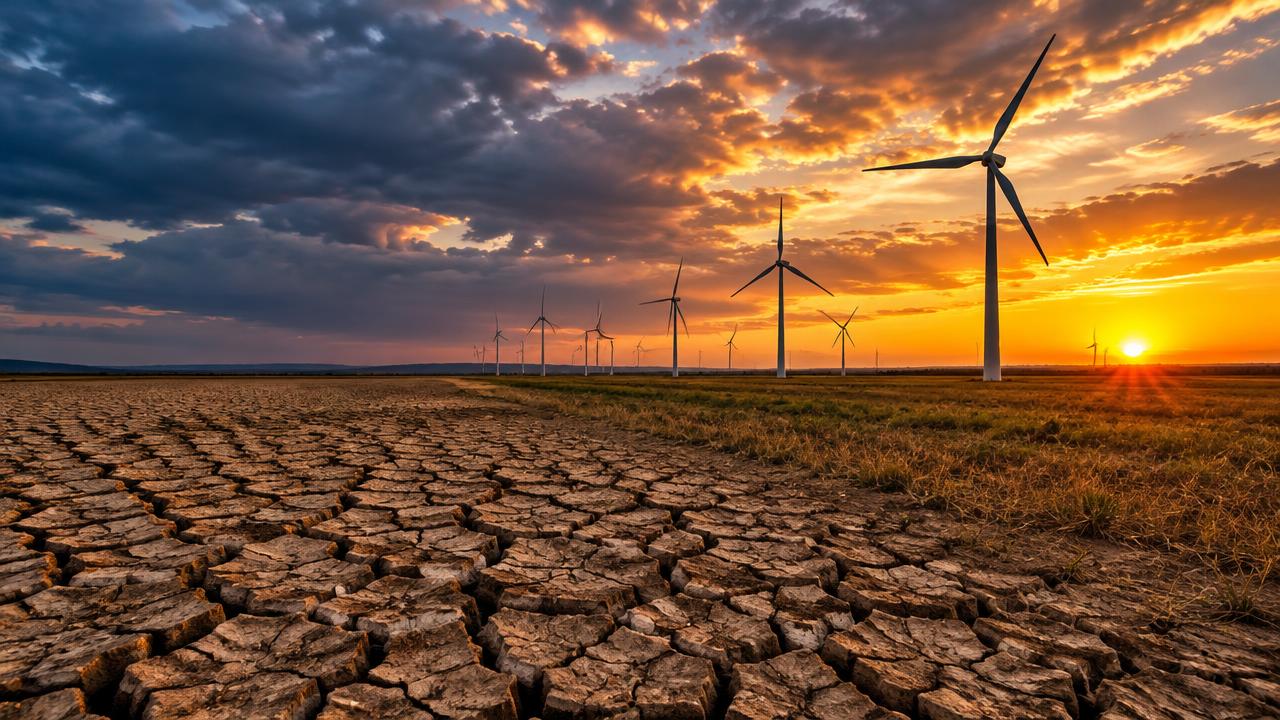
- GES (gaz à effet de serre)
- Des gaz tels que le CO₂, le méthane (CH₄) et le protoxyde d'azote (N₂O) qui piègent la chaleur dans l'atmosphère et contribuent au réchauffement climatique. Articles sur ce sujet →
- Équivalent CO₂ (CO₂e)
- Une mesure commune qui convertit différents gaz à effet de serre en l'effet de réchauffement d'une masse équivalente de CO₂. Articles sur ce sujet →
- Méthane entérique
- Méthane produit par la fermentation microbienne dans l'estomac des ruminants tels que les bovins et les ovins. Articles sur ce sujet →
- Empreinte carbone
- Les émissions totales de gaz à effet de serre causées directement et indirectement par une personne, un produit ou une activité. Articles sur ce sujet →
- Changement d'affectation des terres
- Conversion d'écosystèmes (souvent des forêts) en terres agricoles ou en pâturages — un facteur majeur de perte de biodiversité et d'émissions. Articles sur ce sujet →
Durabilité
4 termes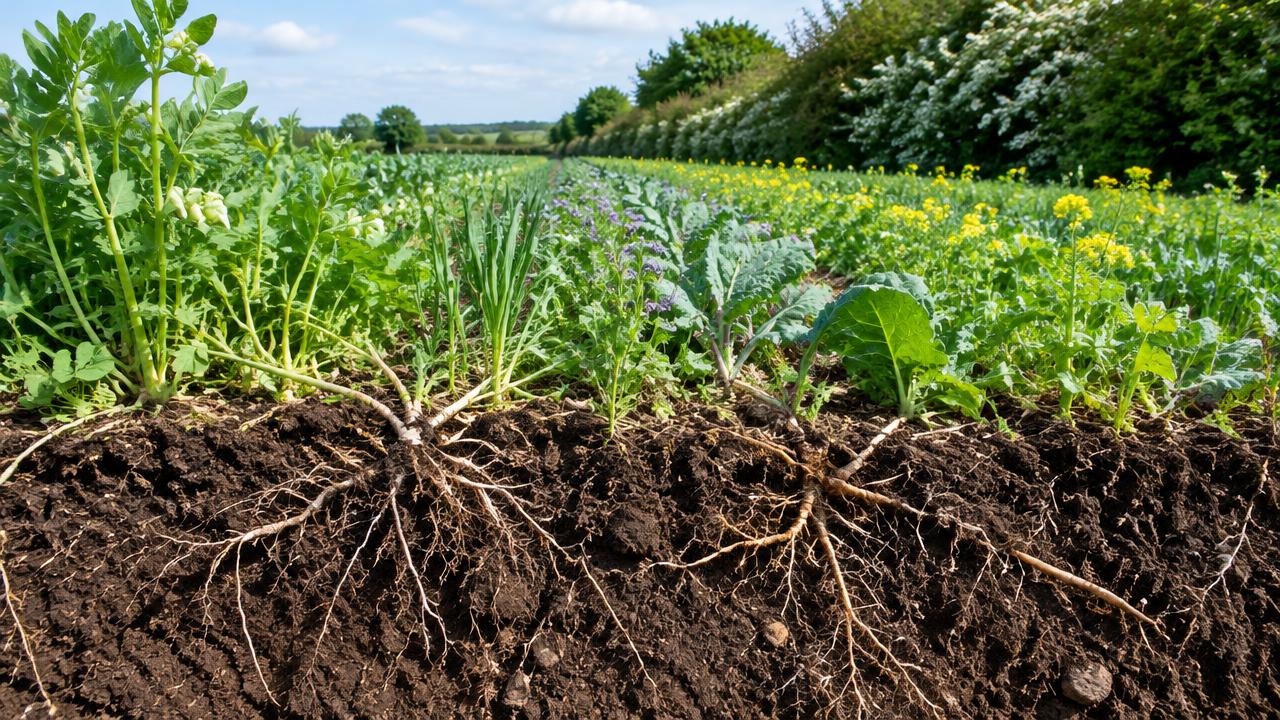
- Économie circulaire
- Un modèle économique conçu pour éliminer les déchets en maintenant les matériaux en usage grâce à la réutilisation, la réparation et le recyclage. Articles sur ce sujet →
- Agriculture régénérative
- Des pratiques agricoles qui visent à restaurer la santé des sols, la biodiversité et les cycles de l'eau plutôt que de simplement les maintenir. Articles sur ce sujet →
- Kilomètres alimentaires
- La distance parcourue par les aliments du producteur au consommateur — l'un des nombreux facteurs de l'impact environnemental d'un produit. Articles sur ce sujet →
- Zéro déchet
- Une philosophie de conception visant à n'envoyer rien à la décharge ou à l'incinération en prévenant les déchets à la source. Articles sur ce sujet →
Océan
2 termes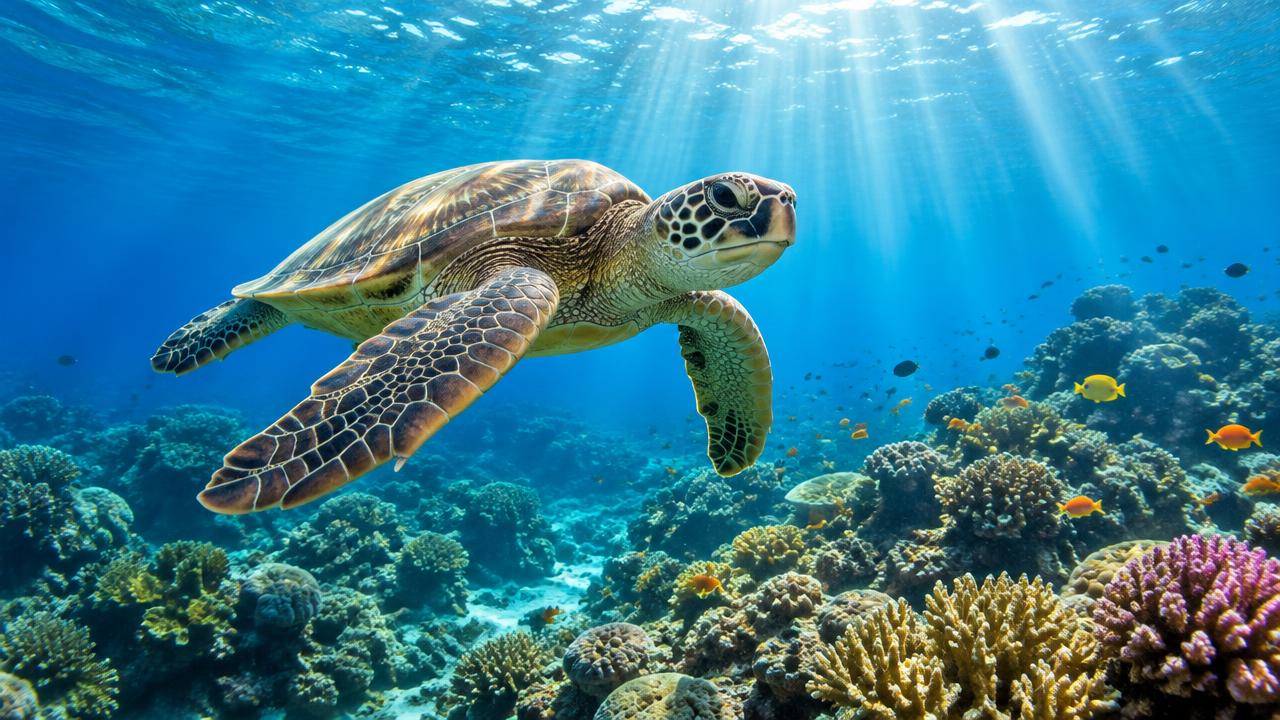
- Prises accessoires
- Espèces marines non ciblées capturées involontairement lors de la pêche commerciale. Articles sur ce sujet →
- Surexploitation des pêches
- Le fait de prélever les poissons plus vite que les populations ne peuvent se reproduire, dégradant les écosystèmes marins et la sécurité alimentaire. Articles sur ce sujet →
Mode
2 termes
- Mode éphémère
- Un modèle économique qui produit de grandes quantités de vêtements bon marché et rapidement renouvelés, avec des coûts environnementaux et sociaux élevés. Articles sur ce sujet →
- Cuir végétal
- Des alternatives au cuir fabriquées à partir de matières végétales (cactus, ananas, pomme), de polyuréthane recyclé ou de films biosourcés. Articles sur ce sujet →
Étiquettes
2 termes
- Certifié végane
- Un label tiers indiquant qu'un produit ne contient aucun ingrédient d'origine animale et n'a pas été testé sur les animaux. Articles sur ce sujet →
- Commerce équitable
- Certification garantissant que les marchandises ont été produites selon des normes de salaires, de conditions de travail et d'investissement communautaire. Articles sur ce sujet →
Comment nous définissons ces termes
Les définitions reprennent la terminologie utilisée par les autorités de régulation, la recherche évaluée par les pairs et les organismes de certification lorsqu'elle existe. Lorsqu'un terme est contesté ou relève du marketing, nous le précisons plutôt que de prendre parti.
Pour aller plus loin
Ces termes reviennent dans nos enquêtes sur l'élevage industriel, les droits des animaux et le coût climatique de l'agriculture animale.
Termes définis
Comment nous définissons ces termes →- Régime à base de plantes
- Un mode d'alimentation centré sur les aliments d'origine végétale — légumes, fruits, céréales complètes, légumineuses, noix et graines — avec une réduction ou une exclusion des produits animaux.
- Végane
- Un mode de vie qui cherche à exclure, dans la mesure du possible, toute forme d'exploitation des animaux — y compris dans l'alimentation, l'habillement et d'autres usages.
- Végétarien
- Un régime qui exclut la viande, la volaille et le poisson, mais peut inclure les produits laitiers et les œufs (lacto-ovo).
- Flexitarien
- Un mode d'alimentation principalement végétal qui inclut occasionnellement de la viande ou du poisson.
Les débats sur l'alimentation, l'agriculture et le climat butent plus souvent sur le vocabulaire que sur les preuves. « À base de plantes » signifie une chose sur une étiquette de supermarché et une autre dans un essai nutritionnel ; « plein air » est une définition légale dans certains pays et un adjectif marketing dans d'autres ; « neutre en carbone » peut décrire une réduction réelle ou une compensation achetée après coup. Ce glossaire fixe les significations que nous utilisons dans toutes les éditions de VegEco afin que notre reporting reste cohérent.
Chaque entrée est conçue pour être utile, pas seulement correcte : elle dit ce que le terme couvre, où ses limites sont contestées, et quoi vérifier avant d'accepter une affirmation qui s'appuie dessus. Les termes sont regroupés par domaine — alimentation, bien-être animal, systèmes agricoles, science du climat et étiquetage — car le même mot peut avoir un poids différent dans chacun.
Pourquoi les définitions décident du débat
La plupart des désaccords publiés sur l'empreinte des aliments sont définitionnels plutôt qu'empiriques. Deux études peuvent rapporter des émissions par kilogramme d'un produit qui diffèrent d'un facteur quatre uniquement parce que l'une compte le changement d'affectation des terres et l'autre non, ou parce que l'une s'arrête à la porte de la ferme tandis que l'autre suit le produit jusqu'à l'assiette. Avant de comparer deux chiffres, confirmez qu'ils mesurent le même système, sur la même frontière, la même année. Si une source ne vous dit pas sa frontière, le chiffre n'est comparable à rien.
Étiquettes, certifications et ce qu'elles garantissent
Une certification est une promesse sur un processus, pas généralement sur un résultat. Les programmes de bien-être spécifient typiquement la densité de peuplement, l'enrichissement ou la méthode d'abattage ; les programmes bio spécifient les intrants ; les étiquettes carbone spécifient une méthode de comptabilité. Aucun d'eux ne garantit ce que les acheteurs supposent généralement. Le test pratique est de chercher la norme derrière le logo et de lire la clause qui vous importe — la plupart des programmes publient leurs critères complets, et l'écart entre l'implication du logo et le texte de la clause est là où se produit la plupart des erreurs de lecture.
Des termes qui changent de sens selon les régions
La réglementation est locale, donc le vocabulaire aussi. Sans cage, élevé en plein air, humain, naturel et même végane sont définis par la loi dans certaines juridictions et non réglementés dans d'autres, et la même phrase peut être traduite en un terme avec un sens juridique plus fort ou plus faible. Parce que chaque édition de VegEco est écrite nativement plutôt que traduite par machine, chaque édition utilise le terme que ses propres lecteurs rencontreront sur leurs propres emballages — donc une définition ici peut différer en accentuation de l'entrée équivalente dans une autre langue.
Termes souvent confondus et ce qui les sépare réellement
À base de plantes
- Ce qu'il couvre
- Un régime alimentaire centré sur les plantes
- Ce qu'il ne couvre pas
- Garantir zéro ingrédient d'origine animale
Végane
- Ce qu'il couvre
- Exclure l'utilisation animale dans la mesure du possible
- Ce qu'il ne couvre pas
- Dire quoi que ce soit sur la nutrition ou l'empreinte
Plein air
- Ce qu'il couvre
- Un certain accès à l'extérieur, défini localement
- Ce qu'il ne couvre pas
- Spécifier l'espace, la durée ou la taille du troupeau
Neutre en carbone
- Ce qu'il couvre
- Chiffre net après compensations
- Ce qu'il ne couvre pas
- Prouver une réduction absolue des émissions
Régénératif
- Ce qu'il couvre
- Pratiques visant la santé des sols
- Ce qu'il ne couvre pas
- Une norme unique audité
FAQ
- Est-ce que « à base de plantes » est la même chose que « végane » ?
- Non. « À base de plantes » décrit ce dont un régime se compose principalement ; « végane » décrit une position éthique qui s'étend au-delà de l'alimentation aux vêtements et autres usages animaux. Un produit à base de plantes peut légalement contenir des ingrédients d'origine animale à moins qu'il ne porte également une mention végane.
- Pourquoi les chiffres d'émissions pour le même aliment diffèrent-ils autant ?
- À cause des frontières du système, de l'allocation entre coproduits, de la prise en compte ou non du changement d'affectation des terres, et de la région et de l'année des données sous-jacentes. Deux études crédibles peuvent différer de plusieurs fois sans que l'une ou l'autre soit fausse.
- Les étiquettes de bien-être signifient-elles que les animaux ont eu une bonne vie ?
- Elles signifient qu'un ensemble spécifique de critères de processus a été audité. Lisez la norme derrière le logo : les clauses sur la densité de peuplement, l'enrichissement, le transport et l'abattage vous en disent bien plus que le nom de l'étiquette.
- À quelle fréquence ce glossaire est-il mis à jour ?
- Les entrées sont révisées chaque fois que la réglementation, les critères de certification ou la lecture scientifique dominante changent, et de nouveaux termes sont ajoutés à mesure que nos bureaux commencent à les utiliser dans leur reporting.