行动起来
行动起来
VegEco 以 33 种语言发布植物饮食、动物福利、气候与可持续发展报道。
Why it matters
- ~92B
- Land animals slaughtered for food each year
- ~1–2T
- Fish and sea animals killed annually
- ~14.5%
- Of global greenhouse gases from animal agriculture
- ~77%
- Of farmland used for livestock and their feed
Figures from FAOSTAT, FAO livestock assessments and peer-reviewed food-system research.
Your first week
Most people quit because they change everything at once. This sequence changes one thing a day.
- 01
Day 1 — Swap one meal
Replace a single meat-based meal with beans, lentils or tofu. Note how little you miss it.
- 02
Day 2 — Fix the fridge
Buy oat or soy milk, a plant spread and a protein staple so the easy choice is the default.
- 03
Day 3 — Learn the reality
Watch one investigation into standard farming practice — gestation crates, macerators, gas chambers.
- 04
Day 4 — Cook once, eat thrice
Batch a chilli, curry or stew. Cheap, high-protein, zero animal products.
- 05
Day 5 — Check your labels
Read one product's ingredients for whey, gelatine, casein and carmine.
- 06
Day 6 — Bring someone
Cook for one friend or relative. Persuasion happens at the table, not online.
- 07
Day 7 — Commit publicly
Take a pledge below, or subscribe so the next week has support behind it.
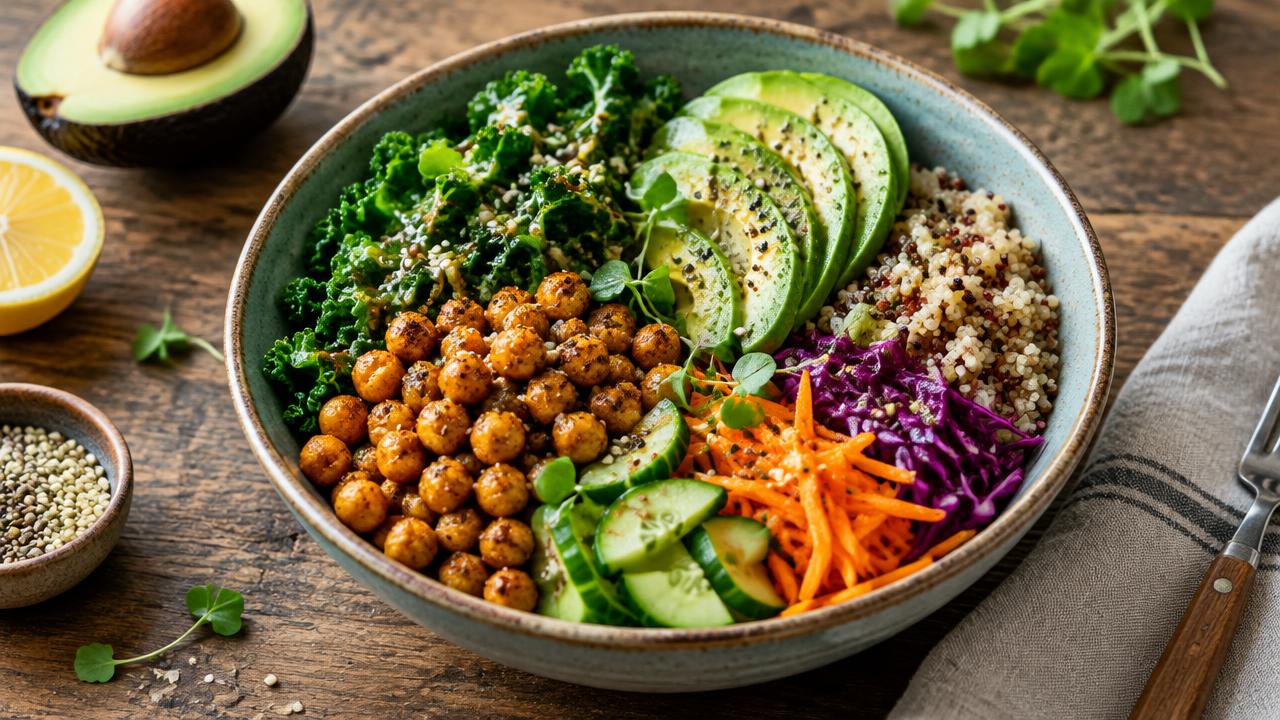
Eat plant-based, one meal at a time
You don't need to be perfect. Swapping a few weekly meals for plant-based cuts personal emissions and spares animals.
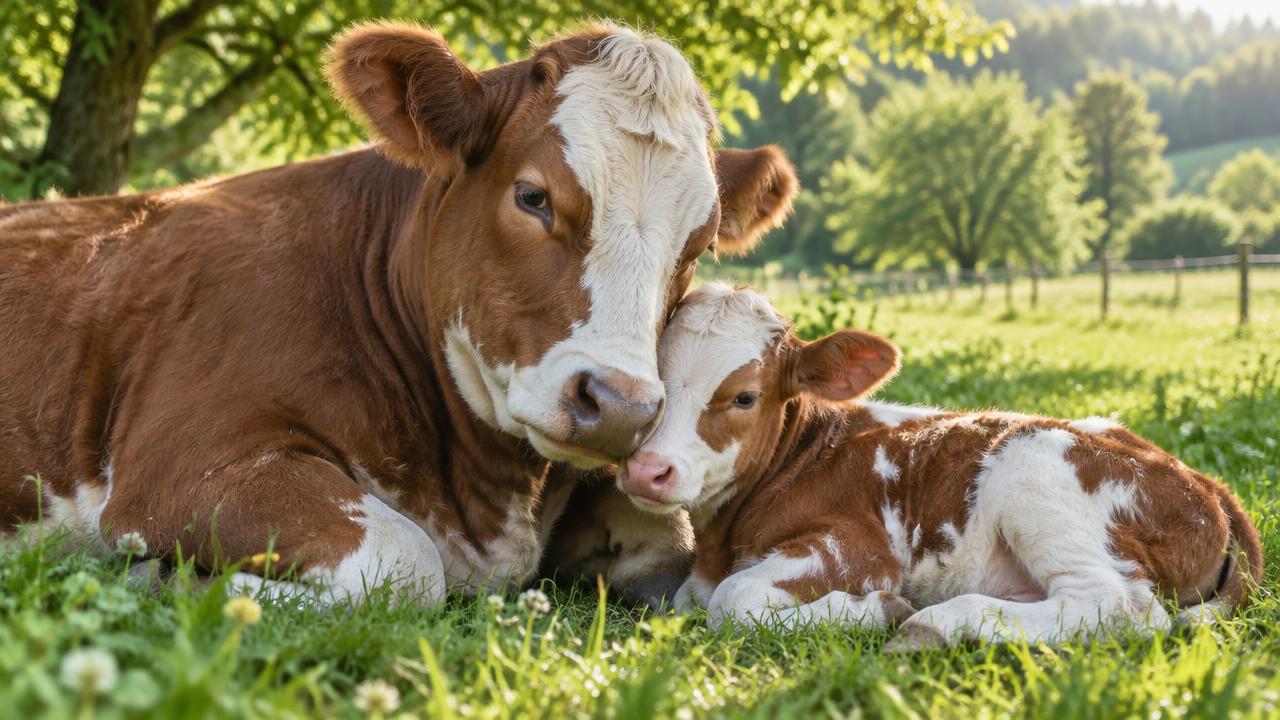
Speak up for animals
Independent, science-led organisations working on farmed animals, wildlife and companion animals.

Cut your climate footprint
Household actions with the strongest evidence base, from IPCC and peer-reviewed research.
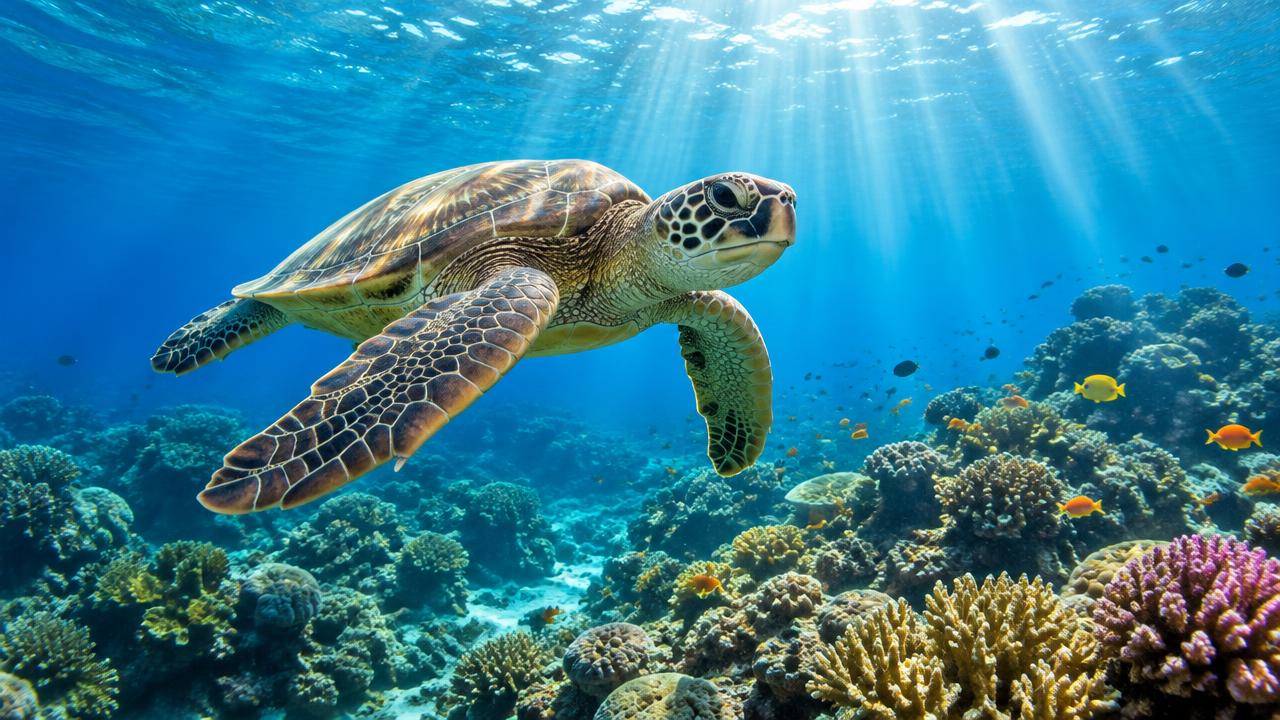
Protect wildlife and oceans
Habitat loss and overfishing are two of the biggest drivers of the biodiversity crisis.

Waste less, buy better
Zero-waste and ethical-fashion resources from independent nonprofits.
Keep learning
Our reporting on animal rights and factory farming goes deeper on everything above.

本页面是一份行动目录,所列事项都能切实改善动物处境、气候状况以及你自身的健康——排序原则是低投入、高频次的行为优先。这里不是一面承诺墙。每一条都说明了该行动的作用、大致需要花费的时间或金钱,以及去哪里实际执行。
此处链接的组织均独立于VegEco。我们不收取任何费用、联盟佣金或排位费,一旦某组织停止发布成果数据或项目终止,我们会立即将其移除。
从频率入手,而非强度
饮食改变遵循与其他习惯相同的算术逻辑:每周坚持十一次的小调整,胜过三月就放弃的宏大承诺。替换日常饮食中碳足迹最高的品类——牛肉、羊肉、奶制奶酪——在饮食完全转向植物基之前,就能实现大部分减排效果,而且无需重新学习烹饪方式。从你本来就喜欢的菜肴出发,而不是从陌生的食谱开始。
个人行动与结构性行动的交叉点
个人消费与政策并非两种相互竞争的改变理论,它们作用于不同的时间尺度。个人需求的变化会改变零售商的进货和餐饮机构的招标,进而改变那些从未主动做选择的人的默认选项。制度性诉求——比如在学校、职场或医院菜单中设置植物基默认选项——每小时的努力能触达成百上千人,这正是它们虽不如个人承诺显眼却排在列表前列的原因。
有效捐赠与志愿服务
不同动物保护组织之间,每英镑或每小时的投入产出差异可达数量级,主要取决于某项干预能覆盖多少动物以及该领域被忽视的程度。企业福利倡导、无笼养殖落实和替代蛋白研究历来能很好地吸收额外资金。捐赠前,请确认该组织发布的是成果数据而非仅活动统计,并且除非有特殊理由,否则优先选择非限定性捐赠。
按投入与覆盖范围排序的行动
每天更换植物奶
- 投入
- 几分钟,一次性
- 典型覆盖
- 持续,个人
每周三顿植物基晚餐
- 投入
- 低,每周
- 典型覆盖
- 个人及家庭
机构菜单诉求
- 投入
- 一次对话
- 典型覆盖
- 数百份餐食
定期捐赠
- 投入
- 几分钟,一次性
- 典型覆盖
- 视组织而定
本地倡导活动
- 投入
- 数小时,持续
- 典型覆盖
- 政策层面,缓慢
FAQ
- 一个人改变饮食真的有用吗?
- 孤立来看,减排效果很小;但累积起来就不可忽视,而且需求信号到达零售商和餐饮机构的速度远快于到达政策层面。最站得住脚的说法是:个人改变是必要的、廉价的、立竿见影的,但仅靠它并不足够。
- 单项食物替换中,哪一项影响最大?
- 减少反刍动物肉类和奶制奶酪,因为这两类在所有常见食物中每份的碳排放和土地占用最高。如果关注动物数量而非碳排放,减少鸡肉和鸡蛋每公斤能拯救更多个体动物。
- 如何在各组织之间做选择?
- 寻找发布成果而非活动数据的组织,看其是否有清晰的理论变革路径、是否在受忽视的领域开展工作、是否有吸纳更多资金的空间。公开评估动物慈善机构的第三方评价平台是合理的起点。
- 你们从本页面的链接中获利吗?
- 不获利。VegEco全站没有任何联盟链接、赞助或付费排位,本目录也不例外。