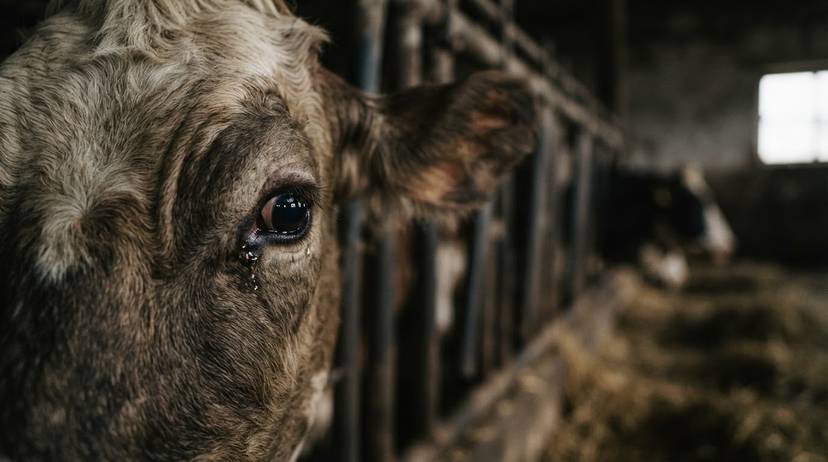
Bò Sữa: Tổn Thương và Bi Kịch Đằng Sau Ly Sữa Đạm Bạc
Khám phá cuộc sống bi thảm của bò sữa trong ngành công nghiệp sữa, từ nhận thức tinh vi đến sự đau khổ kéo dài và cách chúng ta có thể tạo ra sự khác biệt.
8 phút đọc
Food & Nutrition
Oat milk is the fastest-growing plant milk in most Western markets, and it is usually the first swap people make. This comparison sets it side by side with cow's milk across the questions that actually decide whether a swap sticks: how it tastes in coffee, what it costs, what it does nutritionally, and what each option means for land, water and farmed animals.
| Criterion | Oat milk | Dairy milk |
|---|---|---|
| Protein | Naturally low; look for fortified or pea-blended versions if milk is a protein source in your diet. | Higher protein per glass, which is why it is often used as a default in children's diets. |
| Micronutrients | Fortification-dependent: check for calcium, B12, vitamin D and iodine on the label. | Naturally provides calcium, B12 and iodine without fortification. |
| In coffee | Barista formulations steam and foam reliably and do not curdle in acidic coffee. | The reference texture most baristas are trained on. |
| Land and water footprint | Substantially lower land use and freshwater demand than dairy in published life-cycle studies. | Higher land use, freshwater demand and greenhouse-gas intensity per litre. |
| Animals | No animals involved. | Depends on repeated pregnancy, calf separation and the culling of surplus calves and spent cows. |