How to Stop Factory Farming in Andhra Pradesh: 30-Day Action Plan
Learn how to reduce industrial animal agriculture's impact in Andhra Pradesh with a practical 30-day guide covering policy, consumer choices, and activism.
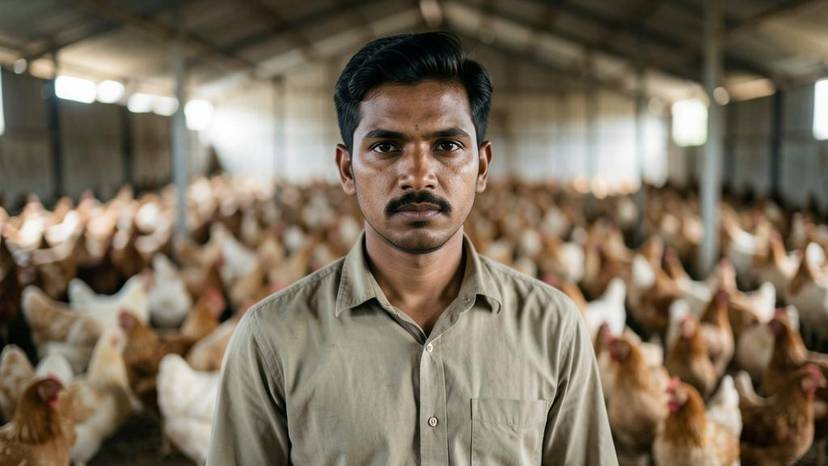
సంక్షిప్త సమాధానం: To stop factory farming in Andhra Pradesh, you need a multi-pronged approach: support and advocate for stronger animal welfare laws, reduce demand for factory-farmed products by shifting to plant-based diets, expose industry practices through media and education, and back local organizations working on the ground. This 30-day plan gives you specific, actionable steps to make a tangible difference.
Factory farming, also known as industrial animal agriculture, is a system where thousands of animals — chickens, pigs, and cows — are confined in crowded, unsanitary conditions. In Andhra Pradesh, the poultry industry has grown rapidly, with over 1.2 billion broiler chickens produced annually (State Animal Husbandry Department, 2024). These animals suffer from extreme stress, disease, and painful procedures like debeaking without anesthesia. The environmental toll is equally severe: water pollution from waste runoff, greenhouse gas emissions, and deforestation for feed crops.
Step 1: Educate Yourself on Factory Farming Realities in Andhra Pradesh
Before you can advocate effectively, you need a solid understanding of what factory farming looks like in your region. In Andhra Pradesh, the majority of factory farms are poultry operations, but there are also piggeries and dairy farms that use intensive methods. Learn about common practices: battery cages for hens, gestation crates for sows, and forced moulting. Understand the health risks: antibiotic resistance, zoonotic diseases, and air pollution.
Start by reading reports from organizations like the Animal Welfare Board of India (AWBI) and the Federation of Indian Animal Protection Organisations (FIAPO). Data from the FAO (2023) shows that India's livestock sector contributes 14.5% of total greenhouse gas emissions from agriculture. This knowledge will arm you with facts for conversations and campaigns.
30-Day Learning Checklist
- ✓Read 'The Ethics of What We Eat' by Peter Singer and Jim Mason
- ✓Watch 'Dominion' documentary with subtitles in Telugu
- ✓Follow AWBI and FIAPO on social media for updates
- ✓Visit a factory farm or slaughterhouse if possible (with permission)
- ✓Note down 10 key statistics about animal suffering and environmental impact
Step 2: Support Policy Bans on Cruel Practices
Advocating for legal bans is one of the most effective ways to stop factory farming. In India, several states have banned certain practices, but Andhra Pradesh lags behind. For example, the Prevention of Cruelty to Animals Act, 1960, exists but is poorly enforced. Push for a ban on battery cages and gestation crates in the state. You can write to your local MLA and the Chief Minister, sign petitions, and join campaigns by animal rights groups.
In 2023, the European Union voted to ban battery cages for hens by 2027, showing that change is possible. In India, the AWBI issued a directive in 2022 to states to ban these cages, but compliance is low. Use your voice to demand action. For example, the 'Cage-Free India' campaign by Humane Society International (HSI) has successfully influenced several companies to commit to cage-free eggs — pressure them to do the same in Andhra Pradesh.
“Every time a citizen writes to a legislator about factory farming, we move one step closer to a ban. Voice is the cheapest and most powerful tool we have.”
How to Write an Effective Letter to Your MLA
Use a formal format, address it to your MLA by name, and cite specific issues like the need to enforce the AWBI directive. Mention that factory farming contributes to air and water pollution in your constituency. Send it via email and post, and follow up with a phone call to their office.
Step 3: Shift Your Diet to Plant-Based Foods
Your daily food choices directly impact the demand for factory-farmed animal products. In Andhra Pradesh, a traditional diet often includes meat and dairy, but there are delicious plant-based alternatives. Rice, lentils (pappu), vegetables, and fruits are staples. By reducing meat consumption, you reduce the profitability of factory farms. You don't have to go vegan overnight — start with Meatless Mondays or replace one meal a day with a plant-based option.
The cost of a plant-based meal in Andhra Pradesh is often lower than a meat-based one. A plate of pappu (lentil curry), rice, and vegetables costs around ₹50, while a chicken curry meal costs ₹120 or more (local market survey, 2024). This saving can be redirected to support animal welfare causes. Additionally, plant-based diets are linked to lower risk of heart disease and diabetes, according to the Indian Council of Medical Research (ICMR, 2023).
| Food Category | Weekly Cost (₹) | Environmental Impact (CO2e per kg) | Animal Suffering Index |
|---|---|---|---|
| Factory-farmed chicken | ₹450 | 6.9 kg | High |
| Free-range chicken (rare) | ₹750 | 4.5 kg | Medium |
| Plant-based protein (lentils, tofu) | ₹250 | 0.9 kg | None |
| Dairy milk (factory-farmed) | ₹180 | 3.2 kg | Medium |
| Soy milk (local) | ₹200 | 1.0 kg | None |
Try Andhra-Style Vegan Recipes
Incorporate local dishes like Gutti Vankaya Kura (stuffed brinjal) without ghee, or Pesarattu (green gram dosa) with no butter. Use coconut milk instead of dairy in curries. These dishes are traditional, affordable, and completely plant-based.
Step 4: Expose Factory Farming Through Media and Education
Many consumers in Andhra Pradesh are unaware of the realities of factory farming. Use social media, YouTube, and community meetings to share undercover footage, documentaries, and articles. Organize screenings of 'Cowspiracy' or 'Dominion' with Telugu subtitles. Collaborate with local colleges to host talks on the ethical and environmental impacts of industrial animal agriculture.
According to a 2024 survey by the Center for Consumer Action (CCA), 68% of urban Andhra Pradesh residents said they would reduce meat consumption if they knew about farm conditions. This indicates that awareness is a powerful tool. Share a post, write a blog, or start a WhatsApp group to spread information among friends and family.
Step 5: Join or Support Animal Welfare Organizations Locally
There are several groups working on animal protection in Andhra Pradesh. Join the Visakhapatnam Animal Welfare Society (VAWS) or the Hyderabad-based 'People for Animals' (PFA) chapter. Volunteer your time, donate money, or help with rescue operations. These organizations often conduct investigations and lobby for policy changes. Your support can help them expand their reach.
If you can't volunteer, even a monthly donation of ₹500 can help fund a rescue or an awareness campaign. Many groups are underfunded and rely on public support. For example, the 'Animal Rescue Trust' in Vijayawada has a helpline for injured animals but needs more volunteers to respond to calls.
“We need every voice. Whether you're a student, a parent, or a retiree, there's a role for you in our movement.”
Step 6: Use Economic Pressure to Shift Market Practices
Consumers have power. In 2024, after a campaign by HSI India, several poultry companies in Andhra Pradesh announced commitments to move to cage-free production by 2026. You can accelerate this by demanding cage-free products in supermarkets and restaurants. Ask for transparency about sourcing. Write to companies like Venkateshwara Hatcheries (Venky's) and Suguna Foods to adopt higher welfare standards.
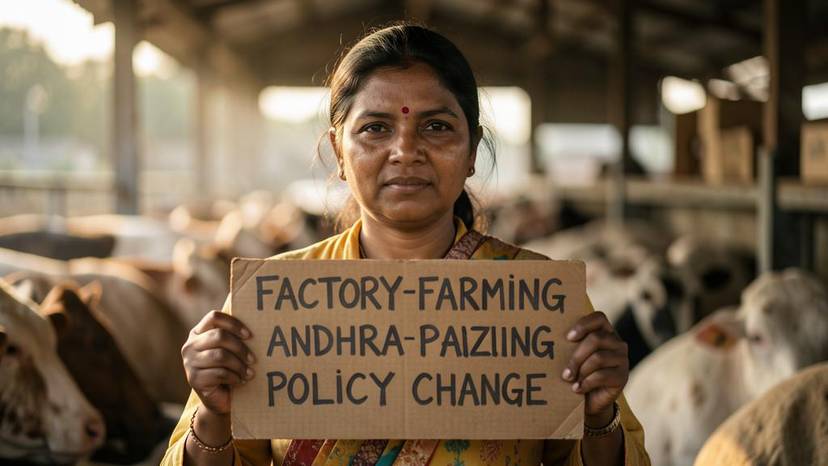
You can also invest in plant-based businesses or start your own. The plant-based meat market in India is growing at 15% annually (Good Food Institute India, 2025). Supporting these companies creates a market shift away from factory farming. Even small actions like choosing soy-based nuggets over chicken nuggets make a difference.
Growth of Plant-Based Meat Sales in India (₹ crore)
Step 7: Advocate for Better Regulation and Enforcement
India has laws like the Prevention of Cruelty to Animals Act, 1960, and the Food Safety and Standards Authority of India (FSSAI) regulates food labeling. But enforcement is weak. Push for stricter inspections of slaughterhouses and farms. Petition the Andhra Pradesh Pollution Control Board to monitor waste disposal. Report violations to the police under the existing laws.
You can also support the proposed 'Animal Welfare Act' which aims to replace the outdated 1960 law. Write to your MP to pass it. In 2024, the FSSAI proposed mandatory labeling of meat products with 'factory-farmed' or 'free-range' — support this initiative by submitting public comments. This transparency helps consumers make ethical choices.
Step 8: Engage with Community and Religious Leaders
In Andhra Pradesh, culture and religion play a significant role in food choices. Engage with temple priests, mosque imams, and church leaders to discuss the ethics of factory farming. Many religious traditions emphasize compassion for animals. For example, Jainism and Buddhism strongly advocate non-violence. By framing factory farming as a moral issue, you can influence community norms.
Organize village-level meetings with the help of local NGOs. Show them how factory farming pollutes local water sources and harms human health. Use examples like the recent outbreak of bird flu in 2023 that led to the culling of 40,000 chickens in Nellore, showing the risks of intensive farming (AP Animal Husbandry Dept., 2023).
Step 9: Monitor Progress and Celebrate Wins
Keep track of your efforts and the changes you see. Maintain a journal or spreadsheet of your actions, such as letters sent, meetings attended, and people educated. Celebrate small victories, like a local restaurant adding a vegan option or a neighbor committing to Meatless Mondays. This keeps you motivated and provides evidence for future campaigns.
| Week | Action | Time Commitment | Cost (₹) |
|---|---|---|---|
| Week 1 | Learn about factory farming | 1 hour/day | 0 |
| Week 2 | Write to MLA and sign petitions | 2 hours/week | 0 |
| Week 3 | Start a plant-based diet | Daily | 0-500 |
| Week 4 | Volunteer or donate to animal groups | 3 hours/week | 500-1000 |
Frequently Asked Questions
Is factory farming legal in Andhra Pradesh?
Yes, but it is regulated under the Prevention of Cruelty to Animals Act, 1960. However, enforcement is weak, and many farms operate without proper licenses. You can report violations to the AWBI or local police.
How much does a plant-based diet cost in Andhra Pradesh?
A plant-based diet is often cheaper. A week of lentil and vegetable meals costs around ₹250 per person, while a meat-based diet costs ₹450 or more (2025 market data). So you can save money while helping animals.
What are the main animal welfare issues in Andhra Pradesh factory farms?
Key issues include battery cages for hens, debeaking, overcrowding, and lack of veterinary care. These practices cause severe physical and psychological suffering. According to FIAPO (2024), over 90% of eggs in Andhra Pradesh come from caged hens.
Can I make a difference as an individual?
Absolutely. Individual actions collectively create market and political pressure. One person can influence dozens through their choices and advocacy. Even a single letter to an MLA has led to policy changes in other states.
Are there any local organizations I can join?
Yes, groups like PFA Hyderabad, VAWS Visakhapatnam, and the Animal Rescue Trust in Vijayawada are active. They need volunteers for rescues, campaigns, and administrative work. Contact them via their websites or social media.
Key Takeaways
- Educate yourself on factory farming's cruelty and environmental impact
- Advocate for state-wide bans on battery cages and gestation crates
- Adopt a plant-based diet to reduce demand
- Use media to expose industry practices in Telugu
- Join or donate to local animal welfare organizations
- Push for stronger enforcement of animal protection laws
- Engage religious and community leaders in dialogue
సంబంధిత అంశాలు
సంబంధిత

అభివృద్ధి చెందిన చికెన్ను FDA మరియు USDA ఎందుకు ఆమోదించాయి? అంతా తెలుసుకోండి
అభివృద్ధి చెందిన చికెన్ ఉత్పత్తి, దాని నియంత్రణ, భద్రత, పర్యావరణ ప్రభావం, మరియు భవిష్యత్ గురించి తెలుసుకోవడానికి FDA మరియు USDA ఆమోదం ఎందుకు కీలకమో ఈ కథనం వివరిస్తుంది.
5 నిమి. చదువు
పశువులలో కృత్రిమ గర్భధారణ: తెలంగాణ పాడి పరిశ్రమలో సమస్యలు, పరిష్కారాలు
తెలంగాణ పాడి పరిశ్రమలో కృత్రిమ గర్భధారణ పద్ధతుల వల్ల ఎదురయ్యే నైతిక, పర్యావరణ సమస్యలను, అలాగే వాటికి సంబంధించిన పరిష్కారాలను ఈ కథనం వివరిస్తుంది.
4 నిమి. చదువు
హైదరాబాద్లో ఉత్తమ వేగన్ రెస్టారెంట్లు: స్థానికుల గైడ్ 2024
హైదరాబాద్, స్థానికంగా బహుళ-కేంద్రీకృత జీవనశైలికి ప్రసిద్ధి చెందిన నగరం, ఇప్పుడు పెరుగుతున్న వేగన్ రెస్టారెంట్లతో మెరుస్తోంది, ఇవి మొక్కల ఆధారిత వంటకాలను అద్భుతంగా అందిస్తాయి.
7 నిమి. చదువు