How to Start a Plastic Mukt Bharat Zero-Waste Kitchen in 30 Days
A step-by-step 30-day guide to building a plastic mukt Bharat kitchen with zero-waste swaps, composting, and package-free shopping in Punjab.
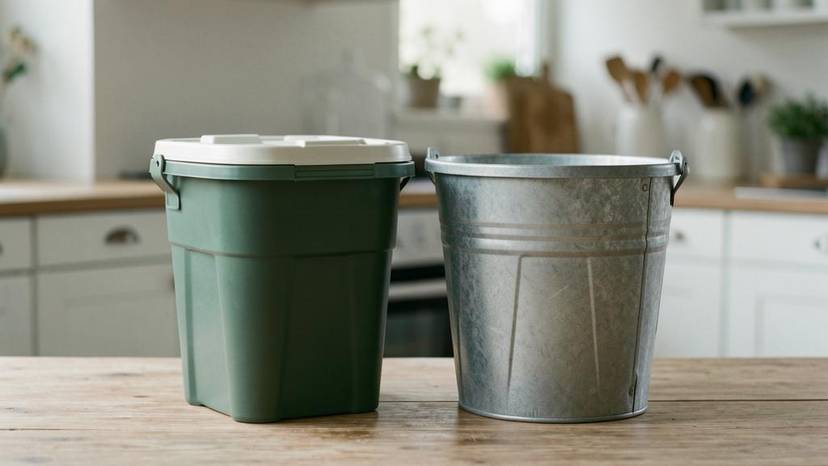
**Short answer:** To start a plastic mukt Bharat zero-waste kitchen in 30 days, begin by auditing your plastic use, replace single-use items with reusable alternatives, switch to package-free shopping at local mandis, and set up a home composting system for organic waste. This guide provides a step-by-step plan with local Punjab resources, costs, and troubleshooting to help you reduce plastic and food waste effectively.
Why Your Kitchen Is the Frontline of Plastic Mukt Bharat
India generates over 3.5 million tonnes of plastic waste annually, with kitchens contributing significantly through packaging, single-use bags, and food wrappers (CPCB, 2023). In Punjab, the state government has banned single-use plastics under the Plastic Waste Management Rules, 2016, but enforcement remains inconsistent. Your kitchen, however, is where you have direct control—every swap you make reduces demand for virgin plastic and lowers your environmental footprint.
Beyond plastic, food waste in Indian households averages about 50 kg per person per year, much of which ends up in landfills, emitting methane—a greenhouse gas 28 times more potent than CO2 (FAO, 2024). By tackling both plastic and organic waste, you address climate change, wildlife protection, and resource conservation simultaneously. Animals, too, suffer from plastic pollution: marine creatures ingest microplastics, and terrestrial wildlife gets entangled in waste. A plastic mukt kitchen is a direct act of compassion.
| Plastic Item | Common Use | Zero-Waste Alternative | Cost (₹) |
|---|---|---|---|
| Plastic bags | Grocery shopping | Cloth bags or jute bags | ₹50-100 |
| Plastic wrap | Covering food | Beeswax wraps or steel containers | ₹200-400 |
| Plastic bottles | Oil, vinegar, sauces | Glass bottles, refillable | ₹150-300 |
| Plastic cutlery | Takeaway | Steel or bamboo cutlery | ₹100-200 |
| Plastic containers | Storage | Glass or steel containers | ₹300-500 |
| Tea bags (plastic) | Beverages | Loose tea with steel strainer | ₹100-200 |
Step 1: Audit Your Kitchen's Plastic Footprint (Days 1-3)
Start by collecting all plastic items in your kitchen—bags, bottles, containers, wrappers—and categorize them into single-use and reusable. Note how many items you discard weekly. This audit, as recommended by zero-waste expert Bea Johnson, helps you identify the biggest sources of plastic waste and prioritize swaps. For a Punjabi household, common culprits include plastic bags from sabzi mandi, plastic pouches for spices, and cling film for rotis.
Example: A family in Ludhiana found they used 15 plastic bags per week from vegetable shopping, 10 plastic spice pouches monthly, and 5 plastic water bottles daily. By switching to cloth bags and bulk buying, they cut plastic waste by 70% in the first month.
What Counts as Single-Use Plastic?
Single-use plastics are items designed to be used once and then discarded, such as straws, cutlery, plates, and packaging. Under India's Plastic Waste Management Amendment Rules, 2021, many of these are banned, but they still appear in markets. Knowing what to avoid helps you make informed choices.
Step 2: Replace Single-Use Plastics with Reusable Alternatives (Days 4-10)
Invest in a starter kit of reusable items: cloth bags, steel containers, glass jars, bamboo cutlery, and stainless steel water bottles. In Punjab, you can find affordable options at local markets like Chaura Bazaar in Ludhiana or online platforms like EcoSattva. Budget for around ₹1,000-2,000 for a basic kit, which pays for itself within months as you stop buying disposables.
Example: Instead of buying plastic-packaged yogurt, make dahi at home in a steel bowl and store it in glass jars. Replace plastic-wrapped paneer with homemade paneer using a muslin cloth and steel pot. These swaps are not only plastic-free but also healthier and tastier.
Zero-Waste Kitchen Starter Kit Checklist
- ✓Cloth bags (at least 5) for grocery shopping
- ✓Steel containers (various sizes) for storage
- ✓Glass jars for dry goods like dal, flour, spices
- ✓Bamboo or steel cutlery for takeaway
- ✓Stainless steel water bottle
- ✓Beeswax wraps or reusable silicone lids
- ✓Compost bin (terracotta or plastic-free)
- ✓Cloth napkins instead of paper towels
Step 3: Master Package-Free Shopping at Local Mandis (Days 11-15)
Punjab's vegetable mandis and grain markets are natural zero-waste hubs—you can buy fresh produce without packaging if you bring your own bags. For dry goods like lentils, rice, and spices, look for bulk stores or shops that allow you to fill your own containers. In Ludhiana, the Grain Market offers bulk purchasing, and some organic stores like 'Kisaan' allow refills.
Example: At a sabzi mandi, hand over your cloth bag to the vendor and ask them to place vegetables directly in it, avoiding the plastic bag. For spices, buy from local kirana stores that sell loose spices—bring small glass jars and ask the shopkeeper to weigh and fill them. This practice, common in India's traditional markets, reduces packaging waste significantly.
Step 4: Set Up a Home Composting System (Days 16-20)
Organic waste—vegetable peels, fruit scraps, tea leaves, and eggshells—makes up about 50% of household waste in India. Composting converts this into nutrient-rich soil for your garden, preventing methane emissions from landfills. A simple terracotta compost bin or a DIY bucket system works well in Punjabi households, and you can use the compost for your balcony plants or kitchen garden.
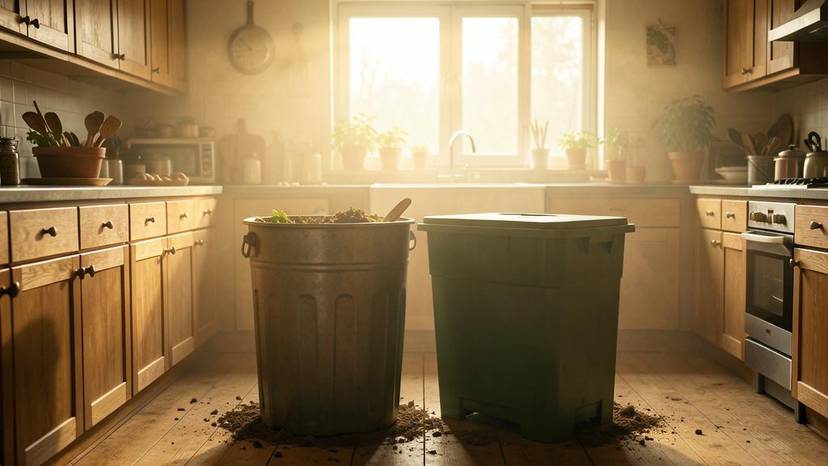
Example: The 'Terracotta Compost Pot' by Daily Dump, available online for about ₹1,200, is a popular choice in Indian cities. It has a natural clay design that allows aeration and drainage, producing compost in 4-6 weeks. Alternatively, you can make a compost bin from a large steel drum with holes drilled in the bottom for airflow.
Household Waste Composition in India (2023)
How to Compost Without Smell or Pests
To avoid odors and pests, balance green (nitrogen-rich) and brown (carbon-rich) materials. Add dry leaves, straw, or shredded paper to absorb moisture and reduce smell. Keep the compost bin covered but ventilated, and avoid adding cooked food, dairy, or meat, as these attract pests.
Step 5: Adopt a Circular Kitchen Mindset (Days 21-25)
A circular kitchen goes beyond waste reduction—it emphasizes reuse, repair, and regeneration. This means repairing appliances instead of replacing them, using every part of vegetables (like broccoli stems and carrot tops in soups), and growing herbs like coriander and mint at home to avoid plastic-packaged fresh herbs. This mindset aligns with the principles of a plastic mukt bharat, reducing resource extraction and pollution.
Example: In Punjab, many households make 'sarson da saag' with the entire plant, using stems and leaves. Similarly, you can use vegetable peels to make vegetable broth, reducing waste and adding flavor. Repairing a pressure cooker instead of buying a new one saves money and reduces plastic packaging from new products.
“A zero-waste kitchen is not about perfection—it's about making conscious choices that reduce harm to animals, the planet, and future generations.”
Step 6: Navigate Municipal Waste Policies in Punjab (Days 26-28)
Punjab's municipal corporations, such as in Ludhiana and Amritsar, are implementing waste segregation rules under the Solid Waste Management Rules, 2016. Many cities now have separate collection for wet and dry waste. Familiarize yourself with your local waste collection schedule and segregation guidelines to ensure your kitchen waste goes to the right place. Some areas also have community composting centers where you can drop off organic waste.
Example: In Ludhiana, the Municipal Corporation has introduced 'Green Bin' for wet waste and 'Blue Bin' for dry waste. If your area lacks such a system, advocate for it by contacting your local councillor or joining citizen groups like 'Ludhiana Clean City' that push for better waste management.
Step 7: Sustain Your Zero-Waste Kitchen Beyond 30 Days (Days 29-30)
The final step is to make your zero-waste habits permanent. Track your progress, celebrate milestones, and share your journey with family and friends. Join online communities like 'Zero Waste India' on Facebook or WhatsApp groups to exchange tips and resources. Remember that every plastic item avoided is a step toward a cleaner environment for wildlife and humans alike.
Example: Create a 'plastic mukt bharat' journal to log your swaps and savings. After 30 days, review what worked and what didn't, then adjust your approach. For instance, if you found it hard to avoid plastic-packaged snacks, learn to make homemade snacks like mathri or roasted chana instead.
Frequently Asked Questions (FAQ)
Is a zero-waste kitchen expensive to set up in Punjab?
No, it can be budget-friendly. A basic starter kit of cloth bags, steel containers, and glass jars costs around ₹1,000-2,000, but you can reuse items you already have. For example, old glass jars from pickles can be cleaned and used for storage. Over time, you save money by buying in bulk and avoiding disposable products.
How do I handle plastic waste that cannot be avoided?
For unavoidable plastic, such as medicine blister packs or seals, ensure they go to proper recycling or waste-to-energy facilities. Many supermarkets in Punjab now have collection bins for plastic bags and wrappers. You can also participate in local 'plastic collection drives' organized by NGOs.
What if I live in an apartment without a garden?
You can still compost using a small indoor compost bin like a Bokashi system or a worm bin (vermicomposting). These are compact and odor-free when maintained properly. Alternatively, find a community compost drop-off point in your city or a neighbor with a garden willing to take your organic waste.
Are there any government incentives for zero-waste kitchens in India?
Some municipalities offer subsidies or rebates for composting, but these vary. Under the Swachh Bharat Mission, many cities have provided free or subsidized compost bins to households. Check with your local municipal corporation for available programs.
How can I convince my family to adopt zero-waste habits?
Lead by example and involve them in the process. Show them the financial savings and the environmental benefits—like saving wildlife from plastic pollution. Start with small, easy changes like using cloth bags for shopping and gradually introduce composting. Celebrate successes together to build momentum.
What is the biggest challenge in starting a zero-waste kitchen?
The biggest challenge is changing habits and navigating a system where plastic is ubiquitous. However, with a clear plan, support from local communities, and a focus on progress over perfection, you can overcome these hurdles. Remember, every small step counts.
Key Takeaways
- Audit your plastic use to identify the biggest sources.
- Replace single-use plastics with affordable reusables.
- Shop at local mandis and bulk stores with your own containers.
- Compost organic waste to reduce landfill methane.
- Stay informed about local waste policies and advocate for better systems.
| Days | Activity | Tools Needed | Estimated Cost (₹) |
|---|---|---|---|
| 1-3 | Plastic audit | Notebook, camera | Free |
| 4-10 | Buy reusable alternatives | Cloth bags, steel containers | ₹1,000-2,000 |
| 11-15 | Try package-free shopping | Cloth bags, glass jars | ₹0-500 |
| 16-20 | Set up compost bin | Terracotta or steel bin | ₹500-1,200 |
| 21-25 | Circular kitchen habits | Vegetable peels, jars | Free |
| 26-28 | Learn local waste policies | Internet, phone | Free |
| 29-30 | Review and adjust | Journal | Free |
Troubleshooting Common Zero-Waste Kitchen Challenges
If you encounter issues like fruit flies in your compost bin, add more brown materials like dried leaves or paper. If cloth bags become dirty, wash them regularly with soap and water. For stubborn plastic packaging, look for brands that use eco-friendly materials, or write to manufacturers to request alternatives. Remember, persistence and creativity are key.
In case your local market doesn't allow container refills, join forces with neighbors to request bulk buying options or start a community buying group. Online platforms like 'Bulk Barn India' offer package-free dry goods delivered to your door in compostable packaging.
ਸੰਬੰਧਿਤ ਵਿਸ਼ੇ
ਸੰਬੰਧਿਤ ਪੜ੍ਹਾਈ
ਕੀ ਪਲਾਸਟਿਕ ਮੁਕਤ ਭਾਰਤ ਸੱਚਮੁੱਚ ਕੰਮ ਕਰ ਰਿਹਾ ਹੈ? ਤੱਥ-ਜਾਂਚ 2026
ਪਲਾਸਟਿਕ ਮੁਕਤ ਭਾਰਤ ਅਭਿਆਨ ਦੇ ਦਾਅਵਿਆਂ ਦੀ ਜਾਂਚ ਕਰਦੇ ਹਾਂ: ਕੀ ਸਿੰਗਲ-ਯੂਜ਼ ਪਲਾਸਟਿਕ ਬੈਨ ਨੇ ਸੱਚਮੁੱਚ ਕੂੜਾ ਘਟਾਇਆ ਹੈ, ਜਾਂ ਇਹ ਸਿਰਫ਼ ਇੱਕ ਨਾਅਰਾ ਹੈ? ਅਸਲ ਅੰਕੜੇ ਅਤੇ ਹੱਲ।
8 ਮਿੰਟ ਪੜ੍ਹਨਾ
ਪਲਾਸਟਿਕ ਮੁਕਤ ਭਾਰਤ: ਕੱਪੜੇ ਦੇ ਥੈਲੇ ਬਨਾਮ ਪੇਪਰ ਬੈਗ — ਕਿਹੜਾ ਸੱਚਮੁੱਚ ਵਾਤਾਵਰਣ-ਅਨੁਕੂਲ ਹੈ?
ਪਲਾਸਟਿਕ ਮੁਕਤ ਭਾਰਤ ਦੇ ਟੀਚੇ ਲਈ ਕਪਾਹ ਦੇ ਥੈਲੇ ਅਤੇ ਪੇਪਰ ਬੈਗ ਦੀ ਤੁਲਨਾ — ਕੀਮਤ, ਟਿਕਾਊਪਣ, ਪਾਣੀ ਦੀ ਵਰਤੋਂ ਅਤੇ ਜਾਨਵਰਾਂ 'ਤੇ ਅਸਰ ਦੇ ਆਧਾਰ 'ਤੇ ਸਹੀ ਚੋਣ ਕਰੋ।
6 ਮਿੰਟ ਪੜ੍ਹਨਾ
ਜ਼ੀਰੋ-ਵੇਸਟ ਬਨਾਮ ਰੀਸਾਈਕਲਿੰਗ: ਪੰਜਾਬ 2026 ਵਿੱਚ ਕਿਹੜਾ ਅਸਲ ਵਿੱਚ ਕੰਮ ਕਰਦਾ ਹੈ?
ਜ਼ੀਰੋ-ਵੇਸਟ ਜੀਵਨ ਅਤੇ ਰੀਸਾਈਕਲਿੰਗ ਵਿੱਚੋਂ ਕਿਹੜਾ ਤਰੀਕਾ ਪੰਜਾਬ ਦੇ ਕੂੜੇ ਦੇ ਸੰਕਟ ਨੂੰ ਸੱਚਮੁੱਚ ਹੱਲ ਕਰ ਸਕਦਾ ਹੈ — ਇੱਕ ਤੁਲਨਾਤਮਕ ਵਿਸ਼ਲੇਸ਼ਣ ਜੋ ਪੈਸੇ, ਸਮੇਂ ਅਤੇ ਵਾਤਾਵਰਨ ਪ੍ਰਭਾਵ ਨੂੰ ਮਾਪਦਾ ਹੈ।
6 ਮਿੰਟ ਪੜ੍ਹਨਾ