How to Talk to Kids About Animals and Food: A Parent's Compassion Guide
A trauma-free, age-by-age script for Punjabi parents to explain where meat and dairy come from, nurture empathy, and handle family pushback with kindness and facts.
**Short answer:** Kids as young as three begin to connect animals with food, and by age seven they often ask tough questions like "Why do we eat the cow?" or "Does the chicken feel pain?" The key is to use age-appropriate language that is honest but not graphic, focus on empathy rather than fear, and give children a sense of agency through choices like plant-based meals. This guide provides scripts for ages 3-6, 7-10, and 11-14, plus nutrition basics, book recommendations, and ways to handle pushback from family and school — all rooted in compassion and facts.
What Kids Already Know About Animals and Food
Children in Punjab grow up surrounded by animals — cows on the road, goats in villages, and chickens in markets. They also see meat and dairy on the family table. According to a 2023 survey by the Animal Welfare Board of India, over 70% of urban Indian children aged 6-10 have witnessed a live animal being transported for slaughter, often without any adult explanation. This gap between what they see and what they are told creates confusion and, sometimes, distress.
Developmental psychologist Dr. Radhika Menon from the National Institute of Mental Health and Neurosciences (NIMHANS) notes that children naturally empathize with animals. "A child who cries when a puppy is hurt is not being dramatic; they are showing moral sensitivity," she says. "If we don't address their questions, they may either suppress that empathy or become anxious. The goal is to channel it into positive action."
By age 4, most kids understand that animals are living beings. By age 6, they grasp the concept of death, and by age 8, they can understand that animals have feelings and needs. A 2024 study in the journal *Child Development* found that children who discussed where food comes from with parents were more likely to choose plant-based options and showed higher empathy scores later in life.
Age-Appropriate Scripts: 3-6, 7-10, and 11-14 Years
Every child is different, but these scripts offer a starting point. The golden rule: never lie, but never overwhelm. For young children, keep it simple and hopeful. For tweens, add facts and encourage critical thinking. Always end with a positive message about what we can do to help animals.
| Age Group | What to Say | What to Avoid |
|---|---|---|
| 3-6 years | "Cows are gentle animals. They love their babies, just like I love you. We can drink plant milk instead of cow's milk — it's yummy and kind." | Graphic details about slaughter or veal crates. |
| 7-10 years | "Some people eat animals, but animals don't want to die. They feel pain and fear. We choose not to eat them because we care. Here are tasty alternatives we can try." | Lecturing or shaming relatives who eat meat. |
| 11-14 years | "The dairy and meat industries often treat animals cruelly — like keeping hens in tiny cages or separating calves from mothers. You can learn more and decide for yourself. I support you." | Dismissing their questions or forcing a vegan identity. |
Script for Ages 3-6: Simple and Reassuring
When a 4-year-old asks, "Why does that cow look sad?" respond with, "She might miss her baby. Just like you miss your friends when you're apart. We can make sure animals are happy by being kind to them." This builds a foundation of empathy without introducing fear.
Script for Ages 7-10: Introducing Honesty with Hope
At this age, children may encounter classmates eating meat or see a chicken being slaughtered in the market. Use this as a teachable moment: "It's okay to feel sad. Many people don't think about where meat comes from. We can be different — we choose foods that don't hurt animals."
Script for Ages 11-14: Encouraging Critical Thinking
Teens can handle facts about factory farming, such as the 2024 FAO report that 80 billion land animals are slaughtered each year globally. Frame it as an ethical issue: "You can research both sides. If you decide to go plant-based, I'll help you cook." Avoid making them feel guilty about past choices.
Handling School and Family Pushback Without Shame
When grandparents insist on giving your child paneer or a relative mocks a vegan lunch, stay calm. Explain that your family's food choices are based on kindness, not superiority. A 2022 study by ProVeg India found that 64% of Indian parents who adopted plant-based diets faced pressure from extended family, but those who prepared simple responses — like "We're trying it for health and the animals" — reported less conflict.
For school events, pack a special snack that looks similar to what others are eating — like a vegan 'lassi' made with coconut yogurt or a 'paneer' dish made from tofu. This normalizes plant-based eating. If a teacher asks, offer to give a short talk about animal kindness; many schools in Punjab are open to such sessions, especially since the Punjab State Animal Welfare Policy (2021) encourages humane education in schools.
Books and Shows That Teach Compassion
Recommended books and shows for kids (ages 3-14)
- ✓Book: 'The Cow Who Wouldn't Eat Meat' by R. K. Sharma (available in Punjabi) — a gentle story about a cow who chooses plant foods.
- ✓Book: 'Charlotte's Web' (Punjabi translation) — classic tale of friendship and the value of a pig's life.
- ✓Show: 'The Magic School Bus' episodes on food chains — helps kids understand ecosystems without graphic violence.
- ✓Book: 'Vegan Is Love' by Ruby Roth — visual guide for older kids about animal rights.
- ✓Show: 'Kipo and the Age of Wonderbeasts' (Netflix) — promotes coexistence with animals.
- ✓Book: 'Punjabi Folk Tales of Compassion' — local stories that feature animals as wise beings.
Choose books with positive messages, not scary ones. For toddlers, board books with happy farm animals are perfect. For preteens, documentaries like 'Earthlings' are too graphic; instead, use age-appropriate clips from 'The Animal Welfare Channel' or short videos from Humane Society International that explain farming without gore.
Nutrition Basics: Raising Healthy Plant-Based Kids in Punjab
A well-planned plant-based diet is nutritionally adequate for all ages, according to the Indian Council of Medical Research (ICMR, 2024). Key nutrients to watch: protein, iron, calcium, vitamin B12, and omega-3. In Punjab, you have access to lentils (dal), chickpeas (chana), leafy greens (sarson), and fortified foods that easily meet these needs.

| Nutrient | Why It Matters | Punjabi Plant Sources |
|---|---|---|
| Protein | Growth and muscle repair | Dal, rajma, chole, tofu, peanuts |
| Iron | Oxygen in blood, energy | Spinach (palak), amaranth, jaggery (gur) |
| Calcium | Strong bones and teeth | Ragi, sesame seeds (til), fortified soy milk |
| Vitamin B12 | Nerve function | Fortified plant milks, nutritional yeast, supplements |
| Omega-3 | Brain development | Flaxseeds (alsi), walnuts, chia seeds |
To ensure your child gets enough iron, pair iron-rich foods with vitamin C (like lemon juice on palak). For calcium, make a ragi porridge or add til to rotis. A 2023 study in the *Indian Journal of Pediatrics* found that vegan Punjabi children had similar growth rates to omnivore peers when diets were planned with a pediatric nutritionist.
Frequently Asked Questions
Is it okay to tell my child that meat comes from animals?
Yes, but use developmentally appropriate language. For a 4-year-old, say "Meat comes from animals, but we don't eat it because we love them." For an 8-year-old, you can add "Some families do, but we choose not to." Avoid graphic descriptions of slaughter — the goal is empathy, not trauma.

How do I handle my child being upset after seeing a chicken being killed in the market?
Acknowledge their feelings: "It's sad to see that. You have a big heart." Then redirect to positive action: "We can help by choosing not to eat chicken, and by telling others about kinder options." This turns helplessness into empowerment.
What if my partner or in-laws insist on feeding dairy to my child?
Explain that dairy farming often involves separating calves from mothers, which causes distress to both. Share a plant-based alternative like almond or oat milk. Offer to cook family favorites with these substitutes. If they resist, focus on your child's health and your family's values without judgment.
How can I make sure my child gets enough protein without meat or dairy?
Punjabi cuisine is rich in plant proteins: dal, rajma, chole, and paneer substitutes like tofu. Include a legume at every meal, and pair with grains like roti or rice for complete protein. A 3-year-old needs about 13g protein daily; a cup of dal provides 8g. You can easily meet needs without supplements.
Are there any vegan kids' groups or events in Punjab?
Yes — organizations like Vegan Punjab and the Satvik Society host monthly meetups in Ludhiana and Chandigarh. They organize cooking classes, storytelling for kids, and farm sanctuary visits. Check their Facebook pages for upcoming events. These communities offer support for both you and your child.
What if my child decides to go back to eating meat or dairy?
Respect their autonomy. Gently ask what changed, and share your perspective without pressure. Many children explore and eventually return to plant-based eating. The key is to keep communication open and non-judgmental, so they feel safe discussing their choices with you.
Key Takeaways for Talking to Kids About Animals and Food
Key takeaways
- Kids understand more than we think — start conversations about animals and food by age 3.
- Use age-appropriate scripts: gentle for 3-6, honest for 7-10, and evidence-based for 11-14.
- Handle pushback with a 'kindness phrase' and positive alternatives, not shame.
- A plant-based Punjabi diet can meet all nutritional needs with planning and B12 supplements.
- Books, shows, and local vegan groups provide ongoing support for your family.
ਸੰਬੰਧਿਤ ਵਿਸ਼ੇ
ਸੰਬੰਧਿਤ ਪੜ੍ਹਾਈ
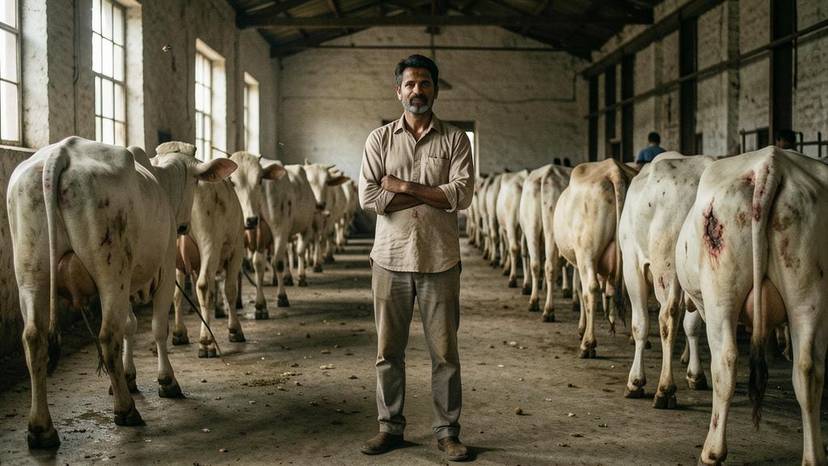
ਡਾਇਰੀ ਫਾਰਮ ਵਿੱਚ ਗੁਪਤ ਵੀਡੀਓ: ਪੰਜਾਬ ਵਿੱਚ ਦੁੱਧ ਉਦਯੋਗ ਦਾ ਕਰੂਰ ਸੱਚ ਅਤੇ ਨੈਤਿਕ ਵਿਕਲਪ
ਇੱਕ ਤਾਜ਼ਾ ਅੰਡਰਕਵਰ ਜਾਂਚ ਨੇ ਪੰਜਾਬ ਦੇ ਡੇਅਰੀ ਫਾਰਮਾਂ ਵਿੱਚ ਗਾਵਾਂ ਦੀ ਦੁਰਦਸ਼ਾ ਦਾ ਪਰਦਾਫਾਸ਼ ਕੀਤਾ ਹੈ; ਇਹ ਲੇਖ ਦੁੱਧ ਉਦਯੋਗ ਦੇ ਕਰੂਰ ਸੱਚ ਅਤੇ ਵੀਗਨ ਵਿਕਲਪਾਂ ਦੀ ਪੜਤਾਲ ਕਰਦਾ ਹੈ।
5 ਮਿੰਟ ਪੜ੍ਹਨਾ

ਪੰਜਾਬ ਵਿੱਚ ਨੈਤਿਕ ਸੈਰ-ਸਪਾਟੇ ਦੀਆਂ 8 ਮਿੱਥਾਂ ਡਿਬੰਕਡ: ਜਾਨਵਰਾਂ ਦੀ ਸੁਰੱਖਿਆ ਦਾ ਅਸਲ ਸੱਚ
ਜਾਣੋ ਪੰਜਾਬ ਵਿੱਚ ਨੈਤਿਕ ਸੈਰ-ਸਪਾਟੇ ਦੀਆਂ ਆਮ ਮਿੱਥਾਂ ਦਾ ਸੱਚ—ਹਾਥੀ ਸਵਾਰੀ ਤੋਂ ਜੰਗਲੀ ਜੀਵ ਸਫਾਰੀ ਤੱਕ—ਅਤੇ ਜਾਨਵਰਾਂ ਦੀ ਭਲਾਈ ਲਈ ਸਹੀ ਫੈਸਲੇ ਕਿਵੇਂ ਲਓ।
6 ਮਿੰਟ ਪੜ੍ਹਨਾ
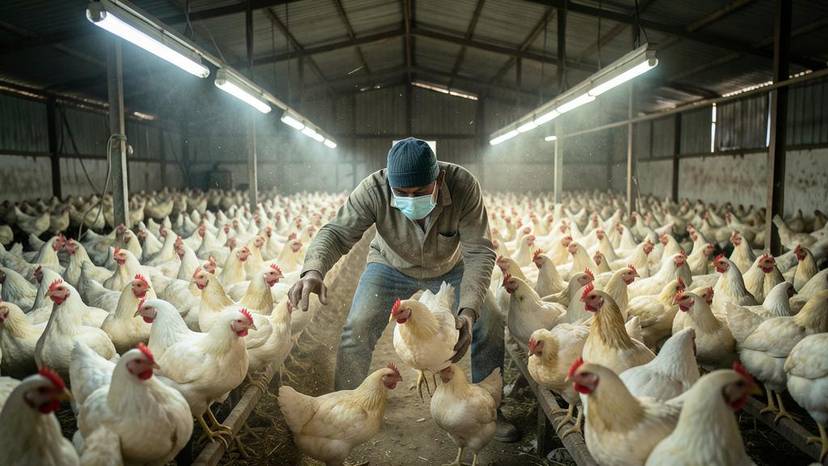
ਚਿਕਨ ਕੈਚਰਾਂ ਦੀ ਸੱਭ ਤੋਂ ਉੱਚੀ ਸੱਟ ਦਰ: ਫੈਕਟਰੀ ਫਾਰਮਿੰਗ ਦਾ ਲੁਕਿਆ ਸੰਕਟ
ਅਮਰੀਕਾ ਵਿੱਚ ਚਿਕਨ ਕੈਚਰਾਂ ਦੀ ਨੌਕਰੀ ਸਭ ਤੋਂ ਖ਼ਤਰਨਾਕ ਕਿਉਂ ਹੈ — ਇਹ ਸੱਚ ਪੰਜਾਬ ਦੇ ਪੋਲਟਰੀ ਉਦਯੋਗ ਅਤੇ ਜਾਨਵਰਾਂ ਦੇ ਦਰਦ ਨਾਲ ਕਿਵੇਂ ਜੁੜਦਾ ਹੈ।
8 ਮਿੰਟ ਪੜ੍ਹਨਾ