
De echte prijs van kleding: fast fashion in Nederland 2026
Duik in de verborgen kosten van fast fashion in Nederland: van uitbuiting in kledingfabrieken tot de milieu-impact, en ontdek hoe jij in 2026 bewuster kunt kiezen.
6 min leestijd
Living
The most sustainable garment is one that already exists. That single sentence covers most of what matters here, but the comparison is worth walking through because fast fashion's real cost is spread across water, labour, landfill and animal materials in ways the price tag hides.
| Criterium | Fast fashion | Secondhand |
|---|---|---|
| Cost per wear | Low sticker price, short garment life, high cost per wear. | Low price and proven durability — items that survived a first owner tend to survive a second. |
| New resource use | Full water, dye and fibre footprint per item. | Near zero additional production impact. |
| Microfibres | New synthetics shed most heavily in early washes. | Older synthetics shed less; natural-fibre finds avoid the issue. |
| Labour | Speed-driven supply chains concentrate wage and safety abuses. | No new production labour involved. |
| Animal materials | Leather, wool and down are common and hard to trace. | Buying existing animal materials adds no new demand, though many people still choose to avoid them. |
Duik in de verborgen kosten van fast fashion in Nederland: van uitbuiting in kledingfabrieken tot de milieu-impact, en ontdek hoe jij in 2026 bewuster kunt kiezen.
6 min leestijd
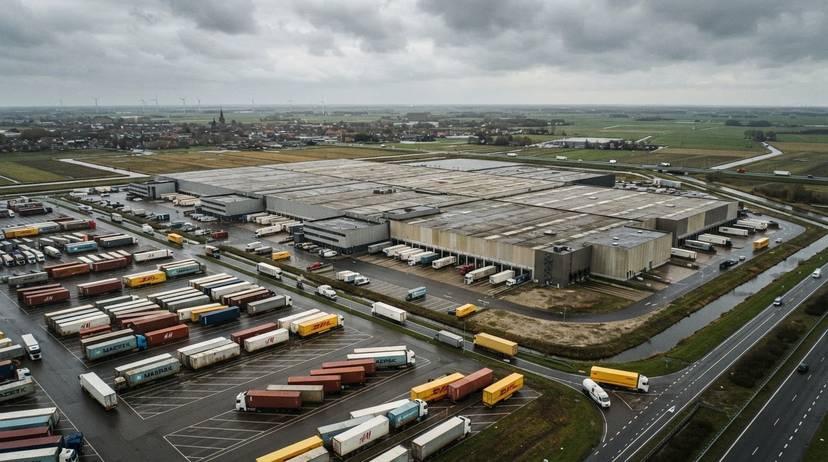
Ontdek hoe de fast fashion-industrie de Nederlandse consument en het milieu beïnvloedt, met inzichten van duurzaamheidsexperte Yvette Hekkert.
8 min leestijd
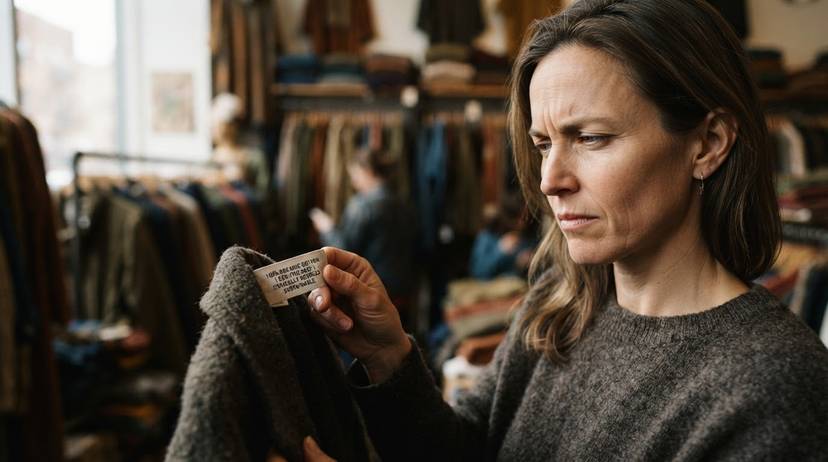
Ontdek hoe 'greenwashing' zich heeft ontwikkeld binnen de kledingindustrie en welke tactieken bedrijven gebruiken om consumenten te misleiden over duurzaamheid, een probleem dat diepgaande historische wortels heeft.
5 min leestijd
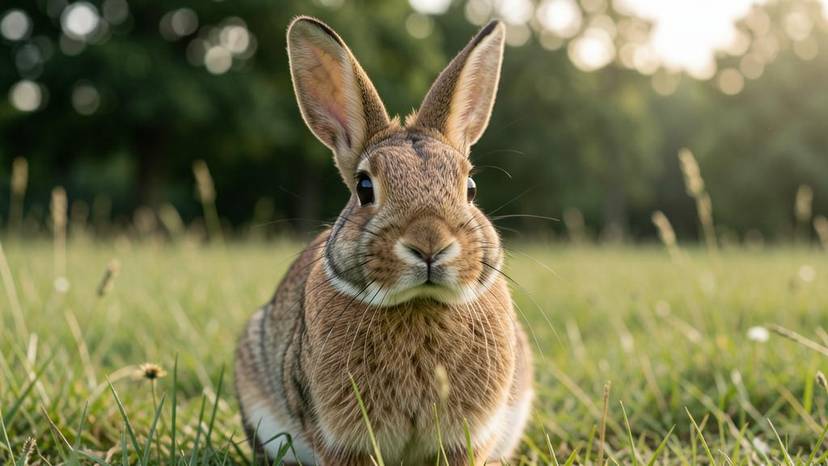
Ontdek hoe het konijn als intelligent en sociaal dier lijdt onder de Nederlandse vlees- en bontindustrie, en wat jij kunt doen om hen te beschermen.
6 min leestijd
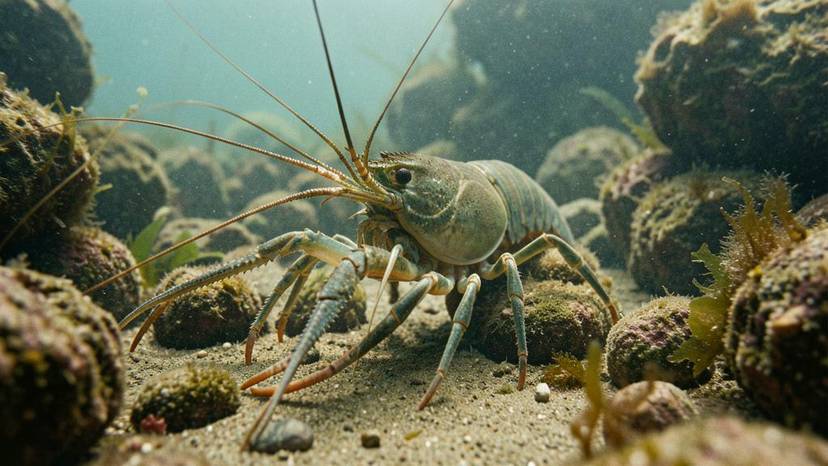
Ontdek wat de wetenschap zegt over kreeftenpijn, de gruwelijke praktijk van levend koken en hoe jij in Nederland een diervriendelijker keuze maakt.
6 min leestijd
Deze vergelijking zet twee opties tegenover elkaar aan de hand van dezelfde criteria, zodat de afweging zichtbaar wordt in plaats van impliciet blijft. Wij kronen geen universele winnaar: de betere keuze hangt af van waar je op optimaliseert — uitstoot, dierenwelzijn, voeding, kosten, beschikbaarheid of tijd — en die prioriteiten verschillen terecht per lezer.
Alles hieronder komt uit onze eigen berichtgeving in deze editie. Waar het bewijs werkelijk omstreden is, zegt de vergelijking dat ook, in plaats van het kunstmatig op te lossen, en de gelinkte artikelen tonen de datasets achter elke bewering.
Beide kanten worden gemeten aan de hand van identieke criteria en, waar mogelijk, aan de hand van cijfers uit dezelfde studie of dataset — het mengen van bronnen met verschillende systeemgrenzen is de meest voorkomende manier waarop vergelijkingen misleiden. Uitstoot wordt gegeven per nuttige eenheid in plaats van per kilogram waar dat de rangschikking verandert, welzijn wordt beoordeeld tegen het certificeringsschema dat daadwerkelijk van kracht is, en voeding wordt vergeleken op realistische portiegroottes.
Lokale context bepaalt verschillende criteria. De watervoetafdruk hangt af van waar een gewas groeit, niet alleen van wat het is. Beschikbaarheid, prijs en etiketteringsregels verschillen per land. Persoonlijke voedingsbehoeften variëren met leeftijd, zwangerschap, medicatie en medische geschiedenis. Beschouw de vergelijking als een gestructureerde manier om na te denken en controleer de criteria die lokaal voor jou gelden.
Kies de twee of drie criteria die er voor jou echt toe doen en negeer de rest — een vergelijking die op alles tegelijk optimaliseert, optimaliseert op niets. Als de twee opties dicht bij elkaar liggen op jouw prioriteiten, is de doorslaggevende factor meestal welke je realistisch gezien zult volhouden, omdat blijvende veranderingen beter presteren dan theoretisch optimale die worden opgegeven.
| Criterium | Waar we naar kijken | Waarom het varieert |
|---|---|---|
| Klimaat | Uitstoot per nuttige eenheid | Systeemgrenzen en geografie |
| Land en water | Gebruik per eenheid output | Lokale neerslag en bodemkwaliteit |
| Dieren | Welzijnsresultaten, niet labels | Certificeringsschema van kracht |
| Voeding | Realistische portiegroottes | Individuele behoeften en inname |
| Praktisch | Kosten, beschikbaarheid, moeite | Land en huishouden |