How to Start a Circular Kitchen in Gujarat on a Budget in 30 Days
A step-by-step guide to building a zero-waste, circular kitchen in Gujarat in 30 days — cutting plastic, composting food scraps, and saving money while protecting animals and the planet.
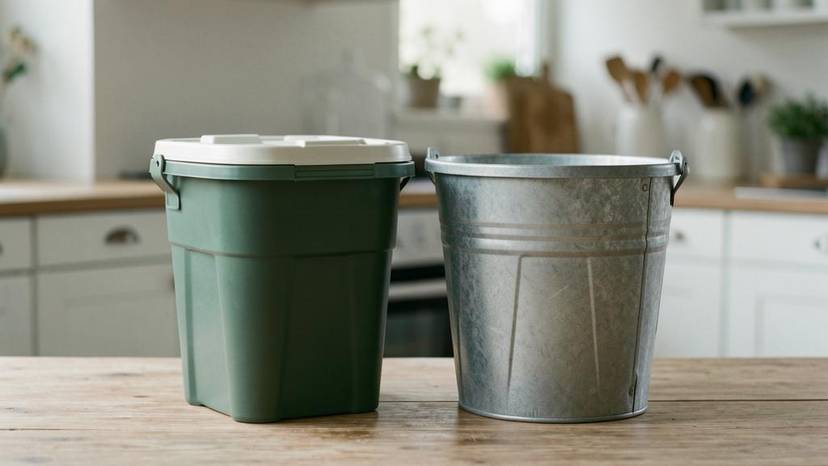
**Short answer:** Starting a circular kitchen in Gujarat on a budget in 30 days means shifting to package-free staples, reusing jars and cloth bags, composting all organic waste, and repairing instead of replacing — cutting your household waste by up to 80% while saving about ₹2,000 per month. A circular kitchen mimics nature’s cycles: food scraps become compost for plants, and nothing goes to landfill. It also reduces the demand for factory-farmed animal products, which are major drivers of deforestation and greenhouse gas emissions (FAO, 2024). You can start today, even with a small space and limited money.
In Gujarat, where the average urban household generates about 450 grams of organic waste daily (Gujarat Pollution Control Board, 2023), a circular kitchen is not just an eco-trend — it is a practical response to the state’s overflowing landfills. Municipal solid waste in Ahmedabad alone exceeds 4,000 tonnes per day, with nearly 40% being compostable organic matter. By adopting circular practices, you not only cut your own footprint but also pressure local policymakers to invest in decentralized composting infrastructure. And crucially, every kilogram of food waste you compost is a kilogram that does not end up attracting stray animals or emitting methane in landfills.
What Is a Circular Kitchen and Why Does It Matter in Gujarat?
A circular kitchen is a system where resources are used for as long as possible: you buy in bulk, reuse containers, compost scraps, and recycle what remains. It contrasts with the linear “take-make-dispose” model that dominates modern food systems. In Gujarat, this approach also supports local economies — think of Ahmedabad’s bustling grain markets where you can buy staples without packaging, or the traditional practice of using steel tiffins and cloth bags.
The environmental stakes are high. Globally, food waste accounts for 8–10% of greenhouse gas emissions (IPCC, 2022). In India, the average household discards about 50 kg of edible food per year (FAO, 2024). When organic waste rots in landfills, it produces methane, a greenhouse gas 80 times more potent than CO2 over 20 years. By keeping organics out of landfills, a circular kitchen directly mitigates climate change. It also reduces demand for factory-farmed meat and dairy, which are among the most resource-intensive and cruel food products on the planet (Humane Society International, 2023).
Step 1: Audit Your Current Kitchen Waste for One Week
Before you can build a circular kitchen, you need to know what you are throwing away. For seven days, keep a simple diary: weigh your daily waste, note the categories (plastic packaging, food scraps, paper, glass, metals), and record the sources. This baseline helps you target the biggest wins first. According to the Gujarat Pollution Control Board (2023), the average Ahmedabad household generates 450 g of waste daily, of which nearly 60% is organic — so your first focus should be on food scraps.
**Concrete example:** Meera, a resident of Navrangpura, Ahmedabad, did this audit in 2024. She discovered she was throwing away 1.5 kg of food scraps daily — mostly vegetable peels and leftover dal. Within two weeks of switching to a compost bin, she cut her landfill waste from 2 kg to 400 g per day. Tools needed: a digital kitchen scale (₹300–500), a notebook, and a week of discipline. Cost: almost nothing.
Step 2: Switch to Package-Free Shopping at Local Markets
Package-free shopping is the heart of a circular kitchen. In Gujarat, you are fortunate to have vibrant weekly markets (like Ahmedabad’s Law Garden or Surat’s textile markets) where vendors sell grains, pulses, spices, and produce loose. Bring your own cloth bags, steel containers, or glass jars. Many shopkeepers are happy to fill your containers directly — it saves them packaging costs too. Avoid pre-packaged snacks and processed foods, which often come in multi-layer plastic that is impossible to recycle.
**Concrete example:** Rajesh, a shopkeeper at the Jamalpur market in Ahmedabad, has been selling spices loose for 20 years. He notes that customers who bring their own jars save an average of ₹150 per month on packaging. To make the switch, invest in a set of cotton or jute bags (₹50–100 each), a few glass jars (₹100–200 each), and a stainless steel tiffin for dairy-free paneer or tofu. Cost: under ₹1,000 for a full kit.
Step 3: Master the Art of Composting in Small Spaces
Composting transforms your organic waste into nutrient-rich soil for plants, closing the loop. In Gujarat’s warm climate, composting is fast — you can get finished compost in 4–6 weeks. If you have a balcony or a small garden, use a simple bin method: layer green waste (vegetable peels, fruit scraps) with brown waste (dried leaves, cardboard). Keep it moist but not soggy, and turn it every few days. For apartment dwellers, a terracotta pot composter or a worm bin (vermicomposting) works beautifully indoors.
**Concrete example:** In 2024, the Ahmedabad Municipal Corporation launched a pilot program distributing 10,000 home compost bins at subsidized rates (₹200 per bin). Participants reported a 40% reduction in household waste sent to landfills within three months. Tools needed: a compost bin (₹200–800), a hand trowel (₹100), and a spray bottle for moisture. Cost: under ₹1,000.
Step 4: Cook with Every Scrap — Zero-Waste Recipes
Circular cooking means using every part of the plant. Vegetable peels can become crispy snacks or flavor-rich broths. Stems and leaves — like coriander stems — are perfect for chutneys. Stale bread can become breadcrumbs or a vegan French toast. This not only reduces waste but also saves money, as you get more meals from the same ingredients. A plant-based diet is inherently less wasteful than a meat-centric one, because animal products have higher resource footprints and are more likely to be discarded (FAO, 2024).
**Concrete example:** A typical Gujarati thali produces peels from potatoes, carrots, and bottle gourd. Instead of throwing them away, you can make a peel sabzi or add them to a dal. The water used to wash rice can be used to water plants. Tools needed: a vegetable peeler (₹50), a sturdy knife (₹200), and a recipe book like “Zero-Waste Kitchen” by Shubhra Chatterji. Cost: negligible.
Step 5: Set Up a Repair and Reuse Station for Kitchen Tools
A circular kitchen is not just about food — it is about extending the life of everything in your kitchen. Instead of buying a new blender or toaster when the old one breaks, learn to repair it. In Ahmedabad, there are several repair shops, like the ones in the old city’s Manek Chowk area, that fix small appliances for a fraction of the cost of a new one. You can also fashion new uses for old items: glass bottles become spice jars, old t-shirts become cleaning rags.
**Concrete example:** In 2025, a community repair café in Vadodara repaired over 300 kitchen appliances in six months, saving an estimated 1.2 tonnes of e-waste from landfills. Tools needed: a basic screwdriver set (₹300), pliers (₹200), and a soldering iron (₹500) for electronics. Cost: under ₹1,000 for a starter kit.
Step 6: Understand Gujarat’s Waste Policy and Municipal Support
Your circular kitchen can be more effective if you know the local rules. Under the Solid Waste Management Rules, 2016, Indian cities are required to process organic waste locally. Gujarat has been a pioneer: the Ahmedabad Municipal Corporation has set up 12 decentralized composting centers, and Surat has a policy to give property tax rebates to households that compost their own waste. Knowing these policies helps you advocate for better services and even access subsidies.
**Concrete example:** In 2024, the Gandhinagar Municipal Corporation launched a “zero-waste colony” pilot in Sector 16, offering free compost bins and weekly doorstep collection of dry recyclables. Residents who composted were given a 5% property tax discount. Tools needed: none — just awareness. Cost: your time to read the policy documents.
Step 7: Track Your Progress and Expand to a Circular Lifestyle
After 30 days, measure your results: weigh your weekly waste again, note the money saved, and assess how much you composted. Celebrate small wins — maybe you cut your waste by 50% or saved ₹1,000 on groceries. Then expand: switch to bamboo toothbrushes, use safety razors, and bring your own water bottle. Every step reduces your demand for single-use plastic, which in turn protects marine wildlife — according to a 2024 study in Nature, over 100,000 marine mammals die each year from plastic entanglement or ingestion.
**Concrete example:** A family in Rajkot tracked their journey over 30 days and found they saved ₹2,300 by buying loose grains and cooking from scratch. They also reduced their plastic waste from 1.2 kg to just 200 g per week. Tools needed: a simple spreadsheet or a waste-tracking app. Cost: free.
“A circular kitchen is not about perfection — it is about making a series of small, consistent choices that add up to a huge difference for animals and the planet. Every peel composted is a step away from factory farming.”
| Tool | Cost (₹) | Purpose |
|---|---|---|
| Cloth bags (3) | 150 | Package-free shopping |
| Glass jars (2) | 200 | Storing grains and spices |
| Compost bin | 500 | Composting organic waste |
| Kitchen scale | 400 | Tracking waste |
| Repair kit | 600 | Fixing appliances |
| Total | 1,850 | One-time investment |
Estimated Waste Reduction in a Circular Kitchen
Your 30-Day Circular Kitchen Checklist
- ✓Audit your waste for one week
- ✓Buy 3 cloth bags and 2 glass jars
- ✓Visit a local market for package-free shopping
- ✓Start a compost bin with daily food scraps
- ✓Cook one zero-waste recipe per week
- ✓Repair one broken kitchen tool instead of replacing
- ✓Check your municipal corporation's waste policy
- ✓Track your progress weekly
Frequently Asked Questions
Is a circular kitchen expensive to set up in Gujarat?
No, a circular kitchen is actually cheaper in the long run. The initial investment for a starter kit — cloth bags, glass jars, and a compost bin — is around ₹1,850. But you save money by buying loose grains at lower prices and reducing food waste. A typical family in Ahmedabad saves ₹1,500–2,500 per month after switching to package-free shopping and meal planning.
How do I compost in a small apartment in Gujarat?
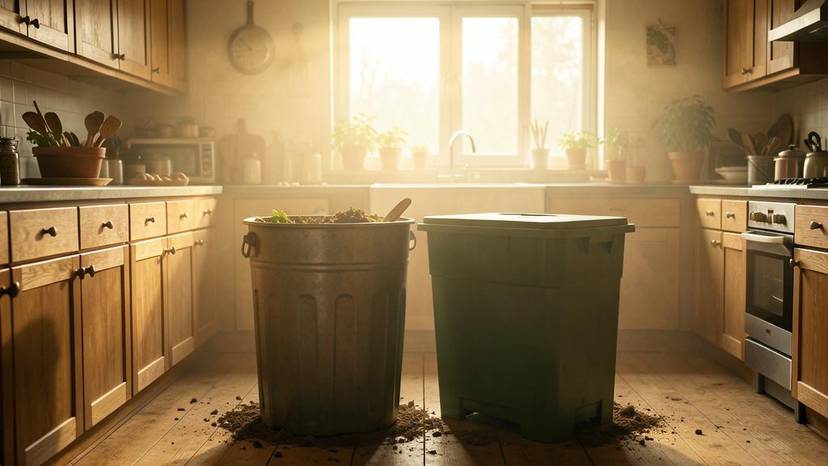
Use a terracotta pot composter or a worm bin, both of which are odorless and fit on a balcony or even under the sink. The Ahmedabad Municipal Corporation sells subsidized bins at ₹200. With Gujarat’s warm climate, you can produce finished compost in 4–6 weeks. Turn the pile every few days and keep it slightly moist.
Where can I buy package-free food in Gujarat?
Local vegetable markets (like Law Garden in Ahmedabad or the big wholesale market in Surat) are excellent for loose produce. For grains and pulses, visit any kirana store — most are happy to fill your containers. Specialty stores like “EcoSattva” in Ahmedabad also offer zero-waste pantry staples, though at a premium.
Does composting really help fight climate change?
Yes. When organic waste goes to landfill, it decomposes anaerobically and releases methane, a greenhouse gas 80 times more potent than CO2 over 20 years (IPCC, 2022). Composting keeps that waste aerobic, so it breaks down into CO2 (which is part of the natural carbon cycle) and enriches soil, which can store more carbon. A home composter can divert up to 60% of household waste from landfill.
What if I don’t have a garden to use the compost?
Even without a garden, compost is useful. You can donate it to a community garden, a neighbor with plants, or use it to grow herbs on your windowsill. In Ahmedabad, several terrace-gardening groups, like “Green Ahmedabad”, accept surplus compost. Alternatively, you can use the compost to enrich the soil of street trees near your home.
How does a circular kitchen reduce animal suffering?
A circular kitchen encourages plant-based, whole-food cooking, which reduces the demand for factory-farmed meat and dairy. According to the Humane Society International (2023), shifting to plant-based diets is one of the most effective ways to reduce industrial animal suffering. Additionally, by wasting less food, you reduce the need to produce more animal products, sparing billions of animals from lives of confinement and slaughter.
સંબંધિત વિષયો
સંબંધિત
ગુજરાતમાં શ્રેષ્ઠ ૧૦ ઉત્પાદનો જે તમે કચરો-મુક્ત બજારમાં બદલી શકો છો
ઝીરો-વેસ્ટ જીવનશૈલી અપનાવવા માટે ગુજરાતના બજારોમાં મળતા ૧૦ સામાન્ય ઉત્પાદનોને કચરો-મુક્ત વિકલ્પોથી બદલવાની સંપૂર્ણ માર્ગદર્શિકા, જે પ્રાણી કલ્યાણ અને પર્યાવરણ બંને માટે લાભદાયી છે.
6 મિનિટ વાંચન
કચરો-મુક્ત કિચન vs રિફિલ સ્ટોર: ગુજરાતમાં ઝીરો-વેસ્ટ જીવન માટે કયું સારું?
ગુજરાતમાં ઝીરો-વેસ્ટ જીવન માટે કચરો-મુક્ત કિચન અને રિફિલ સ્ટોર વચ્ચે સરખામણી: ખર્ચ, સગવડ, પર્યાવરણીય અસર અને પ્રાણી કલ્યાણના દ્રષ્ટિકોણથી કયો વિકલ્પ વધુ સારો છે?
7 મિનિટ વાંચન
ગુજરાતમાં ઝીરો-વેસ્ટ શાકભાજી બજાર: કચરો-મુક્ત ખરીદી માટે સંપૂર્ણ માર્ગદર્શિકા
અમદાવાદ, વડોદરા અને સુરતમાં ઝીરો-વેસ્ટ શાકભાજી બજારમાં કચરો-મુક્ત ખરીદી કેવી રીતે કરવી, પ્લાસ્ટિક ઘટાડવું અને સ્થાનિક ખેડૂતોને ટેકો આપવો — આ સંપૂર્ણ માર્ગદર્શિકામાં જાણો.
7 મિનિટ વાંચન