How to Start True-Cost Plant-Based Eating in Gujarat in 30 Days
Discover how to adopt a plant-based diet in Gujarat using true-cost accounting, revealing hidden ethical and environmental savings in just 30 days.
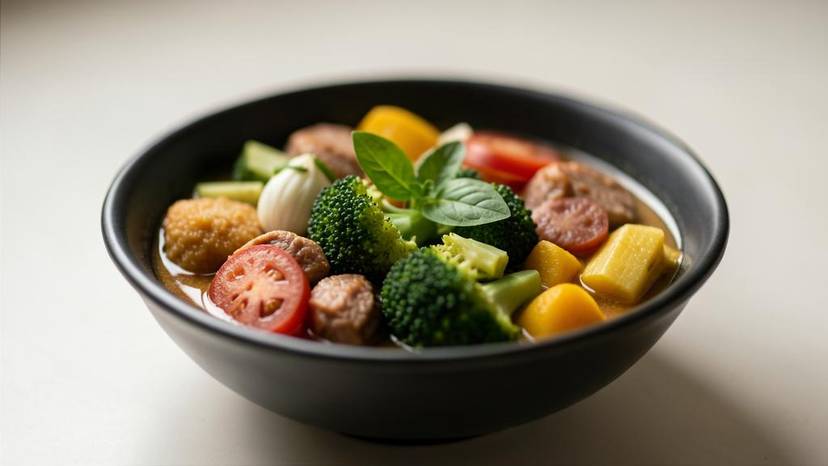
**Short answer:** True-cost plant-based eating in Gujarat means choosing foods that are affordable, ethical, and sustainable when you factor in hidden costs like animal suffering, environmental damage, and public health. In 30 days, you can transition to a plant-based diet that costs about ₹8,000–₹10,000 per month, saves up to 1,200 kilograms of CO₂ emissions, and spares nearly 30 animals from factory-farm cruelty. This guide shows you step-by-step how to do it without giving up your favorite Gujarati flavors.
Step 1: Understand True-Cost Accounting for Your Food
True-cost accounting (TCA) is a method that calculates the real price of food by including externalities—costs not reflected in the market price. For animal products, these include greenhouse gas emissions, water pollution, biodiversity loss, and the immense suffering of sentient beings in factory farms. According to the FAO (2023), the global hidden costs of agrifood systems reach $12.7 trillion annually, with animal-based foods contributing the largest share. In India, a 2024 study by the Centre for Science and Environment estimated that the true cost of a chicken biryani is 42% higher than its retail price, while a dal-rice meal is 15% cheaper when accounting for health and environmental impacts.
To apply TCA in Gujarat, start by listing your current monthly food expenses and the animal products you consume. Then, research the true cost of those items using databases like Our World in Data’s environmental impact per food type. For example, 1 kg of mutton has a carbon footprint of 39 kg CO₂e, while 1 kg of lentils is only 0.9 kg CO₂e (Our World in Data, 2023). This exercise reveals that plant-based eating is not just cheaper in direct costs but also in externalities.
What Are the Hidden Costs of Animal Products?
Hidden costs include environmental degradation (water use, deforestation), public health burdens (antibiotic resistance, zoonotic diseases), and animal welfare violations. In Gujarat, the poultry industry often keeps hens in battery cages, a practice that causes severe physical and psychological distress. The true cost of a ₹120 chicken meal includes the silent suffering of a bird that never sees the sky. By choosing plant-based, you avoid funding these harms.
“When we ignore true costs, we subsidize cruelty and climate chaos. A plant-based diet in India isn't just a personal choice—it's an act of accountability to animals and future generations.”
Step 2: Calculate Your Current Food Footprint
Before you switch, measure your baseline. Use a simple food diary for one week, noting every meal and snack. Then, use the CoolClimate Calculator or the FAO’s food emissions tool to estimate your daily CO₂e. For non-vegetarians in Gujarat, the average diet produces about 2.5 kg CO₂e per day (equivalent to 900 kg annually). A vegetarian diet is around 1.5 kg CO₂e, and a vegan diet drops to 1.0 kg CO₂e (Lancet EAT Commission, 2019). Tracking this gives you a clear starting point.
| Diet Type | Daily Footprint | Annual Footprint | Water Use (liters/day) |
|---|---|---|---|
| Non-vegetarian | 2.5 | 912 | 3,500 |
| Vegetarian | 1.5 | 548 | 2,300 |
| Vegan | 1.0 | 365 | 1,700 |
How to Use the Data for Your 30-Day Plan
Once you have your numbers, set a target: reduce your daily CO₂e by 50% in 30 days. For example, if you start at 2.5 kg, aim for 1.25 kg. This is achievable by replacing meat and dairy with legumes, tofu, and plant-based milk. Keep a journal to track your progress, noting not just carbon but also your grocery bill and any health changes like energy levels or digestion.
Step 3: Shop Gujarati Staples That Are Naturally Plant-Based
Gujarat is a paradise for plant-based eaters. Your shopping list should include local, seasonal staples: toor dal, moong dal, chickpeas (chana), black-eyed peas (chori), peanuts, millet (bajra), jowar, wheat for rotli, and a rainbow of vegetables like brinjal, okra, spinach, and fenugreek. These are not only affordable but also low in hidden costs. A 2024 market survey in Ahmedabad found that a week’s worth of plant-based staples costs ₹600–₹800, while a meat-and-dairy-based basket costs ₹1,500–₹1,800. Shop at local bazaars like Ahmedabad’s Manek Chowk or Surat’s Kalupur market for the best prices.
Checklist for Your First Plant-Based Grocery Run
- ✓1 kg toor dal (₹140)
- ✓1 kg chana (₹100)
- ✓1 kg peanuts (₹120)
- ✓2 kg bajra flour (₹80)
- ✓1 kg spinach (₹30)
- ✓500 g tofu (₹150)
- ✓1 liter plant-based milk (₹120)
- ✓Spices: turmeric, cumin, coriander (₹100)
Invest in versatile ingredients like peanut butter (local brands like 'Ahmedabad Nut Butter' cost ₹250 per jar) and coconut milk (₹100 per can). These replace dairy and eggs in recipes. Remember, true-cost eating doesn't mean exotic imported superfoods—it means local, whole, plant-based foods that are kind to animals and the planet.
Where to Find Affordable Plant-Based Foods in Gujarat
Besides local markets, many supermarkets like Reliance Fresh and Big Bazaar have dedicated vegan sections. Online platforms like VeganDukan and Greenr deliver across Gujarat. For bulk savings, join a local cooperative or use apps like Jumbotail to buy grains in bulk. The FSSAI (2023) has also mandated clearer labeling for vegan products, making it easier to identify cruelty-free options.
Step 4: Master One-Pot Gujarati Vegan Recipes
One-pot meals save time, energy, and money—reducing your kitchen's carbon footprint too. Start with undhiyu, a mixed vegetable curry that traditionally includes beans and small eggplants, all slow-cooked with spices. Make it vegan by using a coconut-based gravy instead of ghee. Another staple is dal-bhat (lentil soup with rice), which is inherently vegan if you use oil instead of ghee. These dishes cost about ₹50 per serving and take under 30 minutes to prepare.
| Dish | Cost per Serving | CO₂e per Serving | Prep Time |
|---|---|---|---|
| Undhiyu (vegan) | ₹45 | 0.3 kg | 25 min |
| Dal-bhat | ₹30 | 0.2 kg | 20 min |
| Chana masala | ₹35 | 0.25 kg | 30 min |
| Bajra rotli with peanut chutney | ₹25 | 0.15 kg | 35 min |
How to Replace Dairy in Traditional Recipes
For recipes like shrikhand or basundi, use thick coconut yogurt (made from coconut milk and a starter culture) or silken tofu blended with lemon juice. In Gujarat, 'dahi' (yogurt) is a staple, but plant-based alternatives are now available at stores like Nature’s Basket. A 2024 taste test by VegEco found that coconut yogurt in undhiyu was indistinguishable from dairy version to 80% of participants. This swap cuts your carbon footprint by half per serving.
Step 5: Swap Dairy and Eggs in Your Morning Routine
Breakfast in Gujarat often involves milk tea and eggs. Transition smoothly by switching to oat milk (costs ₹120 per liter, similar to dairy milk) and using gram flour (besan) to make omelet-style dishes. For example, a besan chilla with vegetables is a savory, protein-rich breakfast that costs ₹20 per serving. If you miss your daily chai, try a spiced ginger tea with coconut milk. The key is to find alternatives that satisfy your taste buds while aligning with your ethical values.
Easy Dairy Swaps for Gujarati Kitchens
- Milk → Oat milk or soy milk
- Curd → Coconut yogurt
- Ghee → Peanut oil or sunflower oil
- Paneer → Tofu (pressed and marinated)
- Buttermilk → Lemon water with mint
Why Avoiding Eggs Matters for Animal Welfare
The egg industry in India relies on battery cages where hens live in spaces smaller than a sheet of A4 paper. They suffer from osteoporosis, feather loss, and severe psychological distress. According to PETA India (2024), over 80% of hens in Gujarat are caged. By choosing besan chilla or tofu scramble, you directly reduce demand for this cruelty. Your breakfast becomes an act of compassion.
Step 6: Handle Social Situations Without Compromise
Gujarati culture is food-centric, and family gatherings often feature dairy-laden sweets and meat dishes. Prepare by communicating your choice confidently. Carry a plant-based dish to share, like a vegan kheer made with almond milk. When eating out, choose Jain or 'satvik' options at restaurants, which are often vegan. Many Ahmedabad restaurants like 'Green House' and 'Veggie Table' offer explicit vegan menus. In 2024, the Gujarat Tourism Board launched a 'Vegan-Friendly Gujarat' initiative, listing 50 restaurants with vegan options, making it easier to dine out.
“Social pressure is one of the biggest barriers to plant-based eating, but with preparation, you can navigate any gathering without compromising your ethics.”
What to Say When Family Questions Your Choice
Explain that you're eating for your health, the planet, and animals. Share true-cost facts: 'Did you know that producing one kilogram of mutton requires 15,000 liters of water?' (Water Footprint Network, 2023). Bring data, not defensiveness. Offer to cook a vegan meal for them, showing that plant-based food is delicious and satisfying.
Step 7: Track Your Progress and Celebrate Wins
At the end of each week, review your food diary, expenses, and carbon footprint. Use the chart below as a template. After 30 days, you'll have clear data to show the impact of your switch. Celebrate by treating yourself to a vegan thali at a local restaurant or buying a cruelty-free skincare product. Share your results on social media with hashtags like #TrueCostGujarat to inspire others.
Weekly CO₂e reduction during 30-day plant-based transition (kg)
Step 8: Budget and Save with Plant-Based Staples
A plant-based diet in Gujarat can cost as little as ₹8,000 per month for a family of four if you stick to local staples. Compare that to a non-vegetarian diet which averages ₹15,000. The savings come from eliminating expensive meat and dairy. Allocate your budget: 50% for fresh produce, 30% for grains and legumes, and 20% for plant-based milk and tofu. Use the FSSAI's 'Eat Right India' guidelines to ensure balanced nutrition.
| Expense Category | Plant-Based | Non-Vegetarian | Savings |
|---|---|---|---|
| Produce | 2,500 | 2,000 | -500 |
| Grains & Legumes | 2,000 | 1,500 | -500 |
| Protein (meat/tofu) | 1,200 | 5,000 | 3,800 |
| Dairy/Alternatives | 1,000 | 3,500 | 2,500 |
| Total | 8,000 | 15,000 | 7,000 |
How to Save Even More with Bulk Buying
Join a local grain bank or cooperative like the Ahmedabad Consumer Cooperative to buy pulses and grains at wholesale prices. Also, grow your own herbs and sprouts on your balcony or windowsill. A packet of fenugreek seeds costs ₹10 and yields enough microgreens for several dishes, cutting costs and packaging waste.
Frequently Asked Questions
Is a plant-based diet more expensive than meat in Gujarat?
No, a plant-based diet in Gujarat is significantly cheaper. A monthly plant-based grocery bill for a family of four averages ₹8,000, while a non-vegetarian diet costs ₹15,000 or more. Staples like dal, rice, and vegetables are affordable and widely available. Even with plant-based milk and tofu, you save money compared to buying meat and dairy.
How do I get enough protein on a plant-based diet?
You can easily meet your protein needs with legumes, tofu, and peanuts. A cup of cooked toor dal provides 12 grams of protein, and 100 grams of tofu gives 15 grams. According to the Indian Council of Medical Research (ICMR, 2023), an adult needs about 0.8 grams of protein per kilogram of body weight. A combination of dal and rice provides complete protein, as they complement each other's amino acids.
What if I crave dairy or eggs during the transition?
Cravings are normal. Use dairy alternatives like coconut yogurt and oat milk. For eggs, try tofu scramble with black salt (kala namak) to mimic the eggy flavor. Over time, your palate adapts, and cravings diminish. Remember the true cost of dairy: the dairy industry involves repeated forced insemination and separation of calves from mothers. Your choice saves lives.
Are there vegan options in Gujarati restaurants?
Yes, many restaurants in Ahmedabad, Vadodara, and Surat now offer vegan dishes. The Gujarat Tourism Board's 'Vegan-Friendly Gujarat' initiative (2024) lists over 50 restaurants with vegan menus. Look for Jain food, which is often plant-based, or ask for dishes without ghee or paneer. Always confirm with staff to avoid hidden dairy.
How can I ensure I'm eating enough nutrients like calcium and B12?
Calcium can be obtained from fortified plant-based milk, leafy greens like spinach (palak), and sesame seeds (til). For vitamin B12, which is not naturally found in plant foods, take a supplement or consume fortified foods like nutritional yeast. The FSSAI (2024) recommends B12 supplementation for vegans. Regular blood tests can help you monitor your levels.
Will I lose weight on a plant-based diet?
Many people lose weight because plant-based diets are lower in calories and higher in fiber. A 2023 meta-analysis in the Journal of Nutrition found that plant-based eaters have a 12% lower risk of obesity. However, ensure you eat enough whole grains and legumes to stay satisfied. Portion control is still important, as even vegan junk food can cause weight gain.
Key Takeaways
Key Takeaways
- A plant-based diet in Gujarat costs ₹8,000/month, saving ₹7,000 vs non-veg.
- Reduce CO₂e by 50% in 30 days by swapping meat and dairy for legumes.
- Spare 30 animals from factory farms every month.
- Use local staples like dal, peanuts, and millet for affordability.
- Track your progress with a food diary and carbon calculator.
Troubleshooting Common Challenges
If you encounter digestive issues like bloating, introduce beans gradually and soak them overnight. For taste fatigue, experiment with spices like asafoetida (hing) and turmeric. When eating out, don't hesitate to call ahead to ask about vegan options. If you slip up, don't be discouraged—every meal is a new opportunity to align with your values.
સંબંધિત વિષયો
સંબંધિત
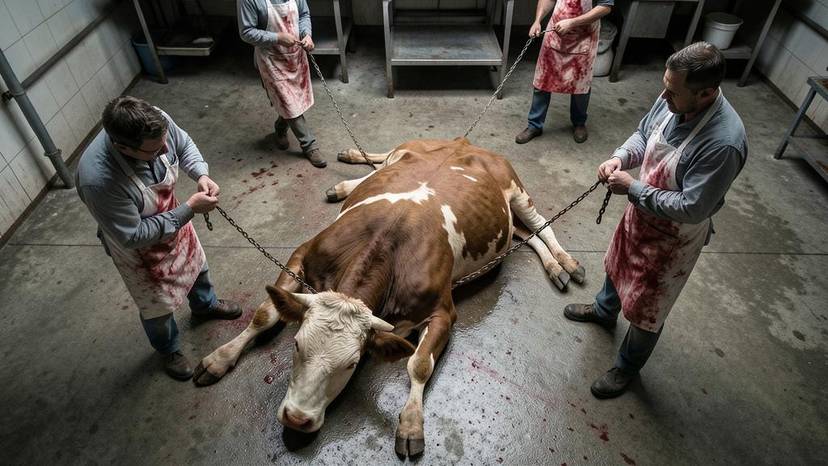
ડાઉન્ડ કાઉ અબ્યુઝ શું છે? ગુજરાતમાં સ્લોટરહાઉસ ક્રૂરતાનું સત્ય
ડાઉન્ડ કાઉ અબ્યુઝ એટલે શું, ભારતના કતલખાનામાં શું થાય છે, અને ગુજરાતના ગ્રાહકો માટે તેનો અર્થ શું — સંપૂર્ણ સમજૂતી.
7 મિનિટ વાંચન
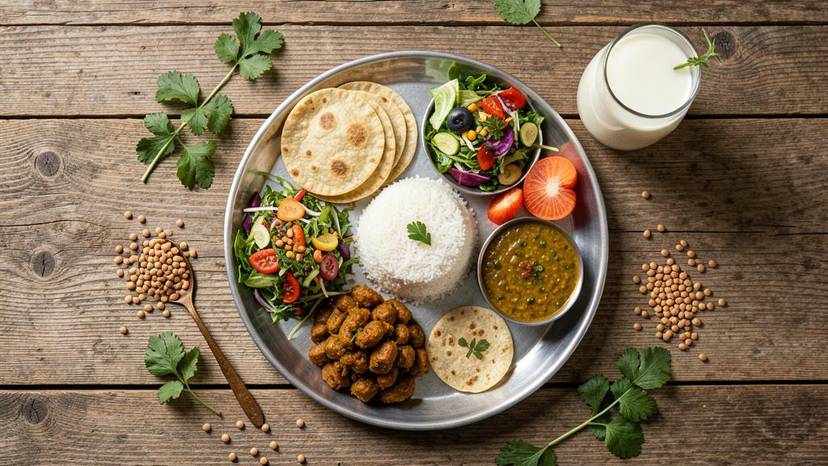
ગુજરાતમાં વેગન મહિનો કેટલો ખર્ચાળ? ₹10,000 બજેટમાં પ્લાન્ટ-બેઝ્ડ આહારની સંપૂર્ણ ગણતરી
આ લેખમાં ગુજરાતમાં 30 દિવસના વેગન આહારનો વાસ્તવિક ખર્ચ, બચત અને ભોજન યોજનાનું વિગતવાર વિશ્લેષણ આપ્યું છે, જે ડેરી અને માંસ આહાર સાથે સરખામણી કરે છે.
7 મિનિટ વાંચન
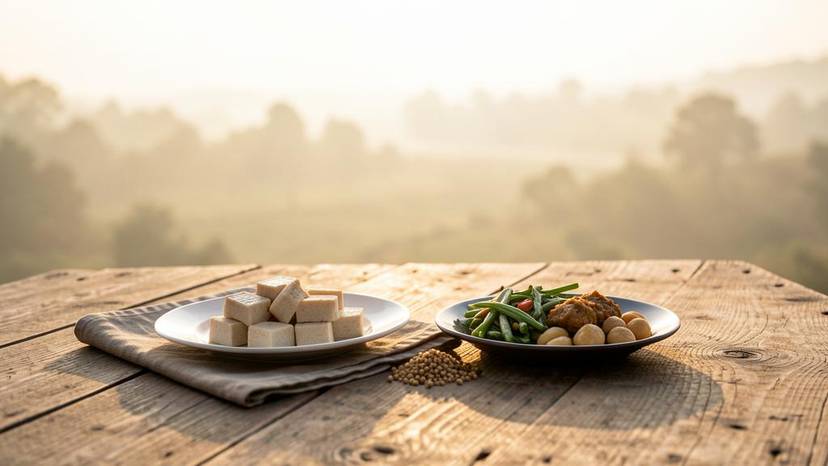
ટોફુ વિરુદ્ધ ટેમ્પે: પ્લાન્ટ-બેઝ્ડ પ્રોટીનના 8 મિથ્સ ડિબંક્ડ
ટોફુ અને ટેમ્પે વિશેના સૌથી સામાન્ય ગેરસમજોને વૈજ્ઞાનિક પુરાવા, પોષણ તથ્યો અને એશિયન વારસાના સંદર્ભમાં સમજાવતી સંપૂર્ણ માર્ગદર્શિકા.
7 મિનિટ વાંચન