How to Cut Food Waste with a Plant-Based Meal Plan in Gujarat: 30-Day Guide
Learn how to cut food waste with a plant-based meal plan in Gujarat over 30 days, saving money, reducing landfill, and protecting animals and the planet.
**Short answer:** You can cut food waste with a plant-based meal plan in Gujarat in 30 days by planning weekly menus around local staples like millet, lentils, and seasonal vegetables, using every part of produce, storing food correctly, and composting scraps. A structured plan reduces household food waste by up to 40%, saving money and lowering your carbon footprint.
In Gujarat, where food waste is a growing concern, adopting a plant-based meal plan not only helps your wallet but also reduces the environmental burden of rotting food in landfills. According to the Food and Agriculture Organization (FAO, 2023), one-third of all food produced globally is wasted, contributing 8-10% of global greenhouse gas emissions. This guide offers a practical 30-day roadmap to cut waste, featuring local ingredients and simple techniques.
Why Is Cutting Food Waste a Climate and Animal Issue?
Food waste is not just a personal problem; it is a major driver of climate change. When food decomposes in landfills, it releases methane, a greenhouse gas 80 times more potent than carbon dioxide over 20 years (IPCC, 2022). By wasting less, you reduce the demand for agricultural land, which is often created by clearing forests and destroying wildlife habitats.
Moreover, the animals raised for food—cows, pigs, chickens—suffer in factory farms, and wasting their flesh or milk adds insult to injury. A plant-based meal plan avoids this cruelty altogether. By choosing plants and using every bit of them, you align your plate with your values for animals and the planet.
“Reducing food waste is one of the most effective individual actions to combat climate change and protect biodiversity, and a plant-based diet makes it easier because plants have a smaller footprint and more flexible uses.”
Step 1: Audit Your Current Food Waste to Set a Baseline
Before you start, spend one week tracking what you throw away. Use a simple notebook or a kitchen scale to weigh discarded peels, spoiled vegetables, and leftovers. This baseline helps you target the biggest sources of waste. In many Gujarati households, common waste includes potato peels, onion skins, and leftover roti or rice.
For example, a family in Ahmedabad found they wasted 2 kg of vegetables weekly, mostly due to overbuying at the market. By tracking, they reduced this to 500 g within a month. Tools needed: a kitchen scale (₹300-500), a notebook, and a marker for labeling containers.
Step 2: Plan a Weekly Plant-Based Menu Around Local Staples
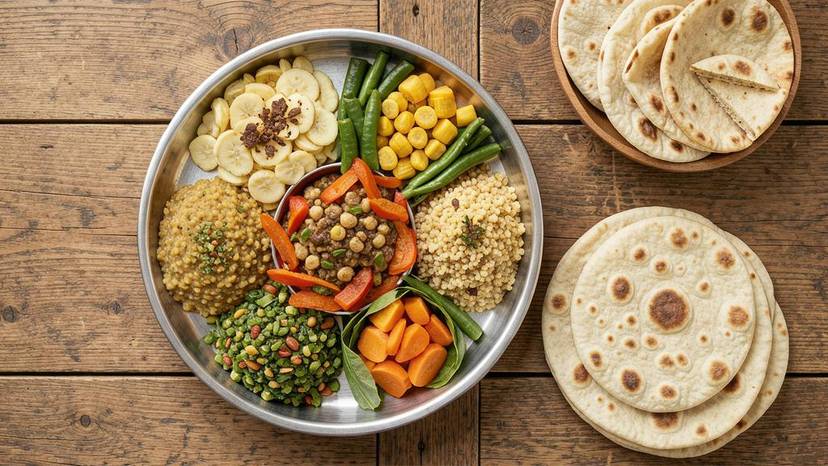
Design a weekly menu using Gujarati staples like bajra (pearl millet), jowar (sorghum), tuvar dal, mung beans, and seasonal vegetables such as bottle gourd, okra, and spinach. These are inexpensive, nutritious, and versatile. For example, use the same cooked dal for a soup one day and a stir-fry the next.
Set aside 30 minutes every Sunday to plan. Write down 7 breakfasts, 7 lunches, and 7 dinners. Check your pantry first to avoid buying duplicates. A sample day could be: breakfast – vegetable poha; lunch – roti, tuvar dal, and sabzi; dinner – khichdi with leftover vegetables.
Step 3: Shop Smart with a List and Buy in Bulk
Create a shopping list based on your meal plan and stick to it. Avoid impulse buys by never shopping hungry. In Gujarat, local markets like Ahmedabad's Manek Chowk offer fresh produce in bulk at lower prices. Buy grains, lentils, and spices in bulk from stores like 'Navrattan Stores' to reduce packaging waste and save up to 20%.
For example, instead of buying pre-cut vegetables, purchase whole ones and chop them at home. This reduces plastic packaging and allows you to use every part. Also, prefer local, seasonal produce, which has a longer shelf life and supports regional farmers.
Step 4: Master Proper Storage to Extend Freshness
Correct storage can double the life of your produce. Store leafy greens like spinach in a damp cloth in the fridge, and keep potatoes and onions in a cool, dark, dry place outside the fridge. Use airtight glass containers for leftovers to keep them fresh for up to 4 days.
In Gujarat's hot climate, avoid leaving perishables out. For example, coconut and fresh coriander spoil quickly; wrap them in paper and refrigerate. Invest in reusable silicone bags (₹200-400) or steel containers (₹500-800) to replace plastic. Label each container with the date to avoid forgetting what's inside.
Step 5: Cook in Batches and Repurpose Leftovers
Batch cooking saves time and reduces waste. Cook large quantities of dal, rice, or khichdi on weekends, then portion them for the week. Repurpose leftovers creatively: yesterday's sabzi becomes a filling for wraps or a topping for toast. Cooked rice can be turned into a tasty pulao or fried rice with vegetables.
For example, a weekly batch of mung dal can be used for breakfast (dal chilla), lunch (dal with rice), and dinner (dal soup). This approach ensures nothing goes to waste. Tools: a large pressure cooker (₹1500-2500), glass containers for storage, and a ladle for portioning.
Step 6: Use Every Part of the Plant – From Roots to Leaves
Many parts of vegetables are edible but often discarded. Use radish leaves in a stir-fry, watermelon rind in a curry, and vegetable peels to make a nutritious stock. In Gujarati cooking, you can add grated carrot or beetroot peels to theplas or thepla batter without affecting taste.
For example, save all vegetable peels and ends in a freezer bag. Once full, boil them with water and spices to make a flavorful stock for soups or curries. This reduces waste and adds nutrients. Also, use overripe bananas in smoothies or as a sweetener in baking.
Step 7: Compost Food Scraps to Close the Loop
Even with careful planning, some scraps are unavoidable. Instead of sending them to the landfill, compost them. In Gujarat, you can compost in a small bin or a pit in your garden. The Gujarat Pollution Control Board (GPCB) promotes household composting to reduce municipal waste.
Use a simple terracotta compost pot (₹800-1200) or a DIY bin. Add layers of green (vegetable peels) and brown (dry leaves) materials, keep moist, and turn every few days. In 4-6 weeks, you'll have rich compost for your plants. If you lack space, look for community composting centers in Ahmedabad or Surat.
| Week | Focus | Tools Needed | Cost (₹) |
|---|---|---|---|
| Week 1 | Audit waste | Notebook, scale | 300-500 |
| Week 2 | Plan menus | Meal planning chart | 0 |
| Week 3 | Batch cook and store | Containers, labels | 500-1000 |
| Week 4 | Compost scraps | Compost bin, trowel | 800-1500 |
Household Food Waste Reduction Over 30 Days
Step 8: Track Progress and Adjust Your Plan
At the end of each week, weigh your waste again. Compare it to the baseline. If you still have waste, identify the cause—maybe you're buying too much of a certain vegetable or not storing it correctly. Adjust your shopping list accordingly. For example, if coriander always spoils, buy smaller bunches and use them quickly.
Use a simple chart on your fridge to track daily waste. Reward yourself for milestones, like a zero-waste week, by treating yourself to a special plant-based dessert. This positive reinforcement keeps you motivated.
Step 9: Share Surplus with Neighbors or Food Banks
If you occasionally cook too much, share it with neighbors or donate to local food banks. In Gujarat, organizations like 'Akshaya Patra' accept surplus food, but check local guidelines. Sharing not only reduces waste but also builds community bonds. Alternatively, freeze leftovers for future meals.
For example, if you've made a big pot of vegetable soup, portion it into freezer-safe containers and label with dates. This way, you always have a quick, healthy meal ready, reducing the urge to order out and waste money.
Frequently Asked Questions
How much money can I save by reducing food waste in Gujarat?
On average, a family of four in Gujarat spends ₹3000-4000 monthly on groceries. By cutting food waste by 50%, you can save ₹1500-2000 per month, which adds up to ₹18,000-24,000 annually. This is achievable with meal planning and proper storage.
What are the best plant-based staples for a zero-waste diet in Gujarat?
Bajra, jowar, tuvar dal, mung beans, and seasonal vegetables like bottle gourd and okra are ideal. They are affordable, have long shelf lives, and can be used in multiple dishes. For example, bajra flour can make rotis, bhakhri, or even a sweet porridge.
Can I compost in an apartment in Ahmedabad?
Yes, you can use a small indoor compost bin with a lid, such as a terracotta pot or a bokashi bucket. These are odor-free if maintained properly. Many residential societies in Ahmedabad have started community composting pits; check with your society's management.
How does reducing food waste help animals?
When you waste less food, you reduce the need to produce more, which means fewer animals are raised and slaughtered in factory farms. In India, millions of animals suffer in the dairy and meat industries. A plant-based diet that minimizes waste directly reduces demand for animal products and their associated cruelty.
What if I don't have time to meal plan every week?
Start with a simple two-day plan. Cook a large batch on Sunday, and use leftovers on Monday. You can also use a meal planning app like 'Plant Nanny' or a simple notebook. The key is consistency; even 15 minutes of planning can save you hours and money later.
Are there any government incentives for composting in Gujarat?
The Gujarat Pollution Control Board (GPCB) and local municipalities often provide subsidies for compost bins. For example, the Ahmedabad Municipal Corporation (AMC) has distributed subsidized compost kits in some wards. Check with your local ward office for current schemes.
Key Takeaways
Checklist for Cutting Food Waste in 30 Days
- ✓Track waste for a week and set a baseline
- ✓Plan weekly meals using local plant-based staples
- ✓Shop with a list and buy in bulk
- ✓Store produce correctly to extend freshness
- ✓Batch cook and repurpose leftovers
- ✓Use every part of vegetables and fruits
- ✓Compost all unavoidable scraps
- ✓Track progress weekly and adjust
- ✓Share surplus with neighbors or donate
Key Takeaways
- Cut food waste by up to 50% with meal planning
- Save ₹1500-2000 monthly on groceries
- Reduce methane emissions and your carbon footprint
- Support animal welfare by wasting less plant-based food
- Use composting to close the loop and enrich soil
સંબંધિત વિષયો
સંબંધિત
13 શાકાહારી ભોજનના લાભ: 2026માં સ્વાસ્થ્ય, પર્યાવરણ અને પ્રાણી કલ્યાણ માટે સંપૂર્ણ માર્ગદર્શિકા
શાકાહારી ભોજનના લાભ શું છે? આ લેખમાં 13 વૈજ્ઞાનિક રીતે સમર્થિત લાભો, ગુજરાતી આહારમાં સરળ અમલ અને પ્રાણી ઉદ્યોગ સામેની નૈતિક દલીલો સાથે સંપૂર્ણ માર્ગદર્શિકા આપ્યું છે.
8 મિનિટ વાંચન

વ્હી પ્રોટીન vs પ્લાન્ટ પ્રોટીન: ગુજરાતમાં સ્વાસ્થ્ય અને નીતિશાસ્ત્ર માટે કયું સારું?
શું વ્હી પ્રોટીન કરતાં પ્લાન્ટ પ્રોટીન વધુ સારું છે? ગુજરાતી આહારમાં સ્નાયુ, પાચન, પર્યાવરણ અને પશુ કલ્યાણની દૃષ્ટિએ સંપૂર્ણ સરખામણી, વૈજ્ઞાનિક પુરાવા સાથે.
6 મિનિટ વાંચન
શાકાહારી ભોજન શું છે? 2026માં શરૂઆત કરવા માટે સંપૂર્ણ માર્ગદર્શિકા
શાકાહારી ભોજન શું છે, તેના સ્વાસ્થ્ય લાભો, પ્રાણી કલ્યાણ અને પર્યાવરણ પર અસર સહિતની સંપૂર્ણ માહિતી – નવા શરૂઆત કરનારાઓ માટે 7-દિવસ અને 30-દિવસની યોજના સાથે.
6 મિનિટ વાંચન