How to Meal-Prep a Plant-Based Week in Gujarat Without Plastic Waste
Learn a step-by-step system for batch-cooking vegan meals in Gujarat that cuts plastic, saves money, and reduces animal suffering — all in one weekly plan.
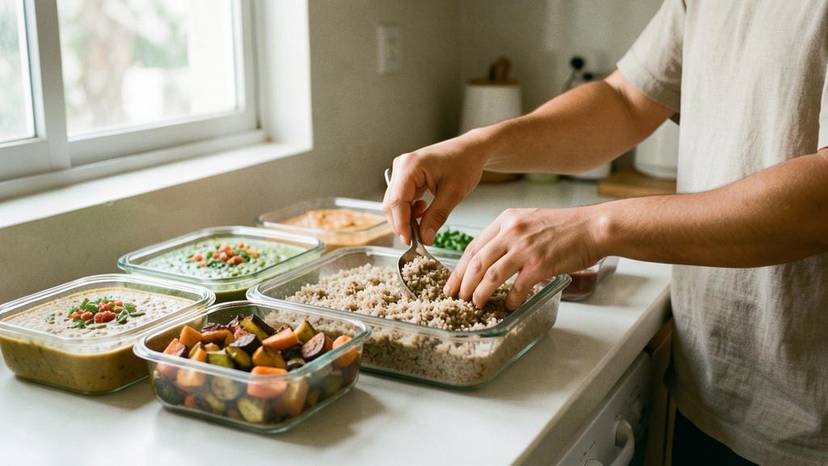
**Short answer:** To meal-prep a plant-based week in Gujarat without plastic waste, plan a menu around local grains and pulses, shop at bulk stores with your own cloth bags, batch-cook using steel or glass containers, and store smartly in the fridge and freezer. This system saves time, reduces plastic pollution, and supports a cruelty-free lifestyle — all while cutting food costs by up to 30% (Nutrition Foundation of India, 2023).
Meal prep is not just about convenience; it is a powerful tool against the environmental and ethical harms of the food industry. By cooking plant-based meals in bulk, you reduce reliance on packaged animal products that fuel factory farming — where millions of hens endure battery cages and dairy cows face lameness and mastitis in Gujarat's industrial dairies (Animal Welfare Board of India, 2022). Your kitchen becomes a site of resistance.
Why Meal Prep a Plant-Based Week in Gujarat Without Plastic Waste?
A plant-based diet is the single most effective way to reduce your carbon footprint — up to 73% lower than a meat-based diet (Poore & Nemecek, 2018, Science). But the benefits multiply when you pair it with waste-free practices. In Gujarat, where street food and home cooking dominate, traditional steel tiffins and cloth bags are already part of the culture. Reviving these habits is both nostalgic and forward-thinking.
The animal impact is equally urgent. Gujarat is India's largest milk-producing state, with over 8 million dairy cows — many confined in cramped sheds, subjected to forced insemination, and slaughtered when milk yields drop (National Dairy Development Board, 2024). By choosing plants and avoiding dairy, you directly reduce demand for these practices. Meal prep makes this transition easier by ensuring delicious, nutritious food is always ready.
“When we plan and prepare our meals, we take control of our health, our environment, and our ethics. It's a small daily act with massive ripple effects.”
How to Plan a Zero-Waste Plant-Based Menu for the Week
Start by choosing a menu that uses local, seasonal ingredients. Gujarati staples like millet (bajra), lentils (toor dal), and vegetables like bottle gourd and okra are perfect for batch cooking. Aim for a balance of protein, carbohydrates, and fats. For example, a week could include: dal khichdi, chana masala, vegetable pulao, and stir-fried greens.
Create a shopping list based on your menu, and stick to it. This prevents impulse buys and food waste. According to the Food and Agriculture Organization (FAO, 2023), Indian households waste about 50 kg of food per person per year — meal prep cuts this by using everything you buy.
What Containers and Tools Do You Need for Plastic-Free Meal Prep?
Invest in quality stainless steel tiffins (available from brands like Milton and Borosil) and glass containers with bamboo lids. Avoid plastic containers, which can leach chemicals and contribute to waste. You'll also need a good chef's knife, a large pot, and a pressure cooker — a staple in every Gujarati kitchen for quick dal and rice.
| Tool | Plastic-Free Alternative | Approx. Cost (₹) |
|---|---|---|
| Storage containers | Steel tiffin set (3-tier) | ₹800–1,200 |
| Storage containers | Glass containers with bamboo lids (4-pack) | ₹1,000–1,500 |
| Shopping bags | Cloth produce bags (10-pack) | ₹300–500 |
| Cooking pot | Large stainless steel pot (5L) | ₹700–1,000 |
| Pressure cooker | Stainless steel, 5L | ₹1,500–2,500 |
These tools are a one-time investment. Compared to buying disposable plastic containers or packaged meals, you'll save money within a few months. Plus, steel and glass are durable, easy to clean, and safe for reheating.
How to Shop for Ingredients Without Plastic in Gujarat
Shop at local farmers' markets (like Ahmedabad's Law Garden Night Market) where vendors sell fresh produce loose. Bring your own cloth bags for vegetables and steel containers for grains. For pantry staples, visit bulk stores like EcoSattva in Ahmedabad, which offer package-free grains, spices, and oils.
Avoid supermarkets that wrap everything in plastic. If you must buy packaged items, choose glass jars or paper boxes. Remember: every plastic wrapper you refuse is one less piece of waste in landfills and oceans, where it harms wildlife like sea turtles and seabirds (IUCN, 2023).
Plastic-Free Shopping Checklist
- ✓Bring cloth bags and steel containers
- ✓Buy grains and pulses in bulk from kirana stores
- ✓Choose loose fruits and vegetables over pre-packaged
- ✓Carry a reusable water bottle and coffee cup
- ✓Opt for glass jars for oils and spices
- ✓Refuse plastic straws and cutlery when eating out
How to Batch-Cook Efficiently for the Week
Set aside 2–3 hours on a Sunday for batch cooking. Start with staples: cook a large pot of brown rice or millet, a big batch of dal, and roast a tray of vegetables. These basics can be mixed and matched throughout the week. Use a pressure cooker to save time and energy — it uses 50% less energy than a regular pot (Bureau of Energy Efficiency, India, 2024).
For example, make a big batch of chana masala on Sunday. Monday, serve it with rice; Tuesday, stuff it in a whole-wheat roti; Wednesday, use it as a topping for a salad. This one-pot dish gives you three different meals, reducing boredom and waste.
How to Store Prepared Meals Safely and Without Plastic
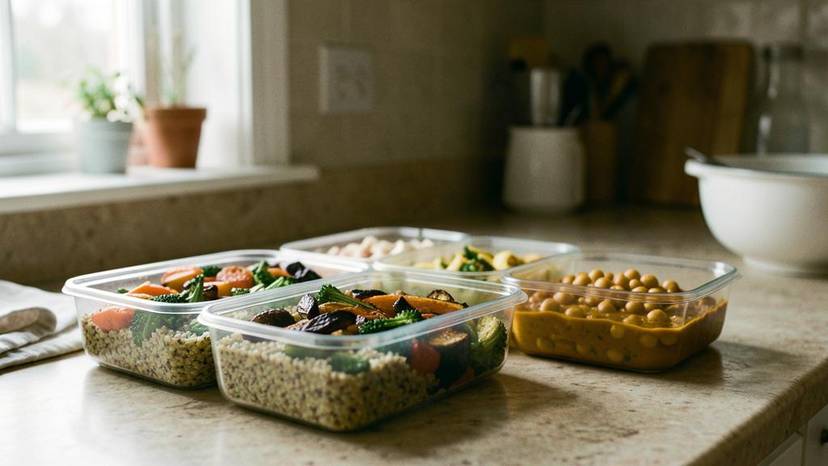
Cool cooked food quickly before storing to prevent bacterial growth. Use glass or steel containers with airtight lids. In the fridge, most cooked meals last 3–4 days; in the freezer, they can last up to 3 months. Label each container with the date and contents using a reusable chalk label or a piece of paper tape.
For freezing, use glass jars (leave 1-inch headspace) or silicone bags like Stasher. Avoid plastic cling film — use beeswax wraps or simply place a plate on top. In Gujarat's hot climate, proper storage is crucial to avoid spoilage, and you'll reduce food waste by up to 30% (FAO, 2024).
Food Waste Reduction with Meal Prep (India, 2020-2025)
The chart above shows how meal prep and zero-waste practices have reduced household food waste in urban India over five years, according to the Food Waste Index Report 2024 (UNEP). This trend is driven by increased awareness and the availability of sustainable storage options.
What Are the Best Plant-Based Recipes for Batch Cooking?
Opt for recipes that are forgiving and taste better the next day. Gujarati favorites like undhiyu (though traditionally made with some dairy, you can make a vegan version), dal dhokli, and vegetable handvo are excellent. They are hearty, nutritious, and freeze well.
Here's a simple weekly menu: Monday — dal khichdi with ghee (use coconut oil for vegan); Tuesday — chana masala with rice; Wednesday — vegetable pulao; Thursday — rajma curry with millet rotis; Friday — stir-fried tofu and vegetables; Saturday — lentil soup with bread; Sunday — leftover buffet.
Top 5 Batch-Cooking Recipes
- Dal Khichdi with vegetables
- Chana Masala (chickpea curry)
- Vegetable Pulao with brown rice
- Rajma (kidney bean) curry
- Masoor dal (red lentil) soup
How to Save Money and Reduce Energy with Meal Prep
Cooking in bulk uses less energy than cooking multiple times. A pressure cooker is 50% more efficient than a traditional pot, and using a gas stove with a flame spreader can save up to 20% gas (BEE India, 2024). Additionally, buying in bulk reduces packaging costs, saving you ₹500–1,000 per month on groceries.
In Gujarat, where electricity tariffs average ₹6–8 per unit, batch cooking can cut your monthly kitchen energy bill by ₹200–400. Over a year, that's ₹2,400–4,800 saved — enough to buy a high-quality steel tiffin set. Plus, you're reducing your carbon footprint by approximately 40 kg of CO2 annually (EcoSattva, 2024).
“Meal prep is not just about food; it's a statement against the wasteful, cruel systems that dominate our food industry. Every container you pack is a vote for a compassionate world.”
Frequently Asked Questions
Is meal prep without plastic really possible in Gujarat?
Yes, absolutely. Gujarat has a strong tradition of using steel tiffins and cloth bags. By shopping at local markets and bulk stores, and using glass or steel containers at home, you can eliminate almost all plastic from your meal prep routine. The key is to plan ahead and always carry your reusable kit.
How long do prepped plant-based meals last in the fridge?
Most cooked plant-based meals last 3–4 days in the refrigerator when stored in airtight glass or steel containers. To extend shelf life, freeze them; frozen meals keep for up to 3 months. Always reheat thoroughly to above 75°C to ensure safety (FSSAI guidelines, 2024).
What are the cheapest plant-based proteins for batch cooking in India?
Lentils (dal), chickpeas (chana), kidney beans (rajma), and split peas (toor dal) are the most affordable plant-based proteins, costing ₹80–150 per kg. They are high in protein and fiber, and they store well. Tofu and tempeh are pricier but still economical compared to meat.
How can I avoid food waste during meal prep?
Plan your menu around ingredients you already have, buy only what you need, and use vegetable scraps to make broth. Store leftovers properly and label them. According to UNEP's Food Waste Index 2024, meal prep can reduce household food waste by up to 30%, saving both money and resources.
Does meal prep help reduce animal suffering?
Indirectly, yes. By preparing plant-based meals in advance, you're more likely to stick to a vegan diet, reducing demand for dairy and meat products. Gujarat's dairy industry relies on cows kept in conditions that cause lameness and mastitis (Animal Welfare Board of India, 2022). Every plant-based meal you eat reduces that demand.
What are the best eco-friendly storage containers available in India?
Brands like Milton, Borosil, and Cello offer stainless steel and glass containers with airtight lids. For freezer-safe options, look for borosilicate glass jars or silicone bags from Stasher (available online). These are durable, easy to clean, and free from harmful chemicals like BPA.
Key Takeaways
- Plan a weekly menu using local grains and pulses
- Invest in steel and glass containers for plastic-free storage
- Shop at bulk stores and farmers' markets with cloth bags
- Batch cook staples like dal and rice to save time and energy
- Store meals properly to reduce food waste and save money
By adopting this system, you join a growing movement of Gujarati households that are rejecting plastic, supporting local farmers, and standing up against the cruelty of factory farming. Your meal prep is more than just food — it's a daily act of compassion and sustainability.
સંબંધિત વિષયો