How to Run a Compassionate Animal Sanctuary in Gujarat on a Budget in 30 Days
Learn how to start a compassionate animal sanctuary in Gujarat on a budget, with step-by-step guidance, legal basics, and cost-saving tips for animal lovers in 30 days.
Short answer: Starting a compassionate animal sanctuary in Gujarat on a budget is possible in 30 days if you focus on legal registration, low-cost shelter construction, community partnerships, and a clear animal-care plan. With an average starting cost of ₹1.5–3 lakh (excluding land), you can provide refuge for cows, dogs, and goats. This guide covers every step—from permits to fundraising—so you can begin rescuing animals with confidence and compassion.
Animal sanctuaries are not just shelters; they are places where rescued animals live out their lives with dignity, free from exploitation. In Gujarat, where dairy farming is deeply entrenched and stray animals often suffer on streets, the need for ethical sanctuaries is urgent. According to a 2024 report by the Animal Welfare Board of India (AWBI), over 40% of stray animals in urban Gujarat lack adequate shelter and care. A sanctuary can change that, one animal at a time.
Step 1: Define Your Sanctuary's Mission and Species Focus
Before you buy land or raise funds, you must decide which animals you will care for. Are you focusing on cows rescued from slaughter, injured street dogs, or abandoned goats? Defining your mission helps you allocate resources efficiently and avoids overcommitting. For instance, cows require more space and fodder than dogs, so your budget and land needs will differ.
Example: In Ahmedabad, the nonprofit 'Gau Seva Abhiyan' started by focusing exclusively on injured cows from the outskirts. Within two years, they expanded to goats and dogs after establishing a network of volunteers and donors. Their initial budget was just ₹1.8 lakh, covering fencing, basic shelters, and medical supplies.
Questions to ask before starting:
- What species will you rescue? (cows, dogs, goats, birds)
- How many animals can you realistically care for in the first 6 months?
- Do you have land, or will you lease/purchase?
- What is your monthly budget for feed, veterinary care, and staff?
- Are there existing local NGOs you can partner with?
Step 2: Understand Gujarat's Legal Requirements for Animal Sanctuaries
In India, running an animal sanctuary requires registration under the Societies Registration Act, 1860, or as a trust, and you must obtain approval from the Animal Welfare Board of India (AWBI). Additionally, the Prevention of Cruelty to Animals Act, 1960, mandates that you provide adequate food, water, and shelter. In Gujarat, the Gujarat Animal Welfare Board (GAWB) also requires annual inspections and a 'No Objection Certificate' from the local municipality.
Example: In Surat, the 'Jivdaya Charitable Trust' registered under the Bombay Public Trusts Act and obtained AWBI recognition before opening their doors. The process took 45 days, but they started with temporary shelters while paperwork was pending. They advise future sanctuaries to start legal work early to avoid delays.
| Legal Document | Authority | Estimated Cost | Timeframe |
|---|---|---|---|
| Society/Trust Registration | District Registrar, Gujarat | ₹5,000–₹10,000 | 15–30 days |
| AWBI Recognition | Animal Welfare Board of India | ₹2,000–₹5,000 | 30–60 days |
| Municipal NOC | Ahmedabad/Surat/Vadodara Municipal Corporation | ₹1,000–₹3,000 | 10–20 days |
| GST Registration (if applicable) | GST Office | ₹500 (online) | 5–7 days |
| Local Police Clearance | Local Police Station | ₹0–₹500 | 7 days |
Key legal terms you must know
The Prevention of Cruelty to Animals Act, 1960, is the primary law protecting animals in India. It defines an 'animal shelter' as a place where animals are housed and cared for, and it mandates that shelters must be registered with AWBI. The act also prohibits neglect, which means you must provide regular veterinary care, clean living conditions, and freedom from pain and distress.
Step 3: Secure Land and Build Low-Cost Shelters
Land is the biggest expense. In rural Gujarat, agricultural land can be leased for ₹10,000–₹20,000 per acre per year, while peri-urban areas cost more. Instead of buying, lease land for the first few years. For shelters, use local materials like bamboo, corrugated metal sheets, and mud bricks—these are cost-effective and weather-resistant. A 10×10 ft shelter for cows costs about ₹15,000, while a dog kennel can be built for ₹2,000.
Example: The 'Shree Amba Gau Seva Dham' in Mehsana built their entire shelter complex for ₹2.5 lakh using second-hand tin sheets and recycled wood. They also used solar panels (subsidised by the Gujarat government) to power lighting and water pumps, cutting energy costs by 60%.
Budget-friendly shelter construction materials:
- Bamboo poles (₹150–₹300 per pole)
- Corrugated tin sheets (₹300–₹500 per sheet)
- Mud bricks (₹5–₹10 per brick)
- Cement bags (₹350–₹500 per bag)
- Recycled wood pallets (free from local factories)
Water and sanitation essentials
Animals need clean water and hygiene. Install a borewell (cost: ₹50,000–₹1 lakh) or connect to the local municipal supply. Use eco-friendly disinfectants like neem oil and vinegar to clean shelters. For manure, implement a composting system—this can later be sold as organic fertiliser to fund your sanctuary.
Step 4: Recruit and Train Volunteers and Staff
Running a sanctuary requires a team. You need at least 2–3 dedicated staff for daily feeding and cleaning, plus volunteers for administrative tasks. In Gujarat, you can recruit from local colleges—students from veterinary science programs at institutions like the College of Veterinary Science and Animal Husbandry in Anand are often eager to help. Offer them internships or certificates to attract volunteers.
Example: The 'Animal Help Foundation' in Vadodara partners with a local veterinary college, providing students with practical experience in exchange for weekly check-ups. This saves ₹10,000–₹15,000 per month in veterinary fees.
“A sanctuary is not just a shelter; it's a statement that every animal deserves a life free from fear and pain. Start small, but start with love.”
Step 5: Develop a Sustainable Food and Care Plan
Feeding is the recurring cost. For cows, green fodder costs ₹10–₹15 per kg, and a cow eats 20–30 kg per day. To cut costs, grow your own fodder—napier grass and alfalfa are ideal in Gujarat's climate. For dogs, partner with local food banks or collect leftover food from restaurants (with permission). Always ensure a balanced diet; consult a veterinarian for species-specific needs.
Example: The 'Pashu Seva Kendra' in Rajkot grows 1 acre of napier grass, which feeds 40 cows for 8 months, saving ₹80,000 annually. They also collect vegetable waste from local markets, which reduces feed costs by another 30%.
| Species | Daily Feed Quantity | Monthly Cost (₹) |
|---|---|---|
| Cow (adult) | 25 kg green fodder + 2 kg dry fodder | 3,500–4,500 |
| Dog (medium) | 400g dry food + supplements | 1,200–1,800 |
| Goat (adult) | 3 kg green fodder + 0.5 kg grains | 800–1,200 |
| Cat (adult) | 200g dry food | 600–900 |
Medical care on a budget
Vaccinations and deworming are essential. In Gujarat, the government's livestock department offers free vaccination camps for cattle, and many NGOs provide subsidised treatment for street dogs. Budget ₹300–₹500 per animal per month for routine care, but have an emergency fund of at least ₹10,000 for unexpected surgeries or injuries.
Step 6: Fundraise and Build Community Support
Fundraising is the lifeline of any sanctuary. Start with a crowdfunding campaign on platforms like Ketto or Milaap, which are popular in India. Additionally, approach local businesses—Gujarati businesses are known for philanthropy, especially for cow protection. You can also organise adoption drives, donation camps, and awareness events in schools and colleges.
Example: The 'Gujarat Animal Care Trust' raised ₹3 lakh in 30 days through a combination of Ketto crowdfunding and corporate donations from a local textile mill. They offered naming rights for individual animals to donors, which boosted engagement.
Creative fundraising ideas:
- Sponsor-an-animal program (₹500/month for dogs, ₹1,500 for cows)
- Host a vegan food festival in Ahmedabad or Vadodara
- Sell handmade eco-friendly products (e.g., recycled paper, natural soaps)
- Partner with local gaushalas for corporate CSR funding
- Organise school field trips with a small fee
Step 7: Create a 30-Day Action Plan and Launch
With a clear plan, you can launch within 30 days. Week 1: finalise legal registration and lease land. Week 2: build basic shelters and install water supply. Week 3: recruit volunteers and start feeding routines. Week 4: invite local officials and media for a launch event, and begin rescuing your first animals.
| Week | Tasks | Estimated Cost (₹) |
|---|---|---|
| Week 1 | Legal registration, land lease, basic fencing | 50,000–80,000 |
| Week 2 | Shelter construction, water installation | 40,000–70,000 |
| Week 3 | Feed and medical supplies, volunteer training | 20,000–30,000 |
| Week 4 | Launch event, first rescues, PR | 10,000–20,000 |
Checklist for a successful launch
Your 30-day startup checklist:
- ✓Registered as a society or trust under Gujarat law
- ✓Obtained AWBI recognition (or applied)
- ✓Leased or purchased land with access to water
- ✓Built at least 5 basic shelters
- ✓Arranged feed for the first month
- ✓Recruited at least 5 volunteers and 1 vet partner
- ✓Set up a bank account and online donation page
- ✓Launched a social media presence
Step 8: Address Common Challenges and Troubleshoot
Every sanctuary faces hurdles—funding gaps, disease outbreaks, or neighbour complaints. The key is to stay flexible. If funds run low, reduce intake temporarily and focus on existing animals. For disease prevention, maintain strict hygiene and quarantine new arrivals. For community relations, hold an open day to show your work and address concerns.
Frequently Asked Questions
Is it legal to run an animal sanctuary from home in Gujarat?
Running a sanctuary from your residence is generally not allowed unless you have adequate space and comply with local zoning laws. In Gujarat, you must register with the AWBI and obtain municipal permission. For small rescues (1–2 animals), you can provide temporary care, but for regular operations, a dedicated facility is required.
How much does it cost to start an animal sanctuary in Gujarat?
The initial cost ranges from ₹1.5 lakh to ₹3 lakh, covering legal fees, land lease, basic shelters, and initial feed. Monthly operating costs for a small sanctuary (50 animals) are around ₹1–1.5 lakh, depending on species and location. With community support and fundraising, many sanctuaries break even within 6 months.
Can I get government funding for an animal sanctuary in Gujarat?
Yes, the Gujarat government offers grants for animal welfare through the Department of Animal Husbandry, especially for cattle shelters (gaushalas). The AWBI also provides financial assistance for shelter construction and medical camps. However, these grants are competitive—you need proper registration and a track record. Start with private crowdfunding and apply for grants after your first year.
What are the biggest differences between an animal shelter and a sanctuary?
A shelter typically focuses on temporary housing and adoption, while a sanctuary provides lifelong care, often for animals that are not adoptable due to age, injury, or trauma. Sanctuaries prioritise the animals' wellbeing over placement, offering a safe haven until natural death. This ethical distinction is central to compassionate animal advocacy.
How do I handle a sick animal without a full-time vet?
Build a relationship with a local vet before you need them. In Gujarat, many vets offer emergency services for NGOs at discounted rates. Additionally, train a staff member in basic first aid, such as wound cleaning and administering medications. Always have a first-aid kit stocked with antiseptics, bandages, and fever medication, and know your nearest veterinary hospital's contact.
Key Takeaways
Key takeaways
- Define your species focus and mission clearly.
- Complete legal registration with AWBI and Gujarat authorities.
- Lease land and build shelters using local, low-cost materials.
- Recruit volunteers and partner with local vets for cost-effective care.
- Fundraise through crowdfunding, CSR, and community events.
- Follow a 30-day action plan to launch efficiently.
સંબંધિત વિષયો
સંબંધિત
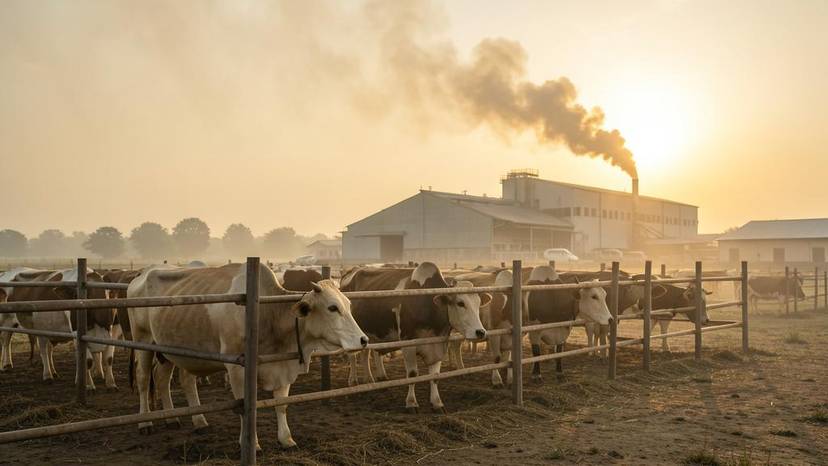
પ્રાણી અધિકારો અને જળવાયુ નીતિ: ગુજરાતમાં પશુપાલનની અસર પર એક મુલાકાત
પશુપાલન, જળવાયુ પરિવર્તન અને પ્રાણી અધિકારોના આંતરસંબંધ પર ગુજરાતના નિષ્ણાત સાથેની વાતચીત, જેમાં નીતિ અને સ્થાનિક પગલાંની ચર્ચા છે.
6 મિનિટ વાંચન
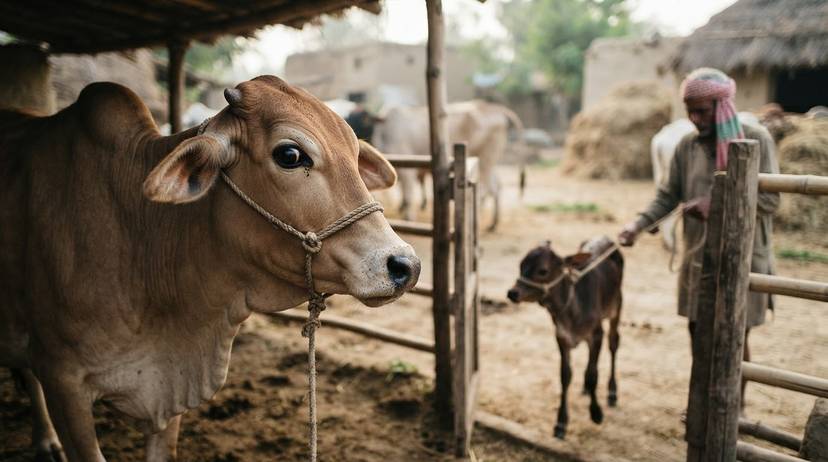
ગાયના વાછરડા સાથેના છ સેકન્ડ: ડેરી ઉદ્યોગની કરુણ વાસ્તવિકતા અને નૈતિક પડકારો
ડેરી ઉદ્યોગમાં ગાય અને તેના વાછરડા વચ્ચેના છ સેકન્ડના સંબંધની કરુણ વાસ્તવિકતા અને તેના નૈતિક પડકારો વિશે આ વિસ્તૃત મુલાકાતમાં ઊંડાણપૂર્વક ચર્ચા કરવામાં આવી છે.
8 મિનિટ વાંચન

શું કેદમાં રહેલા ડોલ્ફિન અને વ્હેલને ભારતના કાયદા હેઠળ સુરક્ષા મળશે?
ભારતમાં કેદમાં રહેલા ડોલ્ફિન અને વ્હેલના અધિકારો વિશે જાણો, અને વર્તમાન કાયદા તેમને કેવી રીતે સુરક્ષિત કરે છે.
6 મિનિટ વાંચન