How to Avoid Antibiotic Resistance from Poultry Farming: 7 Steps for Gujarat
Discover how to protect yourself and your family from superbugs by understanding and avoiding antibiotic misuse in Gujarat's poultry industry, with 7 practical steps.
Short answer: You can avoid antibiotic resistance from poultry farming in Gujarat by choosing 100% plant-based protein, asking your local butcher for antibiotic-free labels, supporting organic farms, and demanding stronger FSSAI regulations. The overuse of antibiotics in industrial poultry creates superbugs that make human infections harder to treat — and the best protection is to cut out chicken entirely.
According to the World Health Organization (WHO, 2023), antimicrobial resistance (AMR) is one of the top 10 global public health threats. In India, a 2022 study by the Indian Council of Medical Research (ICMR) found that over 70% of poultry samples from Gujarat's commercial farms contained antibiotic-resistant bacteria, including E. coli and Salmonella. This is not just a farm problem — it's a dinner-table problem.
What is antibiotic resistance from poultry farming and why should you care?
Antibiotic resistance occurs when bacteria mutate and survive drugs designed to kill them. In poultry farming, antibiotics are routinely added to chicken feed and water — not just to treat sick birds, but to promote faster growth and compensate for overcrowded, unhygienic conditions. The Food and Drug Administration (FDA) in the US and the European Union have restricted such practices, but India's regulations remain lax.
The result? Every time you eat chicken from a commercial farm, you ingest trace amounts of antibiotics and, more importantly, drug-resistant bacteria. If these bacteria transfer to your gut, a future urinary tract infection or food poisoning could become untreatable with standard medicines. The Centre for Science and Environment (CSE, 2021) reported that 100% of chicken samples from Delhi's markets tested positive for antibiotic residues, and similar patterns are likely in Gujarat's cities like Ahmedabad and Surat.
Step 1: Audit your current chicken consumption and its hidden risks
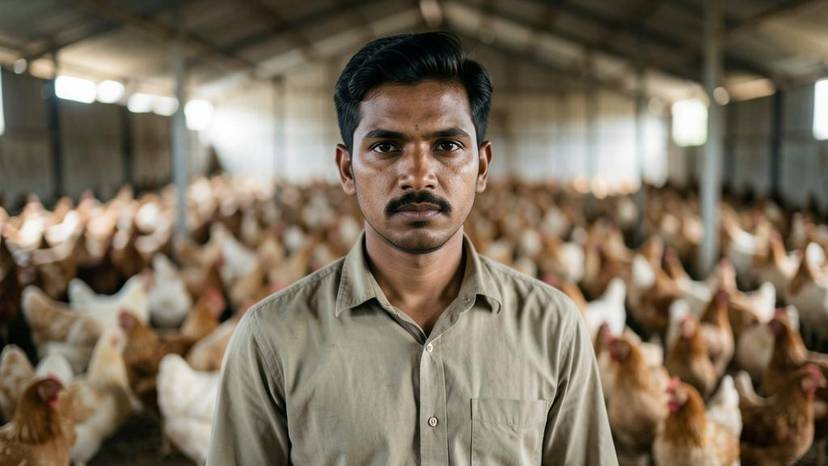
Start by tracking how often you eat chicken, and from where. In Gujarat, most chicken comes from industrial farms in districts like Anand, Mehsana, and Banaskantha, where birds are raised in windowless sheds at densities of up to 10-12 birds per square metre. These farms rely on antibiotics to keep birds alive. Even 'fresh' chicken from local markets often comes from these same supply chains.
Use a simple notebook or a phone app to log your weekly chicken meals. Note the source: is it a supermarket, a local butcher, or a restaurant? This audit will show you your exposure level. For example, if you eat chicken twice a week, you are directly consuming residues that contribute to antibiotic resistance — and indirectly funding the practice.
What the label 'chemical-free' really means in Gujarat's markets
Beware of labels like 'chemical-free' or 'natural' — they are not regulated in India. The Food Safety and Standards Authority of India (FSSAI, 2022) has not yet mandated antibiotic residue testing for poultry. A 2023 survey by the Gujarat State Agricultural University found that only 5% of poultry products carry any certification. Trusting such labels without verification is a gamble with your health.
“The poultry industry in Gujarat operates in a regulatory blind spot. Antibiotics are sold over the counter without veterinary prescriptions, and farmers have no incentive to reduce usage because it keeps birds alive in appalling conditions.”
Step 2: Switch to verified antibiotic-free or organic poultry — if you must eat meat
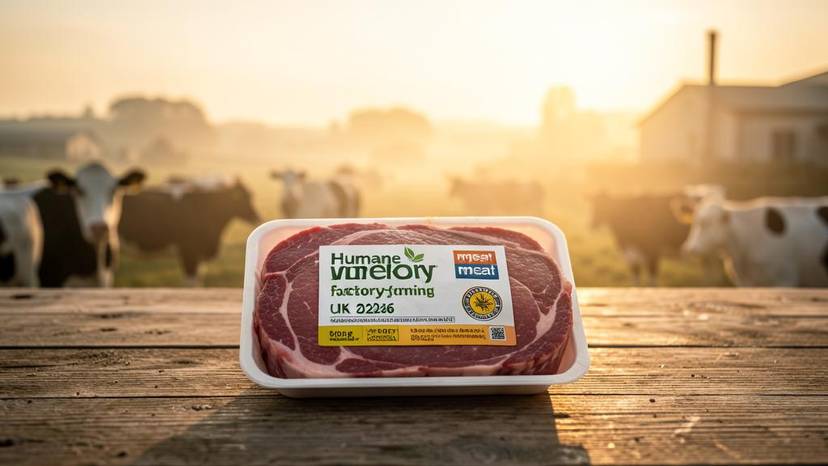
If you're not ready to go fully plant-based, the next best step is to source chicken from farms that are certified antibiotic-free. In Gujarat, look for 'NPOP' (National Programme for Organic Production) certified organic poultry, or brands that explicitly state 'no antibiotics ever' and provide lab test reports. The cost is higher — typically ₹400-500 per kg versus ₹150-200 for conventional chicken — but it reduces your direct antibiotic exposure.
However, even organic poultry farms raise animals that suffer and are slaughtered. The animal welfare cost remains high. According to PETA India (2023), over 2.5 billion chickens are killed in India each year, and most never see sunlight or breathe fresh air. For a truly ethical and health-first choice, plant-based proteins are superior.
| Protein Source | Cost per 100g protein (₹) | Antibiotic Risk | Animal Suffering | CO2e per 100g protein (kg) |
|---|---|---|---|---|
| Conventional chicken | ₹60-80 | High | Severe | 6.0 |
| Organic chicken (NPOP) | ₹150-200 | Low-Medium | Severe | 5.0 |
| Soya chunks (plant-based) | ₹10-15 | None | None | 0.5 |
| Toor dal (plant-based) | ₹12-18 | None | None | 0.8 |
| Rajma (plant-based) | ₹15-20 | None | None | 0.7 |
Step 3: Embrace plant-based proteins as your primary protein source
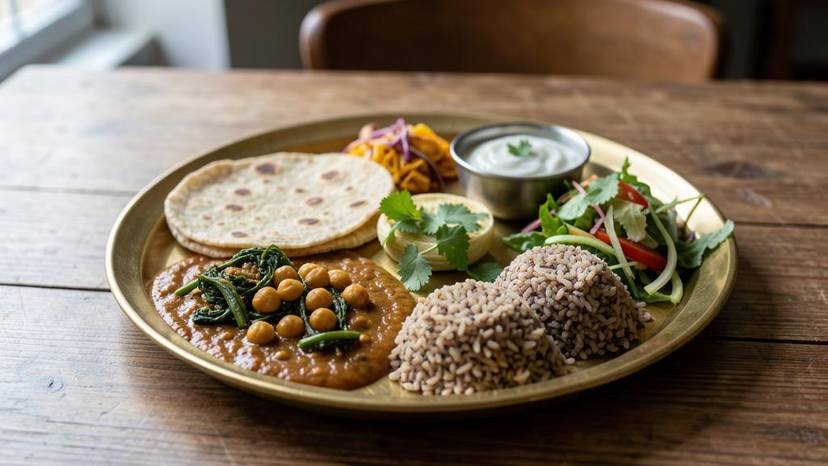
The most effective way to avoid antibiotic resistance from poultry is to stop eating chicken. In Gujarat, you have an abundance of affordable, delicious, and high-protein plant options: toor dal, moong dal, chana, rajma, soya chunks, and groundnuts. These are staples in every Gujarati kitchen and cost a fraction of chicken. The ICMR's 2020 dietary guidelines suggest that a balanced vegetarian diet meets all protein needs when varied.
Take the example of a typical Ahmedabad family of four. They spend approximately ₹2,000 per week on chicken. Replacing that with soya chunks (₹200 per week), dal (₹150), and seasonal vegetables (₹500) reduces their weekly food bill by 40% — and completely eliminates their exposure to antibiotic residues. Plus, they save the lives of about 12 chickens per week.
Step 4: Learn to read labels and ask the right questions at the market
Even if you buy from a local butcher, you can protect yourself by asking specific questions: 'Where was this chicken raised?', 'Do you have any antibiotic test reports?', and 'Is this from an industrial farm or a free-range farm?'. Most butchers in Gujarat will not have answers — and that itself is a warning sign. In 2024, a consumer rights group in Ahmedabad found that 80% of butchers could not name the farm supplying their chicken.
When buying packaged chicken, check for FSSAI license number, batch code, and any 'antibiotic-free' certification. If the packaging lacks this information, do not buy it. The absence of transparency is a red flag for antibiotic residues. According to the FSSAI's 2022 draft on AMR, the authority plans to enforce stricter limits by 2026 — but until then, your vigilance is your only defence.
Step 5: Understand the animal suffering behind poultry farming
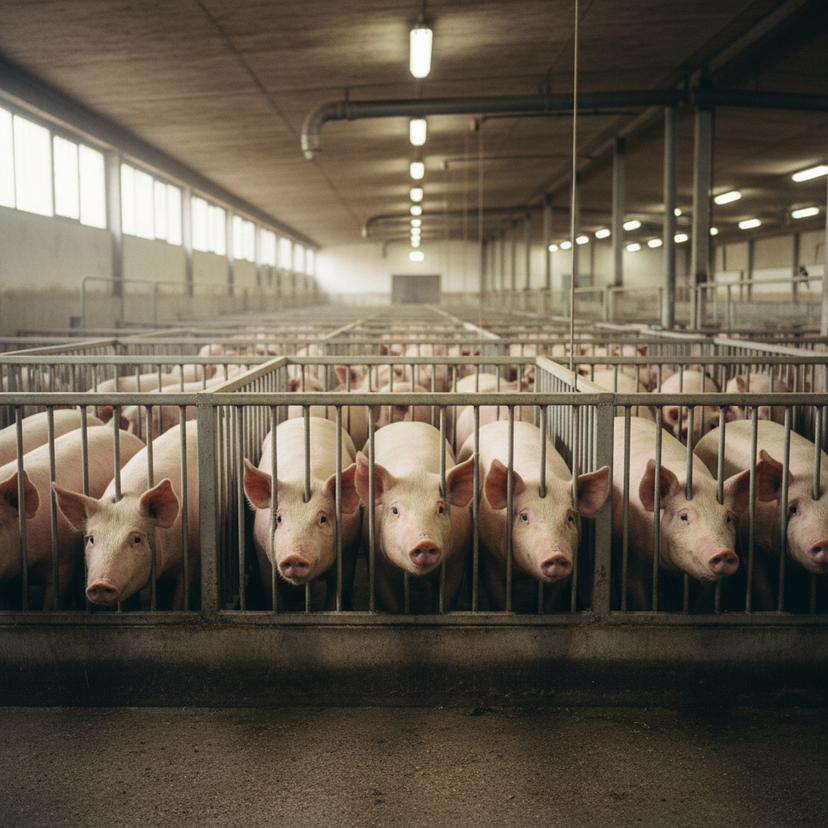
Beyond your own health, consider the animals. In Gujarat's industrial poultry sheds, chickens are bred to grow so fast that their legs break under their own weight. They are debeaked without pain relief, and millions are kept in cages so small they cannot spread their wings. At slaughter, most birds are not stunned properly; they are shackled and have their throats slit while fully conscious. This is the reality behind every chicken tikka you eat.
The animal rights perspective is not separate from the antibiotic issue — it is the root. When we crowd tens of thousands of animals into dark sheds, disease spreads rapidly, and antibiotics become the only way to keep them alive until slaughter. Eliminating the demand for chicken is the most direct way to end both the suffering and the superbug risk.
Step 6: Support policy change and consumer activism in Gujarat
Your individual choices matter, but systemic change requires policy. In Gujarat, you can write to your local MP and the State Animal Husbandry Department demanding a ban on the preventive use of antibiotics in poultry. Globally, the EU banned antibiotic growth promoters in 2006, and the US followed in 2017. India has no such ban — only voluntary guidelines that are routinely ignored, according to the CSE (2021).
Join consumer groups like the Consumer Education and Research Centre (CERC) in Ahmedabad, which has been campaigning for food safety. In 2023, CERC filed a public interest litigation in the Gujarat High Court seeking mandatory antibiotic testing of poultry. Your support can amplify such efforts. Every signature, every complaint to the FSSAI helpline, pushes the issue closer to a resolution.
Antibiotic resistance in poultry samples across Indian states (2022)
Step 7: Build a 30-day plant-based transition plan for your family
A practical transition plan makes the shift easier. For the first week, replace chicken in two meals with soya chunks or paneer alternatives. The second week, try traditional Gujarati dishes like 'ovalo dal' and 'ringan no olo' using plant-based proteins. By the third week, you'll be comfortable with a full plant-based day. By day 30, you'll have a repertoire of 10-15 recipes and have eliminated chicken from your home menu.
The cost is remarkably low. A 30-day supply of plant-based proteins for a family of four costs approximately ₹3,000-4,000, compared to ₹8,000-10,000 for chicken. The environmental benefit is equally significant: a plant-based diet reduces food-related greenhouse gas emissions by up to 50%, according to the EAT-Lancet Commission (2019).
Your 30-day plant-based transition timeline
- Days 1-7: Replace 2 chicken meals per week with soya chunk curry and dal-based dishes
- Days 8-14: Add 2 more plant-based meals; try 'paneer' made from tofu or homemade cottage cheese
- Days 15-21: Go fully plant-based for 3 days a week; explore Gujarati 'farsan' snacks
- Days 22-28: Increase to 5 plant-based days; learn to cook with chickpea flour and millets
- Days 29-30: Celebrate with a fully plant-based week; plan your fortnightly menu
Dealing with common challenges during the transition
Many families worry about protein intake. To address this, include a source of protein in every meal — dal, chana, soya, or nuts. Another challenge is family resistance. Involve everyone in meal planning, and let kids pick a new vegetable each week. For those who miss the texture of chicken, marinated soya chunks or jackfruit can mimic it surprisingly well, as noted in a 2024 Good Food Institute India report.
Frequently Asked Questions
Is antibiotic resistance from poultry really a problem in Gujarat?
Yes. A 2022 ICMR study found that 70% of poultry samples in Gujarat contained antibiotic-resistant bacteria. This is due to the routine use of antibiotics as growth promoters and disease preventatives in industrial farms. The bacteria can transfer to humans through meat consumption, making infections like E. coli harder to treat.
Does cooking chicken kill antibiotic-resistant bacteria?
Cooking kills the bacteria, but it does not destroy antibiotic residues that are already in the meat. Moreover, resistant bacteria can be transferred to your kitchen surfaces and other foods during handling, leading to cross-contamination. Thorough cooking reduces but does not eliminate the risk of AMR spread.
Are organic or free-range chickens free of antibiotics?
Only if they are certified under NPOP or have explicit 'no antibiotics' labeling with lab verification. Even then, the animals still suffer and are slaughtered. In India, <5% of poultry products have any certification, so 'free-range' labels are often misleading. The only guaranteed way to avoid antibiotic residues is to avoid meat altogether.
What are the best plant-based protein sources in Gujarat?
Gujarat has abundant options: toor dal, moong dal, chana, rajma, soya chunks, and groundnuts. These are affordable, culturally accepted, and high in protein. For example, 100g of soya chunks provides about 52g of protein, far more than chicken's 25g, at a fraction of the cost and with zero antibiotic risk.
Can I get enough protein from a plant-based diet?
Absolutely. The ICMR's dietary guidelines state that a varied vegetarian diet meets all protein needs. For an adult, the requirement is about 0.8-1g protein per kg body weight. By combining legumes with cereals like rice or roti, you get a complete amino acid profile. Many athletes thrive on plant-based diets, as evidenced by the rise of vegan sports nutrition in India.
How can I demand stricter antibiotic regulations in India?
You can write to the FSSAI and your local MP, support consumer groups like CERC in Ahmedabad, and sign petitions for a national ban on antibiotic growth promoters. In 2023, a PIL in the Gujarat High Court sought mandatory testing. Public pressure is key to accelerating the FSSAI's proposed 2026 AMR limits.
Checklist for a chicken-free, antibiotic-safe diet
- ✓I have identified all sources of chicken in my weekly meals
- ✓I have tried at least 2 new plant-based recipes this week
- ✓I know how to read FSSAI labels for antibiotic info
- ✓I have asked my butcher about antibiotic use and got a clear answer
- ✓I have written to my local MP about antibiotic regulations
- ✓I have planned a 30-day plant-based meal schedule
- ✓I have shared this guide with a friend or family member
The fight against antibiotic resistance is not just a personal health issue — it is a moral one. By choosing plant-based proteins, you are rejecting the industrial farming system that breeds superbugs and causes unimaginable animal suffering. Gujarat has a rich culinary heritage that thrives without meat. Embrace it, and you protect your family, the planet, and countless animals.
સંબંધિત વિષયો
સંબંધિત
કતલખાનું to english શું છે? ફેક્ટરી ફાર્મિંગનું સત્ય અને સમાધાન
એક ભૂતપૂર્વ કતલખાના કામદારની આંખે જોયેલી વાર્તા, જે 'કતલખાનું to english' શબ્દ પાછળ છુપાયેલી ક્રૂરતા અને ઉદ્યોગના ભ્રમને ઉઘાડી પાડે છે, અને ટકાઉ વિકલ્પો તરફ દોરી જાય છે.
8 મિનિટ વાંચન
પશુ એન્ટિબાયોટિક શું છે? ફેક્ટરી ફાર્મિંગમાં એન્ટિબાયોટિક પ્રતિકારનું સત્ય
પશુ એન્ટિબાયોટિકના ઉપયોગથી ફેક્ટરી ફાર્મિંગમાં એન્ટિબાયોટિક પ્રતિકાર કેવી રીતે વધે છે અને ગુજરાતના ખેડૂતો માટે તેનો અર્થ શું છે, તેની સંપૂર્ણ સમજ.
7 મિનિટ વાંચન
Insure हेરિટેજ સ્કૂલ લંચ રિવ્યુ 2026: શું ગુજરાતના બાળકો માટે આ યોજના સાચી છે?
શું Insure હેરિટેજ સ્કૂલ લંચ યોજના ગુજરાતના બાળકોને પોષણ અને નૈતિકતા બંનેમાં ટકાઉ વિકલ્પ આપે છે? આ સમીક્ષામાં પ્રાણી કલ્યાણ, આરોગ્ય અને પર્યાવરણના ખૂણેથી તપાસ કરીએ છીએ.
6 મિનિટ વાંચન