How to Protect Coral Reefs in Gujarat: 7 Steps to Save Marine Life in 2026
A practical 7-step guide to protect coral reefs in Gujarat, covering local threats, sustainable seafood choices, and policy action for ocean conservation.
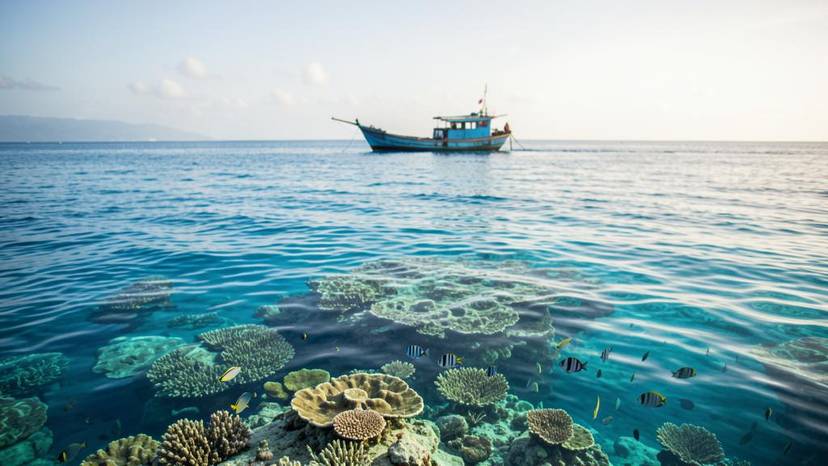
ટૂંકો જવાબ: Protecting coral reefs in Gujarat requires reducing local pollution, choosing sustainable seafood, supporting marine protected areas, and advocating for stronger enforcement. Coral reefs cover less than 1% of the ocean floor but support 25% of marine life; in Gujarat, reefs like those in the Gulf of Kutch face threats from trawling, industrial discharge, and climate change. Start with these 7 steps to make a real difference in 2026.
Step 1: Understand Why Coral Reefs in Gujarat Are Dying
Coral reefs are living ecosystems built by tiny animals called polyps. They provide habitat for thousands of species, protect coastlines from storms, and support fishing livelihoods. In Gujarat, the Gulf of Kutch Marine National Park is the first marine sanctuary in India, established in 1982, with over 40 coral species. However, a 2023 study by the Gujarat Ecological Education and Research Foundation (GEER) found that coral cover declined by 30% in the last decade due to rising sea temperatures, sedimentation, and destructive fishing practices.
When corals experience stress from warmer water or pollution, they expel the algae living in their tissues, turning white—this is called bleaching. If stress persists, corals die. In 2020, the Gulf of Kutch saw a severe bleaching event affecting 60% of corals, as reported by the Central Marine Fisheries Research Institute (CMFRI). Understanding these causes helps target actions effectively.
What Are the Main Threats in Gujarat?
Top 5 Threats to Coral Reefs in Gujarat
- Bottom trawling for fish destroys coral structures and stirs up sediment.
- Industrial discharge from ports like Kandla and Mundra pollutes water with chemicals.
- Climate change raises sea temperatures, causing mass bleaching events.
- Overfishing removes herbivorous fish that keep algae from smothering corals.
- Coastal development and dredging for shipping increase turbidity and smother reefs.
Step 2: Reduce Your Seafood Footprint by Choosing Plant-Based Alternatives
One of the most direct ways individuals can protect coral reefs is by reducing demand for overfished species. In Gujarat, popular fish like pomfret and shrimp are often caught using bottom trawls, which scrape the seafloor and destroy coral habitats. By choosing plant-based seafood alternatives—such as those made from soy or chickpea protein—you lower pressure on wild fish populations. According to the Good Food Institute India (2025), the plant-based seafood market in India is growing by 20% annually, with products available in major cities like Ahmedabad and Surat.
“Every choice to eat plant-based seafood is a choice to let coral reefs recover. The ocean's ecosystems are interconnected; reducing fishing pressure gives corals a chance to regenerate.”
Even if you don't go fully plant-based, you can make a difference by avoiding reef-destructive species. Check if your seafood is certified by the Marine Stewardship Council (MSC) or ask your fishmonger about the fishing method. In Gujarat, the state fisheries department has banned bottom trawling within 5 nautical miles of the coast (Gujarat Fisheries Act, 2003), but enforcement is weak. Consumer pressure helps.
| Seafood Type | Fishing Method | Reef Impact | Plant-Based Alternative |
|---|---|---|---|
| Pomfret | Bottom trawl | High - destroys coral habitat | Soy-based pomfret fillets |
| Shrimp | Trawl nets | High - high bycatch of turtles | Chickpea-based shrimp |
| Sardines | Purse seine | Moderate - can deplete food chain | Jackfruit-based flakes |
| Mussels | Farmed | Low - but feed on wild plankton | Lentil-based patties |
| Tuna | Longline | High - bycatch of sharks | Wheat gluten-based steaks |
Step 3: Support Marine Protected Areas (MPAs) in Gujarat
Marine Protected Areas are designated zones where fishing and extraction are restricted to allow ecosystems to recover. Gujarat has the Gulf of Kutch Marine National Park, covering 162 km², but only 10% of it is fully protected from fishing, according to the Wildlife Institute of India (2024). Supporting MPAs means advocating for more no-take zones and better enforcement. You can write to the Gujarat Forest Department, participate in citizen science programs, or donate to NGOs like Wildlife Trust of India that work on marine conservation.
What Can You Do to Strengthen MPAs?
Checklist for Supporting MPAs
- ✓Visit the Gulf of Kutch Marine National Park as an eco-tourist (permits via forest department).
- ✓Join local beach clean-ups organized by NGOs like ReefWatch Marine Conservation.
- ✓Sign petitions demanding no-take zones in 30% of Gujarat's marine area.
- ✓Report any illegal trawling activity to the forest department helpline 1800-233-1010.
- ✓Educate local fishing communities about sustainable practices through workshops.
Step 4: Cut Down on Plastic Waste That Ends Up in the Ocean
Plastic pollution is a major threat to coral reefs because it can smother corals, introduce pathogens, and break down into microplastics that are ingested by marine life. In Gujarat, the state generates over 10,000 tonnes of plastic waste daily, and a significant portion reaches the Arabian Sea via rivers like the Sabarmati and Tapi (CPCB, 2024). By reducing single-use plastics—such as straws, bags, and bottled water—you directly reduce the plastic load on reefs. Choose reusable alternatives and support plastic-free businesses.
According to a 2025 study by the Indian Institute of Tropical Meteorology, microplastics have been found in 80% of fish sampled off the Gujarat coast, including species that live near coral reefs. This not only harms marine animals but also poses risks to human health through seafood consumption. Cutting plastic waste is a win-win for ocean and human health.
Simple Plastic Reduction Strategies
Easy Swaps to Reduce Ocean-Bound Plastic
- Carry a stainless steel water bottle instead of buying PET bottles.
- Use cloth bags for shopping, especially for vegetables and fish.
- Refuse plastic straws and cutlery at restaurants.
- Buy in bulk to reduce packaging waste.
- Participate in the 'Plastic-Free Gujarat' initiative by segregating waste at home.
Step 5: Advocate for Climate Action to Reduce Coral Bleaching
Climate change is the single biggest threat to coral reefs worldwide. Rising sea temperatures cause bleaching events, and even if local threats are reduced, global emissions must be cut. In Gujarat, you can advocate for renewable energy adoption—the state is already a leader in solar power, with over 10 GW installed capacity (IREDA, 2025). Support policies that phase out coal and promote offshore wind, which reduces ocean acidification.
Additionally, reducing your personal carbon footprint—by using public transport, eating less meat (especially beef), and conserving energy—contributes to lowering global warming. According to the IPCC (2022), even a 1.5°C increase will cause 70-90% of coral reefs to decline. Every tonne of CO2 avoided helps.
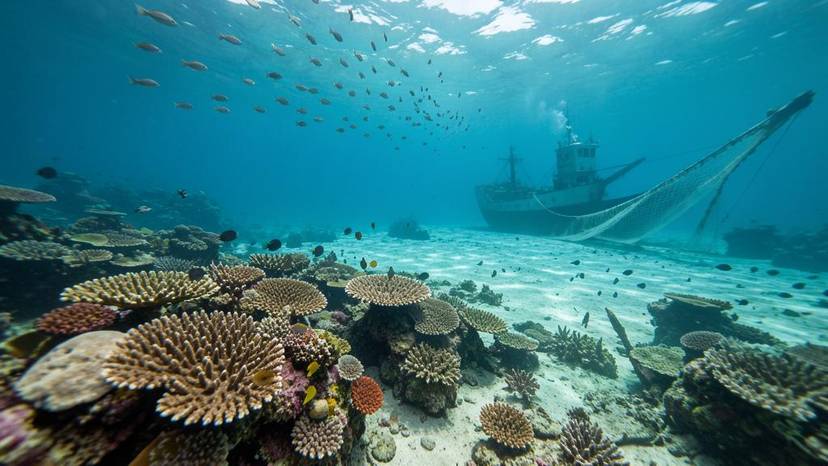
Projected Coral Decline vs. Climate Action Scenarios
Step 6: Participate in Citizen Science and Restoration Projects
Citizen science allows ordinary people to contribute to coral reef monitoring. In Gujarat, you can join the 'Reef Watch' program by the Gujarat Ecological Society, where volunteers are trained to survey coral health, record bleaching events, and identify fish species. This data is used by scientists to track reef health. Additionally, some NGOs are experimenting with coral restoration using 'coral nurseries'—growing fragments on structures and transplanting them to degraded reefs. While still small-scale, these projects need volunteers.
| Activity | Time Commitment | Tools Needed | Cost (₹) |
|---|---|---|---|
| Online training in reef monitoring | 2 hours | Computer/smartphone | 0 |
| Field survey at Gulf of Kutch | 1 weekend | Snorkel gear, slate, underwater camera | 500-1000 |
| Data entry and reporting | 1 hour/week | Laptop, internet | 0 |
| Coral nursery volunteer | Monthly | Gloves, mesh bags | 0 |
| Beach cleanup after monsoon | 3 hours | Gloves, garbage bags | 0 |
Even if you can't dive, you can support restoration by donating to organizations like the Coral Reef Research Centre in Porbandar, which has successfully restored 2 hectares of reef since 2020. They welcome financial contributions and awareness drives.
Step 7: Pressure Policymakers for Stronger Ocean Governance
Individual actions are essential, but systemic change requires policy. In 2026, India is reviewing its Coastal Regulation Zone (CRZ) rules, which determine what can be built near the coast. You can submit comments to the Ministry of Environment, Forest and Climate Change (MoEFCC) advocating for stricter pollution controls and mandatory environmental impact assessments for port expansions. Also, support the proposed 'Marine Protected Areas Network' under the National Biodiversity Action Plan, which aims to protect 10% of India's marine area by 2030.
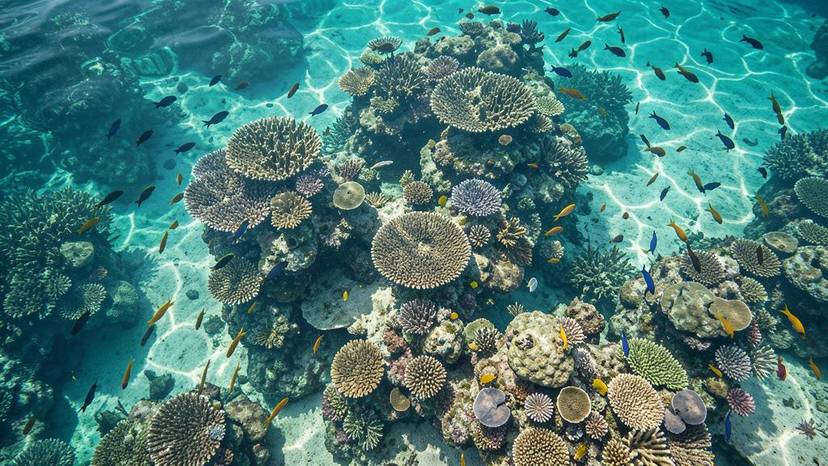
Gujarat's state government has announced a 'Blue Economy Policy' in 2025, focusing on sustainable fisheries and eco-tourism. By voting for pro-environment candidates, attending public hearings, and writing to your local MLA, you can influence how this policy is implemented. Remember, coral reefs are a shared heritage—their survival depends on collective action.
Frequently Asked Questions about Coral Reef Protection in Gujarat
Is coral reef protection really possible in Gujarat?
Yes, it is possible. Despite past declines, coral reefs in Gujarat have shown resilience. For example, after the 2020 bleaching event, some corals recovered by 2023, according to CMFRI. With reduced local stress and global climate action, reefs can regenerate. Every step you take helps.
How much does it cost to support coral conservation?
You can start with zero cost by adopting sustainable habits and volunteering. Donations to NGOs range from ₹500 to ₹10,000. Eco-tourism visits to the Gulf of Kutch cost around ₹1,000 per person for a day trip, and your fee supports park maintenance.
Why does overfishing harm coral reefs?
Overfishing removes herbivorous fish like parrotfish that graze on algae. Without them, algae overgrow and suffocate corals. Destructive fishing methods like bottom trawling physically break corals and stir up sediment that blocks sunlight needed for photosynthesis.
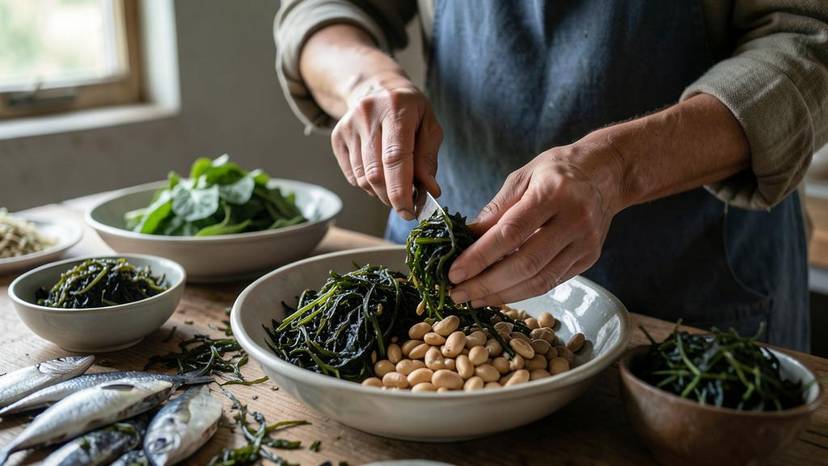
What are the best plant-based seafood alternatives in Gujarat?
Brands like 'Good Catch' and 'Vegan Diva' offer plant-based fish fillets and shrimp made from pea protein and seaweed. In Ahmedabad, you can find them at health stores like 'Earthly Touch' or online via BigBasket and Amazon India. Prices start at ₹250 for a 250g pack.
How can I report illegal fishing in Gujarat?
You can call the Gujarat Forest Department helpline at 1800-233-1010 or use the iNaturewatch app. Provide details like location, time, and photos. The Marine Police in Porbandar and Jamnagar also accept complaints.
Does climate change affect coral reefs in Gujarat differently than elsewhere?
Gujarat's reefs are in a marginal environment with high turbidity, making them more resistant to warming but vulnerable to pollution. However, severe bleaching events are becoming more frequent, as seen in 2019 and 2020. Local action can buy time for global emission cuts.
Key Takeaways
- Coral reefs in Gujarat are critical but declining; individual actions matter.
- Plant-based seafood reduces demand for destructive fishing.
- Supporting MPAs and reporting illegal activities strengthens enforcement.
- Reducing plastic waste and carbon footprint helps reefs globally.
- Citizen science and policy advocacy amplify your impact.
સંબંધિત વિષયો
સંબંધિત
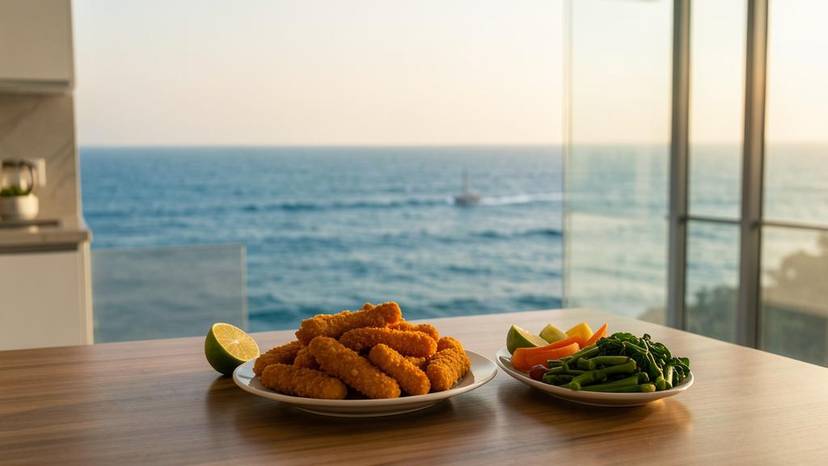
સમુદ્ર સંરક્ષણ માટે વેગન સીફૂડ રિવ્યુ 2026: શું આ વિકલ્પ સાચો છે?
આ સમીક્ષામાં અમે વેગન સીફૂડના સ્વાદ, પોષણ, કિંમત અને પર્યાવરણીય અસરનું પરીક્ષણ કરીએ છીએ, અને જાણીએ છીએ કે શું તે સમુદ્ર સંરક્ષણ માટે ખરેખર ઉપયોગી છે.
8 મિનિટ વાંચન
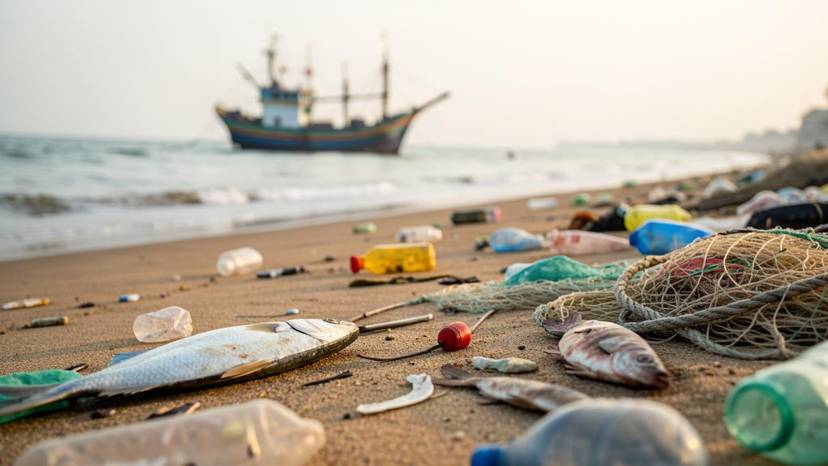
સમુદ્ર પ્રદૂષણના કારણો: ગુજરાતના દરિયાકાંઠે માછલી ઉદ્યોગનું છુપાયેલું સત્ય
ફેક્ટરી ફિશિંગ, બાયકેચ અને દરિયાઈ કચરો કેવી રીતે ગુજરાતના દરિયાકાંઠાને પ્રદૂષિત કરે છે અને દરિયાઈ જીવોને મારી નાખે છે — એક તપાસ અહેવાલ.
7 મિનિટ વાંચન
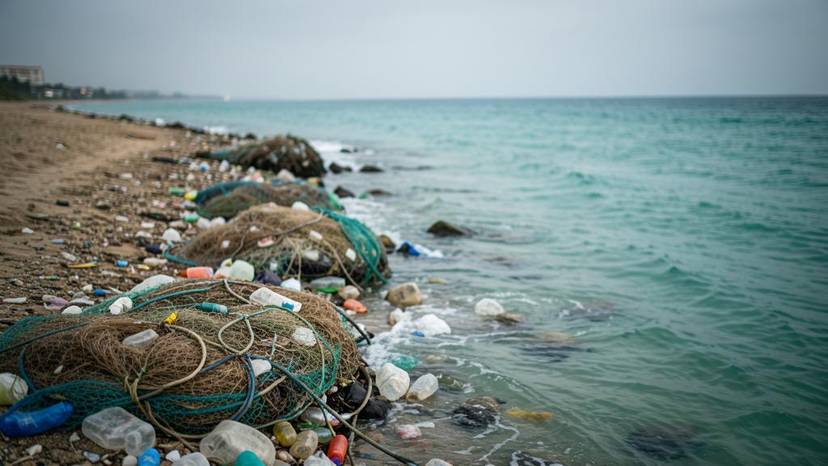
સમુદ્ર પ્રદૂષણ શું છે? 2026માં ગુજરાતના દરિયાકાંઠે સંપૂર્ણ સત્ય
સમુદ્ર પ્રદૂષણના કારણો, માછલી ઉદ્યોગની ભૂમિકા અને ગુજરાતના દરિયાકાંઠે અસરો – 2026ના આંકડા સાથે સંપૂર્ણ માર્ગદર્શિકા.
7 મિનિટ વાંચન