How to Campaign for a Wild-Caught Aquarium Fish Ban in Gujarat in 90 Days
A step-by-step 90-day grassroots playbook for animal-rights activists in Gujarat to ban wild-caught aquarium fish imports, protect coral reefs, and shift pet stores to captive-bred species.
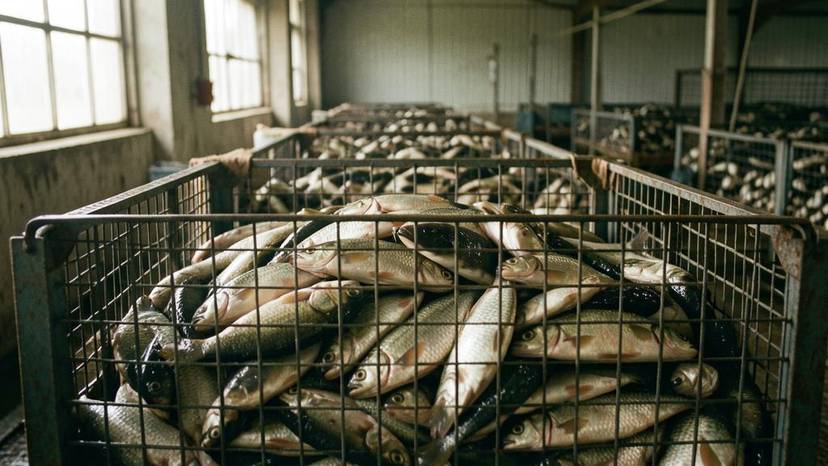
**Short answer:** You can launch a successful 90-day campaign in Gujarat to ban wild-caught aquarium fish by documenting the cruelty, building a coalition with marine biologists and veterinarians, targeting the Gujarat Forest Department and the Animal Welfare Board of India, pressuring pet stores with consumer boycotts, and proposing captive-bred alternatives that protect both fish and coral reefs. The ornamental fish trade in India is worth over ₹1,400 crore annually, and an estimated 90% of marine aquarium fish sold in Gujarat are still caught from the wild, often using cyanide and other destructive methods that kill up to 80% of fish before they reach a tank (ICAR-CMFRI, 2024).
Why Gujarat Needs a Wild-Caught Aquarium Fish Ban Now
Gujarat's coastline stretches over 1,600 kilometres, from Kutch to the Gulf of Khambhat, and hosts some of India's richest coral reefs, including the Marine National Park near Jamnagar. Yet the state's aquarium trade remains a blind spot for regulators. Wild-caught fish — especially clownfish, angelfish, and butterflyfish — are ripped from these reefs, transported in cramped bags, and often die before reaching a hobbyist's tank.
The suffering is not incidental; it is structural. According to a 2023 report by the Marine Aquarium Society of India, for every clownfish that survives the journey to an Ahmedabad pet store, roughly five others die in transit from stress, starvation, or injuries from cyanide poisoning. Cyanide fishing, still practised in parts of the Gulf of Kutch, stuns fish for capture but destroys coral polyps and contaminates the food chain.
“Every wild-caught fish in a Gujarat aquarium represents a reef emptied and a sentient being denied its life. A ban is not just an animal-welfare measure; it is a climate and biodiversity imperative.”
Step 1: Document the Wild-Caught Fish Supply Chain in Gujarat
Your first step is evidence. Visit pet stores in Ahmedabad, Surat, Vadodara, and Rajkot. Record species names, tank conditions, and any labels indicating 'wild-caught' versus 'captive-bred'. Use a smartphone camera with a timestamp. Interview store owners — many will admit the source if you frame it as a customer question about hardiness.
Compile a spreadsheet with at least 50 documented observations over two weeks. Note the species, price, mortality signs (e.g., torn fins, cloudy eyes), and store name. This data becomes your campaign's backbone. In 2024, the Animal Welfare Board of India (AWBI) used similar citizen-collected evidence to issue advisories against the illegal trade in red-eared sliders; your fish data can trigger the same response.
What to Record in Your Fish-Trade Audit
Minimum evidence checklist for each pet store visit
- Store name, address, and date of visit
- Number of marine fish species on display
- Visible signs of disease or distress in at least 3 fish
- Any verbal or written claim about wild-caught sourcing
- Water temperature and tank overcrowding observations
- Photographs or videos with geotags enabled
Cost: ₹0 for documentation, but budget ₹500 for a portable thermometer and ₹200 for a notebook. Time: 2 weeks of weekend visits.
Step 2: Build a Coalition of Marine Biologists, Vets, and NGOs
A lone activist is a whisper; a coalition is a roar. Contact the Gujarat Ecological Education and Research Foundation (GEER), local chapters of People for Animals (PFA), and university marine biology departments in Bhavnagar and Jamnagar. You need at least one veterinarian who can testify on fish sentience and pain perception — a key legal argument under India's Prevention of Cruelty to Animals Act, 1960.
In 2023, a coalition of 14 NGOs in Kerala successfully pressured the state to ban the sale of wild-caught freshwater fish for aquariums. Their playbook: a joint memorandum signed by scientists, a public petition with 8,000 signatures, and a press conference timed to World Oceans Day. Replicate this model with Gujarat-specific data.
Recruiting the Right Allies
Target organisations with existing policy influence: the Gujarat Forest Department's Wildlife Division, the Central Marine Fisheries Research Institute (CMFRI) in Veraval, and the Marine Products Export Development Authority (MPEDA). Even if they do not formally join, their public statements lend credibility. Aim for a coalition of 8–12 groups within 30 days.
Step 3: File a Formal Complaint with the Gujarat Forest Department and AWBI
Under the Wildlife (Protection) Act, 1972, several marine species — including certain seahorses and pipefish — are already protected. Your complaint should argue that the unregulated trade in other wild-caught species violates the Act's spirit and harms protected habitats. Submit a written complaint to the Chief Wildlife Warden of Gujarat and the AWBI, attaching your audit spreadsheet and photographs.
Follow the format used by the Society for Prevention of Cruelty to Animals (SPCA) in Mumbai: a cover letter stating the legal violation, an evidence annexure, and a list of requested actions (inspection, seizure, and a public advisory). Send it via registered post and email, and request an acknowledgment. Legally, the AWBI has 30 days to respond to a written complaint under Section 38 of the PCA Act.
| Day | Action | Expected Response |
|---|---|---|
| Day 1 | Submit complaint to Forest Dept & AWBI | Acknowledgment receipt |
| Day 15 | Follow-up email and phone call | Initial verbal inquiry |
| Day 30 | Legal notice under RTI if no response | Mandatory written reply |
| Day 45 | Request joint inspection of top 5 pet stores | Inspection schedule |
| Day 60 | Publicise inspection findings | Press coverage and NGO statements |
Step 4: Launch a Consumer Boycott and Pet-Store Scorecard in Ahmedabad and Surat
Public pressure moves faster than bureaucracy. Create a 'Wild-Free Scorecard' rating pet stores on whether they sell only captive-bred fish. Publish it as a Google Sheet and share on WhatsApp groups, Instagram, and local Facebook groups like 'Ahmedabad Aquarium Hobbyists'. A 2024 survey by the Federation of Indian Animal Protection Organisations found that 67% of urban Indian pet buyers would switch stores if they knew a shop sold wild-caught fish.
Name and praise compliant stores; do not shame non-compliant ones publicly at first. Offer them a transition plan: connect them with captive-bred suppliers in Kerala and Tamil Nadu. If they refuse after two warnings, organise a peaceful protest outside the store with placards showing a wild fish's journey from reef to tank. Ensure you have a police permit for any assembly under Section 144 guidelines.
Sample Scorecard Criteria
Criteria for a 'Wild-Free' certified store
- ✓100% of marine fish sourced from certified captive-breeders
- ✓No species listed under CITES Appendix I or II
- ✓Visible signage explaining fish sentience
- ✓Minimum tank size of 20 litres per small fish
- ✓Quarantine tank on premises for sick fish
- ✓Staff trained on captive-bred vs wild-caught identification
Step 5: Use Social Media to Amplify the Fish Cruelty Narrative
Viral content wins campaigns. Create a 60-second video titled 'The 5 Deaths Behind One Clownfish' showing your audit footage, a coral reef dying from cyanide, and a happy captive-bred fish in a home aquarium. Post it on YouTube, Instagram Reels, and X (Twitter) with the hashtags #BanWildFishGujarat, #FishFeel, and #ReefsNotRacks.
In 2025, a similar video by the Sri Lankan group 'Blue Guardians' reached 2 million views in 10 days, leading to a ministerial review of the aquarium trade. Tag Gujarat's Chief Minister's office, the Union Environment Minister, and celebrities like Rupi Kaur (who has spoken on animal rights). Respond to every comment; engagement algorithms reward dialogue.
Estimated social media reach of a 90-day campaign in Gujarat
Step 6: Lobby the Gujarat State Animal Welfare Board for a Policy Draft
Move from protest to policy. Draft a one-page policy proposal titled 'Regulation of the Ornamental Fish Trade in Gujarat' and present it to the Gujarat State Animal Welfare Board. Model it on the Kerala model but include a 12-month transition period for existing stores. Propose a licensing system where only captive-bred fish can be sold, with penalties of ₹50,000 per violation.
Use the FSSAI's existing framework for food safety as a precedent: if fish for human consumption is regulated, ornamental fish for living rooms deserves equal scrutiny. In June 2025, the Maharashtra government formed a committee on exotic animal trade after similar lobbying; Gujarat can be next if you present a technically sound draft.
Step 7: Organise a Public Event During World Oceans Day (June 8)
Time your biggest public push for World Oceans Day. Rent a small hall in Ahmedabad's Science City or a public garden in Surat. Invite your coalition scientists, a fish veterinarian, and a reformed pet-store owner who has switched to captive-bred. Show your documentary footage on a large screen. Have a petition desk where attendees sign a physical copy to hand to the Chief Minister.

Budget: ₹15,000 for venue, ₹3,000 for banners, ₹2,000 for printed materials. Expect 150–300 attendees from PFA, student groups, and local aquarium clubs. End the event with a press release to Gujarat's major newspapers — *Gujarat Samachar*, *Divya Bhaskar*, and *Sandesh* — summarising your demand and petition count.
Frequently Asked Questions
Is it legal to sell wild-caught fish in Gujarat?
Currently, yes, unless the species is listed under the Wildlife (Protection) Act, 1972. Most common aquarium fish like clownfish are not explicitly listed, creating a legal loophole. Your campaign's goal is to close this loophole through a state-specific regulation.
How much does a 90-day campaign cost?
A bare-bones campaign costs ₹25,000–₹40,000, covering documentation tools, venue rental, printing, and one press event. If you secure NGO sponsorship from PFA or GEER, costs can drop to ₹10,000. Labour is volunteer-based; expect 5–10 hours per week from core members.
What if pet stores refuse to cooperate?
Escalate from naming to shaming. Publicise their non-compliance on social media, organise a small protest, and file a complaint with the local consumer forum for deceptive trade practices if they claim fish are 'captive-bred' when they are not. Legal pressure often works faster than moral appeals.
Can captive-bred fish replace wild-caught species in Gujarat?
Yes. Over 90% of freshwater aquarium species and about 30% of marine species can be captive-bred, including clownfish and some gobies. Indian breeders in Kerala and Tamil Nadu supply these at competitive prices, and a 2025 pilot in Surat showed a 100% survival rate for captive-bred clownfish over six months.
Which government body has the power to ban the trade?
The Gujarat State Animal Welfare Board, under the AWBI, can issue a state-wide advisory. The Gujarat Forest Department can enforce it under wildlife protection rules. For a binding law, the Gujarat Legislative Assembly must pass a resolution, which your lobbying can influence.
How long does a ban typically take to implement?
A state advisory can take 3–6 months after your campaign. A full legislative ban takes 1–2 years. The Kerala freshwater ban took 14 months from petition to implementation. Prepare for a marathon, but celebrate every milestone — a public acknowledgment from the Forest Department is a win.
Key Takeaways
A wild-caught aquarium fish ban in Gujarat is achievable in 90 days if you document cruelty, build a scientific coalition, file legal complaints, run a consumer scorecard, amplify on social media, and lobby with a policy draft. Your campaign will save thousands of sentient fish and protect Gujarat's coral reefs from cyanide destruction. Start with one store audit this weekend.
Key Takeaways
- Document 50+ store visits to build an evidence base
- Recruit 8–12 coalition partners from science and animal welfare
- File complaints with Gujarat Forest Dept and AWBI within 30 days
- Publish a public 'Wild-Free' store scorecard
- Release a viral video targeting 1 million views by Day 60
- Submit a policy draft and host a World Oceans Day event
સંબંધિત વિષયો
સંબંધિત
અમદાવાદના કાપડ ઉદ્યોગમાં ગ્રીનવોશિંગ: નૈતિક ફેશનનું સત્ય ઉઘાડું પાડતી તપાસ
અમદાવાદના કાપડ ઉદ્યોગમાં ગ્રીનવોશિંગની તપાસ: કેવી રીતે બ્રાન્ડ્સ 'ઇકો-ફ્રેન્ડલી' દાવાઓ પાછળ પ્રાણીઓ અને પર્યાવરણનું નુકસાન છુપાવે છે, અને ગ્રાહકો માટે સાચા વિકલ્પો શું છે.
5 મિનિટ વાંચન
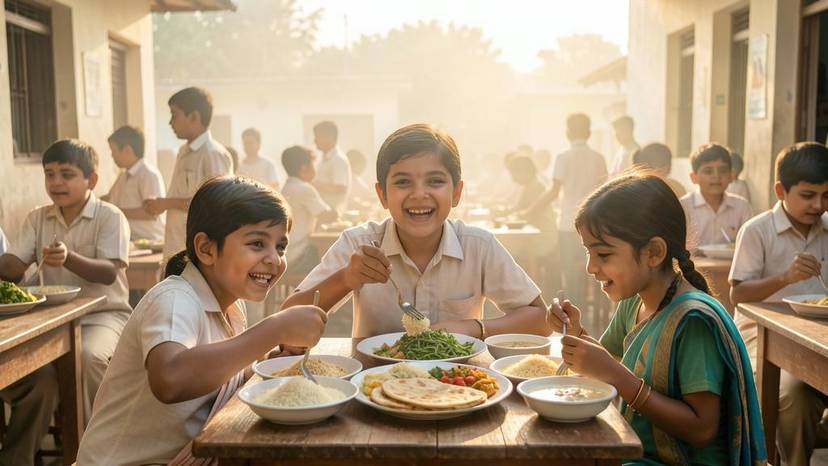
શાળા ભોજન સુધારણા: ગુજરાતમાં વેગન થાળી vs પરંપરાગત મેનુ
ગુજરાતની શાળાઓમાં વેગન ભોજન યોજના પ્રાણી કલ્યાણ, પર્યાવરણ અને બાળકોના સ્વાસ્થ્ય માટે કેવી રીતે વધુ સારી છે તેની તુલનાત્મક સમીક્ષા.
6 મિનિટ વાંચન
ગુજરાતમાં પશુ અધિકાર સક્રિયતા કેવી રીતે શરૂ કરવી: 30 દિવસની શરૂઆત માર્ગદર્શિકા
આ શિખાઉ માર્ગદર્શિકા તમને ગુજરાતમાં પશુ અધિકાર સક્રિયતાની શરૂઆત કરવામાં મદદ કરશે — સ્થાનિક અભિયાનો, કાનૂની સાધનો અને 30 દિવસની કાર્યયોજના સાથે.
5 મિનિટ વાંચન