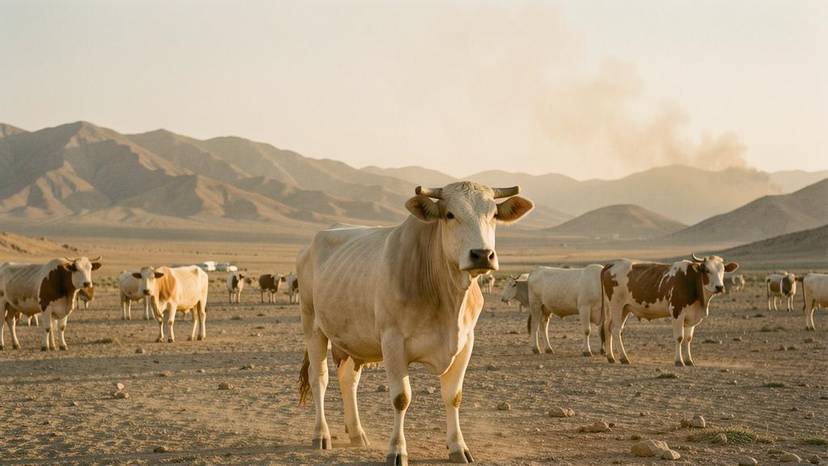
من کشاورز لبنیاتی بودم؛ آنچه بحران آب ایران درباره شیر گاو به من آموخت
از یک گاوداری صنعتی در همدان تا دفاع از جایگزینهای گیاهی؛ روایت شخصی من از هزینههای پنهان شیر گاو و آینده لبنیات پایدار در ایران
6 دقیقه مطالعه
Planet
Palm oil is the standard villain in sustainable-shopping guides, and the story is more complicated than the boycott suggests. Palm is by far the highest-yielding oil crop per hectare, so replacing it with lower-yielding oils can expand the total land footprint even as it moves the deforestation elsewhere.
| معیار | Palm oil | Alternative oils |
|---|---|---|
| Yield per hectare | Far higher than any competing oil crop. | Soy, rapeseed, sunflower and coconut all need substantially more land for the same volume. |
| Deforestation link | Directly tied to lowland rainforest and peatland conversion in Southeast Asia. | Soy expansion drives Amazon and Cerrado conversion, largely for livestock feed. |
| Biodiversity | Orangutan, pygmy elephant and tiger habitat loss are the flagship cases. | Cerrado and Chaco conversion is less visible but ecologically severe. |
| Certification | RSPO and similar schemes vary in rigour; segregated supply chains are stronger than mass-balance claims. | Certification coverage is patchier still for most alternative oils. |
از یک گاوداری صنعتی در همدان تا دفاع از جایگزینهای گیاهی؛ روایت شخصی من از هزینههای پنهان شیر گاو و آینده لبنیات پایدار در ایران
6 دقیقه مطالعه
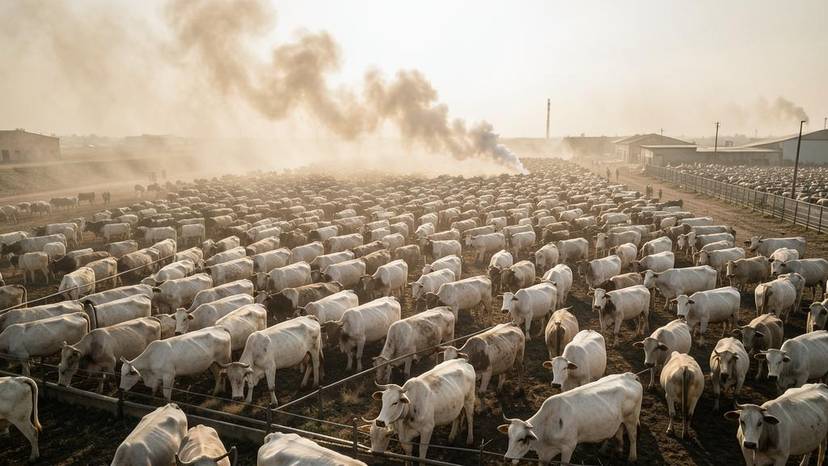
بررسی جامع سهم دامداری صنعتی در انتشار گازهای گلخانهای، مقایسه با حملونقل و انرژی، و راهحلهای عملی برای کاهش ردپای کربن در ایران و جهان
7 دقیقه مطالعه
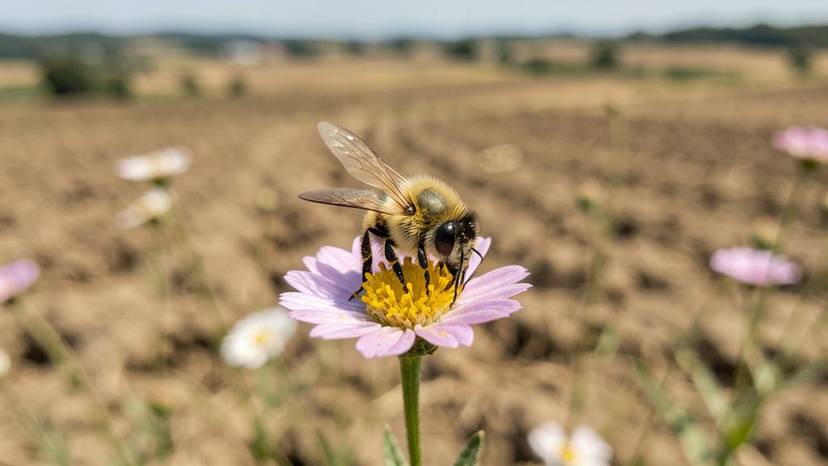
زوال حشرات در ۲۰۲۶ به بحرانی خاموش تبدیل شده؛ این گزارش با دادههای تازه، علل، پیامدها برای امنیت غذایی و راههای اقدام را بررسی میکند.
9 دقیقه مطالعه
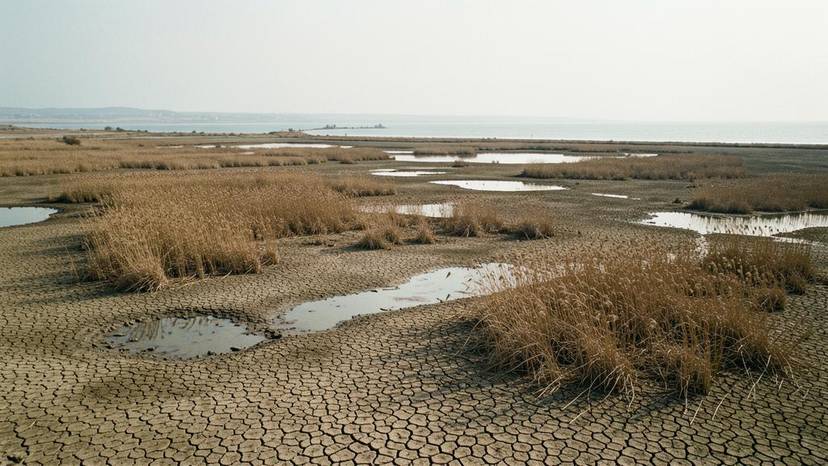
خشک شدن تالاب انزلی و تالابهای ایران نهتنها تنوع زیستی را تهدید میکند، بلکه بحران آب و مهاجرت پرندگان را تشدید میکند؛ در این گزارش، علل، پیامدها و راههای نجات بررسی میشود.
9 دقیقه مطالعه
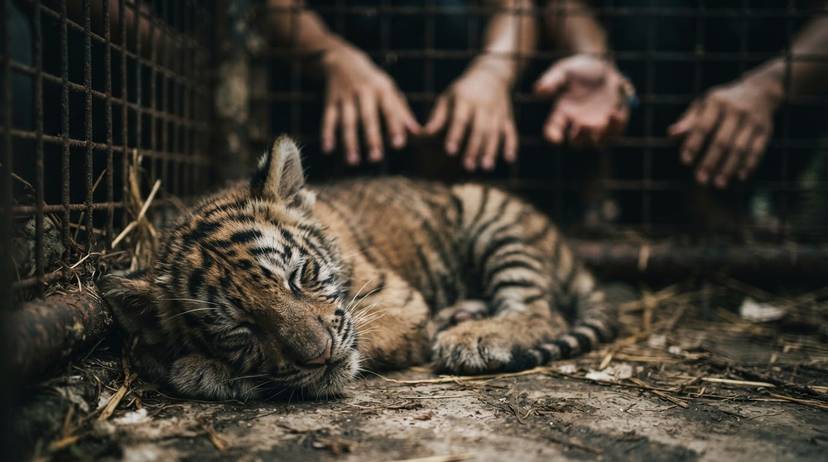
صنعت پرورشی گربهسانان، به ویژه تجارت تولههای پلنگ و ببر، نه تنها به نفع حیوانات نیست بلکه به عنوان کانون پرورش بیماریهای نوظهور عمل کرده و تهدیدی جدی برای سلامت عمومی جهانی محسوب میشود.
7 دقیقه مطالعه

انتخاب بین پنبه ارگانیک و پلی استر بازیافتی برای کمد لباس شما تصمیمی حیاتی با پیامدهای زیستمحیطی گستردهای است، اما کدام یک واقعاً پایدارتر است؟
8 دقیقه مطالعه
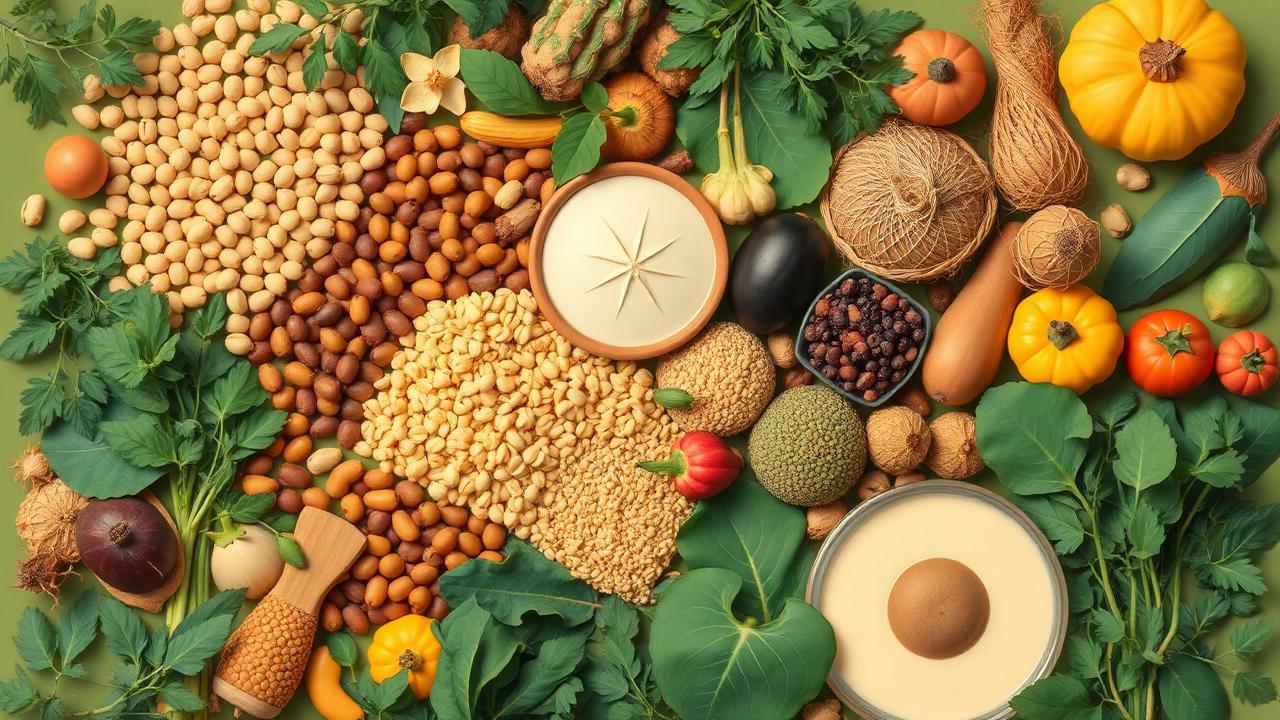
این مقایسه دو گزینه را بر اساس معیارهای یکسان میسنجد تا مبادلهها بهجای اینکه پنهان بمانند، آشکار شوند. ما برندهای مطلق معرفی نمیکنیم: انتخاب بهتر به هدف شما بستگی دارد — انتشار گازهای گلخانهای، رفاه حیوانات، تغذیه، هزینه، دسترسی یا زمان — و این اولویتها بهدرستی میان خوانندگان متفاوت است.
تمام مطالب زیر برگرفته از گزارشهای خود ما در این شماره است. در مواردی که شواهد واقعاً مورد اختلاف است، مقایسه این را صریح بیان میکند و بهجای حل مصنوعی آن، مقالات مرتبط مجموعه دادههای پشت هر ادعا را نشان میدهند.
هر دو طرف بر اساس معیارهای یکسان و در صورت امکان با ارقام حاصل از یک مطالعه یا مجموعه داده سنجیده میشوند — ترکیب منابع با مرزهای سیستمی متفاوت رایجترین راه گمراهکننده بودن مقایسههاست. انتشار گازها به ازای هر واحد مفید داده میشود نه هر کیلوگرم، در مواردی که این تغییر رتبهبندی را ایجاد میکند؛ رفاه حیوانات بر اساس طرح گواهیای که واقعاً در حال اجراست ارزیابی میشود و تغذیه در اندازههای واقعبینانه سرو مقایسه میشود.
زمینه محلی چند معیار را تعیین میکند. ردپای آب به محل کشت محصول بستگی دارد، نه فقط به نوع آن. دسترسی، قیمت و قوانین برچسبگذاری در هر کشور متفاوت است. نیازهای تغذیهای شخصی با سن، بارداری، دارو و سوابق پزشکی تغییر میکند. این مقایسه را بهعنوان یک روش ساختاریافته برای تفکر در نظر بگیرید و معیارهایی را که مختص محل زندگی شماست بررسی کنید.
دو یا سه معیاری را که واقعاً برایتان مهم است انتخاب کنید و بقیه را نادیده بگیرید — مقایسهای که برای همه چیز بهطور همزمان بهینه شده باشد، برای هیچ چیز بهینه نیست. اگر دو گزینه در اولویتهای شما نزدیک به هم باشند، معیار تعیینکننده معمولاً گزینهای است که در عمل به آن پایبند میمانید، زیرا تغییرات پایدار بهتر از گزینههای بهینه نظری هستند که رها میشوند.
| معیار | آنچه بررسی میکنیم | چرا متفاوت است |
|---|---|---|
| اقلیم | انتشار به ازای هر واحد مفید | مرزهای سیستمی و جغرافیا |
| زمین و آب | مصرف به ازای هر واحد خروجی | بارش محلی و کیفیت زمین |
| حیوانات | نتایج رفاهی، نه برچسبها | طرح گواهی در حال اجرا |
| تغذیه | اندازههای واقعبینانه سرو | نیازها و دریافت فردی |
| عملی بودن | هزینه، دسترسی، تلاش | کشور و خانوار |