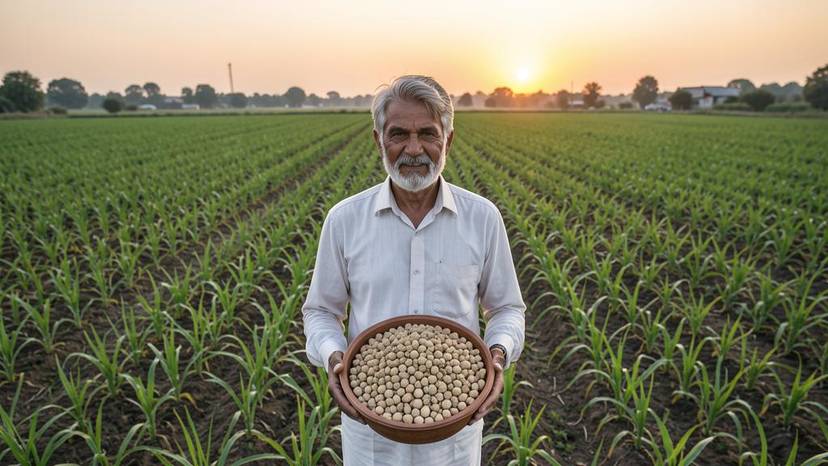
How to Start a Plant-Based Diet in Punjab, India: A 30-Day Guide
This 30-day guide helps Punjabi readers transition to a plant-based diet while navigating local markets, traditional foods, and common nutrition concerns.
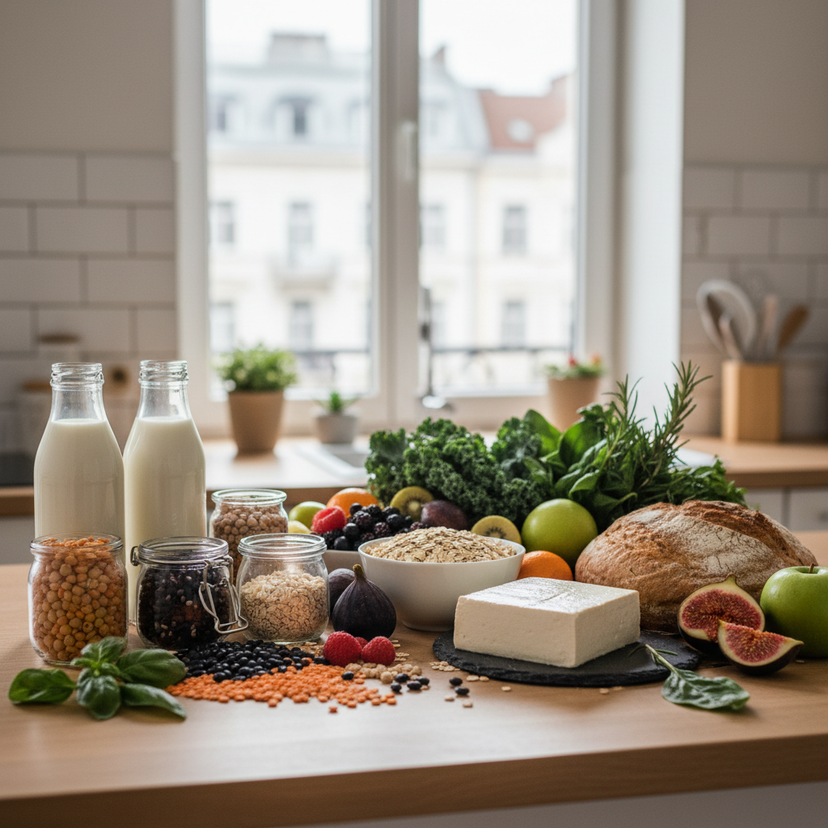
**Short answer:** Starting a plant-based diet in Punjab is easier than you think, thanks to a rich tradition of vegetarian cooking. In 30 days, you can transition by focusing on local staples like dal, chana, seasonal vegetables, and whole grains, while replacing dairy with fortified plant milks and ensuring adequate protein, iron, and B12 through smart food choices and supplements if needed. This guide provides a step-by-step plan, local resources, and practical tips to make the shift sustainable and enjoyable.
Why Choose a Plant-Based Diet in Punjab? Health, Climate, and Animal Welfare
A plant-based diet, which excludes all animal products including meat, dairy, and eggs, is linked to lower risks of heart disease, type 2 diabetes, and certain cancers, according to the World Health Organization (WHO, 2023). For Punjab, where heart disease and diabetes rates are among the highest in India, shifting to plants can be life-saving.
Environmentally, animal agriculture is a major driver of greenhouse gas emissions. The Food and Agriculture Organization (FAO, 2024) reports that livestock contributes 14.5% of global emissions, more than all transport combined. By choosing plants, you reduce your carbon footprint significantly.
Animal welfare is also a key concern. Punjab's dairy industry often involves practices like forced insemination, separation of calves from mothers, and eventual slaughter—realities that are hidden from consumers. A plant-based diet aligns with the principle of ahimsa (non-violence) that is central to Punjabi spiritual traditions.
What to Eat on a Plant-Based Diet in Punjab: Local Staples and Substitutes
Punjabi cuisine is naturally rich in plant-based foods. Dal (lentils), chana (chickpeas), rajma (kidney beans), and a variety of seasonal vegetables form the core of traditional meals. Whole grains like wheat (for roti) and millets (bajra, jowar) are staples.
For dairy, opt for fortified soy milk or almond milk available in major cities like Ludhiana, Amritsar, and Chandigarh. Brands like So Good and Silk are available in supermarkets, but you can also make your own at home. For ghee substitutes, use coconut oil or a vegan ghee from brands like Nutiva.
Paneer (cottage cheese) is a common protein source, but you can replace it with tofu (soy paneer), which is widely available in local markets. For buttermilk (chaas), use a plant-based yogurt made from soy or coconut.
| Traditional Item | Plant-Based Substitute | Local Availability |
|---|---|---|
| Milk | Soy milk, almond milk | Supermarkets, health stores |
| Paneer | Tofu (soy paneer) | Local markets, supermarkets |
| Ghee | Coconut oil, vegan ghee | Supermarkets, online |
| Yogurt (dahi) | Soy yogurt, coconut yogurt | Supermarkets, homemade |
| Buttermilk (chaas) | Soy-based chaas | Homemade |
| Chicken | Soy chunks, seitan | Health food stores, online |
How to Plan Your 30-Day Transition: Step-by-Step
Step 1: Assess Your Current Diet and Set Clear Goals
Before starting, take a week to track what you eat. Note the dairy and meat products you consume most. Set a clear goal, such as 'I will eat plant-based for 30 days' or 'I will replace dairy with plant milks by day 15.' Write it down and share it with a friend for accountability.
Example: A Ludhiana resident might start by replacing tea with herbal tea or black coffee, and gradually switch to soy milk by week two. Cost: minimal—just the price of plant-based milk, around ₹80-120 per litre.
Step 2: Stock Your Pantry with Plant-Based Essentials
A well-stocked pantry makes the transition easier. Essentials include lentils (moong, masoor, toor), chickpeas, kidney beans, whole grains (wheat, bajra, jowar), nuts, seeds, spices (turmeric, cumin, coriander), and fortified nutritional yeast for a cheesy flavor.
Example: Buy a 1kg bag of moong dal for ₹100, a pack of tofu for ₹80, and a bottle of fortified soy milk for ₹100. Total initial cost: around ₹500-700 for a week's worth of staples.
Step 3: Learn to Read Labels and Identify Hidden Animal Ingredients
Many processed foods contain hidden animal derivatives like casein (milk protein), whey, gelatin, and even natural flavors that may be animal-based. Familiarize yourself with these terms. In India, the Food Safety and Standards Authority of India (FSSAI) requires clear labeling, but you still need to check.
Example: Many biscuits and breads contain milk solids. Check the ingredient list for 'milk powder' or 'whey'. Choose brands that are explicitly labeled 'vegan' or '100% plant-based'.
Step 4: Master Quick and Easy Plant-Based Punjabi Recipes
Start with simple recipes: dal tadka, chana masala, rajma chawal, and vegetable sabzi. These are one-pot meals that are comforting and nutritious. For breakfast, try overnight oats with soy milk and fruits, or vegetable poha.
Example: For a 15-minute dinner, sauté onions, garlic, ginger, and tomatoes; add canned chickpeas and spices; serve with roti. Cost: about ₹50 per serving. Time: 15-20 minutes.
Step 5: Handle Social Situations and Eating Out
Social pressure can be challenging. Explain your choice calmly: 'I'm eating plant-based for health and the environment.' When eating out, many Punjabi restaurants offer vegetable dishes, but confirm they use oil, not ghee. Ask for curries without cream or butter.
Example: At a wedding, fill your plate with dal, vegetables, and salad, and skip the paneer and butter naan. Carry a small container of roasted chana or nuts for emergencies.
Step 6: Ensure Adequate Nutrition: Protein, Iron, and B12
Protein is abundant in plant foods: lentils, beans, tofu, and whole grains. Aim for 0.8g of protein per kg of body weight (ICMR, 2021). For example, a 60kg person needs about 48g of protein daily—achievable with two bowls of dal and a serving of tofu.
Iron from plants (non-heme) is absorbed better with vitamin C. Pair dal with a squeeze of lemon or add amla (Indian gooseberry) to your salad. For B12, which is only found in animal products, consider a supplement of 10-50 mcg daily, as recommended by the Indian Dietetic Association (IDA, 2023).
Step 7: Track Progress and Adjust Your Plan
Keep a food diary to monitor how you feel. Note any cravings, energy levels, and digestive changes. Use a free app like Cronometer to track nutrients. Adjust your meals if you feel tired—add more complex carbs or fortified foods.
Example: If you miss the richness of ghee, add a teaspoon of coconut oil to your dal. If you crave cheese, sprinkle nutritional yeast on popcorn or pasta. Listen to your body and be flexible.
“A plant-based diet is not about deprivation; it's about abundance—abundance of flavors, nutrients, and compassion. In Punjab, we have the perfect ingredients to make the transition delicious and sustainable.”
What Are the Costs of a Plant-Based Diet in Punjab? Budget-Friendly Strategies
Contrary to popular belief, a plant-based diet can be cheaper than a meat-based one. In Punjab, a kg of lentils costs ₹80-120, while a kg of chicken costs ₹200-300. Even compared to a vegetarian diet with dairy, you save on milk and paneer, which cost ₹50-100 per litre/kg respectively.
| Food Category | Traditional Diet (₹) | Plant-Based Diet (₹) |
|---|---|---|
| Grains and pulses | 500 | 500 |
| Vegetables and fruits | 800 | 800 |
| Dairy (milk, paneer, ghee) | 800 | 0 |
| Plant-based alternatives | 0 | 500 |
| Nuts and seeds | 200 | 300 |
| Total | 2300 | 2100 |
Monthly food cost comparison (₹)
To save more, buy seasonal vegetables from local mandis (markets) like the Grain Market in Ludhiana, and buy staples in bulk. Use the 'ugly produce' section—many vendors sell imperfect vegetables at a discount, which is perfectly fine for cooking.
How Does a Plant-Based Diet Impact the Environment and Animals in Punjab?
Agriculture in Punjab is heavily reliant on livestock, and dairy farming is a major source of income. However, the environmental cost is high. According to the Punjab State Council for Science & Technology (2023), livestock contributes 15% of the state's greenhouse gas emissions, and dairy farming is a leading cause of water pollution from untreated effluents.
Animal welfare is another critical issue. In Punjab's dairy industry, cows are often subjected to forced insemination, and male calves are sold to slaughterhouses. By choosing plant-based, you reduce demand for these practices, aligning with the ahimsa principle.
Frequently Asked Questions
Is a plant-based diet safe for children in Punjab?
Yes, a well-planned plant-based diet is safe for children of all ages, according to the Academy of Nutrition and Dietetics (2022). Ensure adequate calories, protein, iron, and B12 through fortified foods and supplements. In Punjab, traditional foods like dal and roti are excellent bases, but be mindful of calcium and vitamin D, which may require fortified plant milks or supplements.
How can I get enough protein on a plant-based diet without soy?
If you prefer to avoid soy, rely on lentils (dal), chickpeas (chana), kidney beans (rajma), black-eyed peas, and whole grains like quinoa (if affordable) or amaranth. Peanut butter and other nut butters are also excellent protein sources. For example, a bowl of dal with two rotis provides about 20g of protein, and a handful of peanuts adds 7g.
Will I lose weight on a plant-based diet?
Many people lose weight due to the lower calorie density and higher fiber content of plant foods. A 2024 study in the American Journal of Clinical Nutrition found that plant-based eaters had a 15% lower body mass index on average. However, weight loss depends on overall calorie intake, so portion control and regular exercise are still important.
What are the best plant-based milk options for Punjabi tea (chai)?
For chai, the most neutral-tasting options are soy milk and oat milk. Soy milk is widely available and has a creamy texture, while oat milk is slightly sweet. Almond milk can be too thin. Choose unsweetened versions to control sugar. Brands like So Good (soy) and Oatly (oat) are available in major Punjab cities, or make your own at home.
How do I handle cravings for dairy products like paneer and ghee?
Cravings are normal in the first few weeks. Use tofu instead of paneer in palak tofu, and add a pinch of asafoetida (hing) to mimic the umami of ghee. For ghee in cooking, use coconut oil or a vegan ghee. Over time, your palate adapts, and cravings typically diminish within 30 days. Also, ensure you're eating enough calories and fats—often cravings signal hunger.
Is a plant-based diet suitable for people with diabetes, which is common in Punjab?
Yes, plant-based diets are highly beneficial for diabetes management. A 2023 meta-analysis in Diabetes Care found that plant-based diets improved glycemic control and reduced HbA1c by 0.5%. Focus on whole grains, legumes, and vegetables, and avoid refined sugars. Consult your doctor to adjust medications, as blood sugar may drop.
Troubleshooting Common Challenges During the Transition
Key Takeaways
Key Takeaways
- A plant-based diet is affordable and accessible in Punjab using local staples.
- Prioritize protein, iron, and B12 through smart food choices and supplements if needed.
- Adapt traditional recipes with tofu, plant milks, and nuts to ease the transition.
- Track your progress and adjust your plan based on how you feel.
- Every plant-based meal contributes to better health, a lower carbon footprint, and less animal suffering.
Checklist for Your First 30 Days
30-Day Plant-Based Transition Checklist
- ✓Week 1: Identify your current animal product intake and set a goal.
- ✓Week 1: Stock your pantry with plant-based staples (dal, chana, tofu, plant milk).
- ✓Week 2: Replace dairy with plant-based alternatives in your daily tea and cooking.
- ✓Week 2: Try three new plant-based recipes from Punjabi cuisine.
- ✓Week 3: Practice reading labels and identifying hidden animal ingredients.
- ✓Week 3: Plan meals for the week and shop at local mandis for fresh produce.
- ✓Week 4: Handle a social event (wedding, party) by choosing plant-based options.
- ✓Week 4: Evaluate your energy, mood, and any health changes.
- ✓Ongoing: Take a B12 supplement (10-50 mcg daily) and monitor your iron intake.
| Tool/Resource | Purpose | Estimated Cost (₹) |
|---|---|---|
| Food diary app (Cronometer) | Track nutrition intake | Free |
| Plant-based recipe book (e.g., 'Vegan Punjabi Cooking') | Meal inspiration | 300-500 |
| Tofu press (or use a heavy pan) | Press tofu for better texture | 200-300 |
| High-speed blender | Make plant milks and smoothies | 2000-5000 |
| Nutritional yeast | Cheesy flavor | 300 for 200g |
| B12 supplement | Ensure vitamin B12 intake | 200-400 per month |
The 30-day plant-based transition is a journey of discovery. By embracing Punjab's rich culinary heritage, you can nourish your body, protect the environment, and show compassion to animals. Start today, and you'll be amazed at how simple and satisfying this lifestyle can be.
ਸੰਬੰਧਿਤ ਵਿਸ਼ੇ
ਸੰਬੰਧਿਤ ਪੜ੍ਹਾਈ
ਕਾਜੂ ਕਿਸਾਨਾਂ ਦਾ ਸ਼ੋਸ਼ਣ ਬਨਾਮ ਵਾਜਬ ਵਪਾਰ: ਪੰਜਾਬ ਵਿੱਚ ਕਿਹੜਾ ਬ੍ਰਾਂਡ ਨੈਤਿਕ ਹੈ?
ਕਾਜੂ ਉਤਪਾਦਨ ਵਿੱਚ ਕਾਮਿਆਂ ਦੀ ਦੁਰਦਸ਼ਾ ਅਤੇ ਵਾਜਬ ਵਪਾਰ ਵਿਕਲਪਾਂ ਦੀ ਤੁਲਨਾ — ਜਾਣੋ ਕਿ ਪੰਜਾਬ ਵਿੱਚ ਕਿਹੜਾ ਕਾਜੂ ਬ੍ਰਾਂਡ ਸੱਚਮੁੱਚ ਨੈਤਿਕ ਹੈ ਅਤੇ ਆਪਣੀ ਖਰੀਦ ਨਾਲ ਕਿਵੇਂ ਬਦਲਾਅ ਲਿਆਉਣਾ ਹੈ।
7 ਮਿੰਟ ਪੜ੍ਹਨਾ
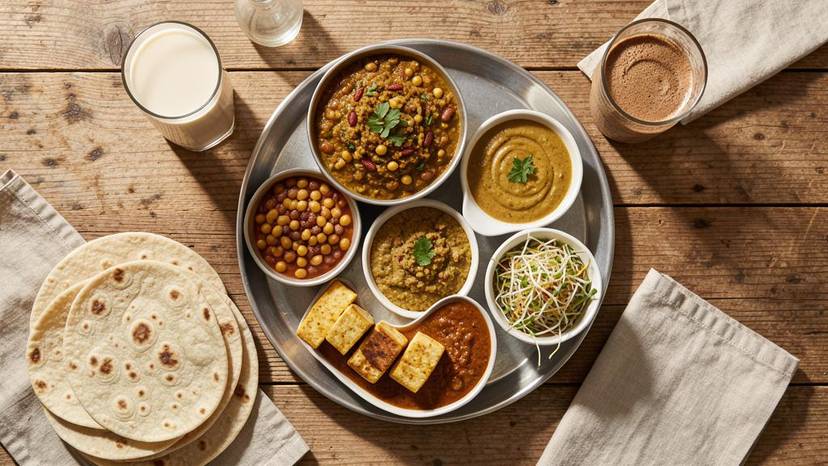
7 ਮਿੱਥਾਂ ਬਨਾਮ ਸੱਚ: ਕੀ ਸਬਜ਼ੀ ਪ੍ਰੋਟੀਨ ਸੱਚਮੁੱਚ ਪੂਰਾ ਪ੍ਰੋਟੀਨ ਦਿੰਦਾ ਹੈ?
ਸਬਜ਼ੀ ਪ੍ਰੋਟੀਨ ਬਾਰੇ 7 ਆਮ ਮਿੱਥਾਂ ਦਾ ਤੱਥਾਂ ਨਾਲ ਖੰਡਨ, ਪੰਜਾਬੀ ਖੁਰਾਕ ਵਿੱਚ ਪੌਦਿਆਂ-ਅਧਾਰਤ ਪ੍ਰੋਟੀਨ ਦੇ ਪੂਰੇ ਸਰੋਤਾਂ ਦੀ ਅਸਲ ਤਸਵੀਰ ਪੇਸ਼ ਕਰਦਾ ਲੇਖ।
6 ਮਿੰਟ ਪੜ੍ਹਨਾ
ਅੰਦਰ ਦੀ ਝਲਕ: ਪੰਜਾਬ ਦੇ ਬਰਾਇਲਰ ਫਾਰਮ ਦੀ ਗੁਪਤ ਵੀਡੀਓ ਦਾ ਪਰਦਾਫਾਸ਼
ਇੱਕ ਨਵੀਂ ਅੰਡਰਕਵਰ ਜਾਂਚ ਨੇ ਪੰਜਾਬ ਦੇ ਬਰਾਇਲਰ ਚਿਕਨ ਫਾਰਮਾਂ ਵਿੱਚ ਗੈਸ ਚੈਂਬਰਾਂ ਅਤੇ ਲੰਗੜੇ ਪੰਛੀਆਂ ਦੇ ਦਰਦ ਦਾ ਖੁਲਾਸਾ ਕੀਤਾ ਹੈ — ਜਾਣੋ ਕਿ ਤੁਸੀਂ ਕੀ ਕਰ ਸਕਦੇ ਹੋ।
6 ਮਿੰਟ ਪੜ੍ਹਨਾ