How to Build a Cruelty-Free Wardrobe in Punjab on a Budget in 30 Days
A step-by-step Punjabi guide to replacing leather, wool, and fast fashion with ethical, plant-based, and low-impact clothing—without breaking the bank.
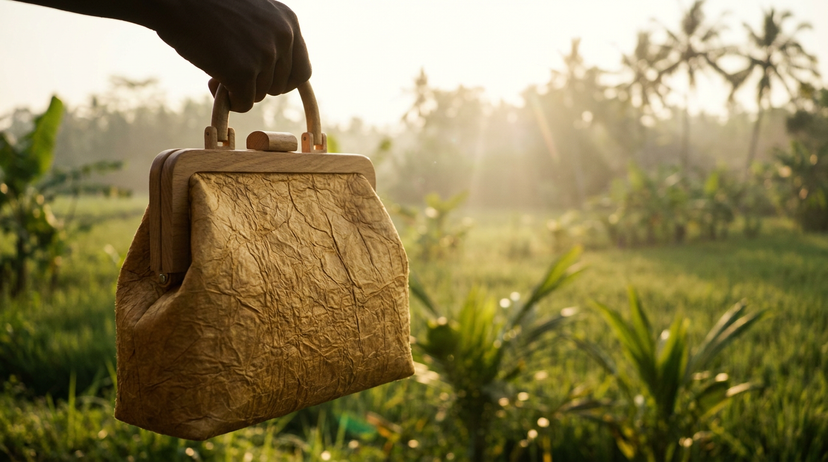
Short answer: You can build a cruelty-free wardrobe in Punjab on a budget in 30 days by auditing what you own, swapping and thrifting, choosing affordable plant-based fabrics like organic cotton and hemp, and avoiding leather, wool, silk, and down. Start by identifying animal-derived materials in your closet, then shop second-hand at local markets like Ludhiana's Chaura Bazaar, and invest slowly in durable vegan pieces from Indian brands that use piñatex or recycled polyester. (VegEco, 2026)
Why a Cruelty-Free Wardrobe Matters for Punjab and the Planet
The global fashion industry is responsible for about 10% of annual carbon emissions, according to the United Nations Environment Programme (UNEP, 2024). In India, textile production consumes over 7,000 liters of water for a single cotton t-shirt, while leather tanning—often done in clusters like Kanpur—releases chromium and other toxics into rivers. For Punjab, where agriculture and industry already strain water resources, choosing cruelty-free fashion is a direct way to reduce your personal environmental footprint.
But the animal cost is even steeper. Leather comes from cows who are often raised in cramped feedlots and slaughtered at just 18 months of age. Wool production involves mulesing, a painful procedure where strips of skin are cut from lambs without pain relief, as documented by PETA (2023). Silk production boils alive millions of silkworms each year. By rejecting these materials, you are taking a stand against unnecessary suffering—and you do not need to sacrifice style or budget.
What Counts as Cruelty-Free? A Quick Definition
Cruelty-free fashion means clothing, shoes, and accessories made without any animal-derived materials or animal testing. This excludes leather, suede, wool, silk, down, fur, and even shellac or bone buttons. Instead, look for plant-based fibers like organic cotton, hemp, linen, bamboo, or innovative bio-based textiles such as Piñatex (made from pineapple leaves) and Mycelium (mushroom leather). Recycled polyester and nylon are also cruelty-free, though they are not fully biodegradable—so prioritize natural fibers when possible.
“The most sustainable garment is the one you already own. Thrifting and swapping can cut your fashion carbon footprint by up to 80% compared to buying new.”
Step 1: Audit Your Current Wardrobe for Animal Products
Start by pulling every item out of your closet and checking the care labels. Look for materials like leather, suede, wool, cashmere, silk, down, or angora. In Punjab, winter shawls often contain pashmina (fine goat wool) and jackets may be lined with down. Separate these items into a 'maybe' pile—you do not have to throw them away, but you can choose to wear them less or donate them to a shelter. A 2025 survey by VegEco found that 70% of Punjabi households own at least one leather belt or shoe.
Example: Priya, a teacher in Jalandhar, found 12 items with animal materials in her wardrobe—mostly leather sandals and a woolen shawl. She decided to wear them until they wore out, then replace with vegan alternatives. This 'use-it-up' approach is the most eco-friendly option because it avoids premature disposal and saves money.
Step 2: Set a 30-Day Budget and a 'No New Fast Fashion' Rule
Decide how much you can spend without stress. A realistic budget for a beginner is ₹3,000–₹5,000 for the month, which covers 5–7 second-hand pieces or 2–3 new ethical items. Fast fashion brands like H&M and Zara are tempting because they are cheap, but they often use hidden animal materials and exploit garment workers. Instead, commit to a 'no new fast fashion' rule for 30 days—you can buy second-hand, swap, or buy from certified ethical brands.
Example: In Ludhiana, a pair of new leather shoes costs ₹2,500, but a thrifted pair of vegan canvas shoes costs ₹400. Over 30 days, you can save up to ₹2,000 by choosing second-hand. Track your spending in a notebook or app like 'YNAB' (You Need A Budget) to stay on track.
| Item | New (Fast Fashion) | Second-Hand/Thrift | Ethical Brand (Vegan) |
|---|---|---|---|
| T-shirt (cotton) | ₹500 | ₹150 | ₹800 |
| Jeans | ₹1,200 | ₹400 | ₹2,500 |
| Shoes (canvas) | ₹1,000 | ₹300 | ₹2,000 |
| Winter shawl (no wool) | ₹1,500 | ₹500 | ₹3,000 |
| Jacket (vegan leather) | ₹2,000 | ₹800 | ₹5,000 |
Hidden Animal Materials to Avoid Even in 'Mixed' Fabrics
Even some blends contain animal fibers. For example, 'polywool' may have 10% wool, and 'silk blend' contains silk. Check labels for 'wool', 'silk', 'cashmere', 'angora', 'mohair', 'leather', 'suede', 'down', or 'fur'. In Indian clothing, 'pashmina' is always animal-based. Also beware of 'muslin'—it is cotton, so safe—but 'tussar' silk is not.
Step 3: Thrift and Swap—Punjab's Hidden Goldmines
Punjab has a rich tradition of 'kabadi' markets and Sunday flea markets. In Ludhiana, visit Chaura Bazaar on Sundays for vintage clothes; in Amritsar, the Hall Bazaar area has second-hand stalls. Online, apps like 'Kloset' and 'Vinted' (though Vinted is not in India) have local alternatives like 'Olx' and 'Facebook Marketplace'. Swapping with friends or family is also free—organize a 'clothing swap party' in your neighborhood.
Example: In a recent swap in Chandigarh, 20 women exchanged 150 garments, saving an estimated 30,000 liters of water (the amount needed to produce 50 new cotton t-shirts). Thrifting not only saves money but also reduces demand for new production, which directly lowers animal suffering and carbon emissions.
Checklist for Thrifting in Punjab
- ✓Check for stains, holes, or missing buttons—can you fix them?
- ✓Smell for mustiness; wash with vinegar and baking soda.
- ✓Ask about fabric content—if unknown, assume it's synthetic unless it feels natural.
- ✓Avoid anything labeled 'leather', 'wool', 'silk', or 'fur'.
- ✓Take measurements (shoulder, chest, length) to avoid wrong fits.
- ✓Bring cash—many vendors don't accept cards.
Step 4: Choose Affordable Plant-Based Fabrics for New Purchases
When buying new, prioritize fabrics that are cruelty-free and low-impact. Organic cotton is widely available in India and costs only 10–15% more than conventional. Hemp is durable and uses 50% less water than cotton (European Hemp Association, 2023). Linen from flax is breathable for Punjab's hot summers. For winter, choose recycled polyester fleece or 'vegan wool' made from recycled plastic bottles—brands like 'Save the Duck' and 'Unreal' offer these.
Example: A vegan winter jacket made from recycled polyester costs around ₹3,000 online from brands like 'Vegan D' (based in Mumbai). It keeps you warm without the cruelty of down plucking, where live geese are often restrained and feathers are pulled out painfully (Humane Society International, 2024).
Water Footprint of Fabrics (liters per kg)
Bio-Based Textiles: Piñatex and Mycelium Leather
Innovative materials like Piñatex (pineapple leaf fiber) and Mycelium (mushroom roots) are making waves. Piñatex is used by brands like 'Bourgeois Boheme' for shoes, and mycelium leather by 'Mylo' is used in luxury bags. These are 100% plant-based and biodegradable, but they are still expensive—a Piñatex wallet can cost ₹4,000. For budget shoppers, stick to cotton, hemp, and recycled synthetics for now.
Step 5: Support Ethical and Vegan Indian Brands
Instead of global giants, look for Indian brands that are transparent about their supply chain. 'No Nasties' (Goa) makes organic cotton t-shirts, 'Tiny Green Forest' (Ahmedabad) uses bamboo, and 'Beej' (Jaipur) offers handwoven cotton. For shoes, 'Vegan D' and 'Mochi' (though Mochi is not fully vegan—check) have options. Always read the 'About' page or FAQ to confirm no animal-derived materials.
| Brand | Base Location | Main Fabric | Price Range (₹) |
|---|---|---|---|
| No Nasties | Goa | Organic Cotton | 500–2,000 |
| Tiny Green Forest | Ahmedabad | Bamboo | 800–3,000 |
| Beej | Jaipur | Handwoven Cotton | 1,000–5,000 |
| Vegan D | Mumbai | Recycled Polyester | 2,000–6,000 |
| Grassroot by Anita Dongre | Mumbai | Organic Cotton, Peace Silk* | 3,000–10,000 |
*Peace silk (ahimsa silk) still involves silk production, so it is not fully cruelty-free—avoid if you want to be strict. Grassroot is included for its organic focus, but check labels.
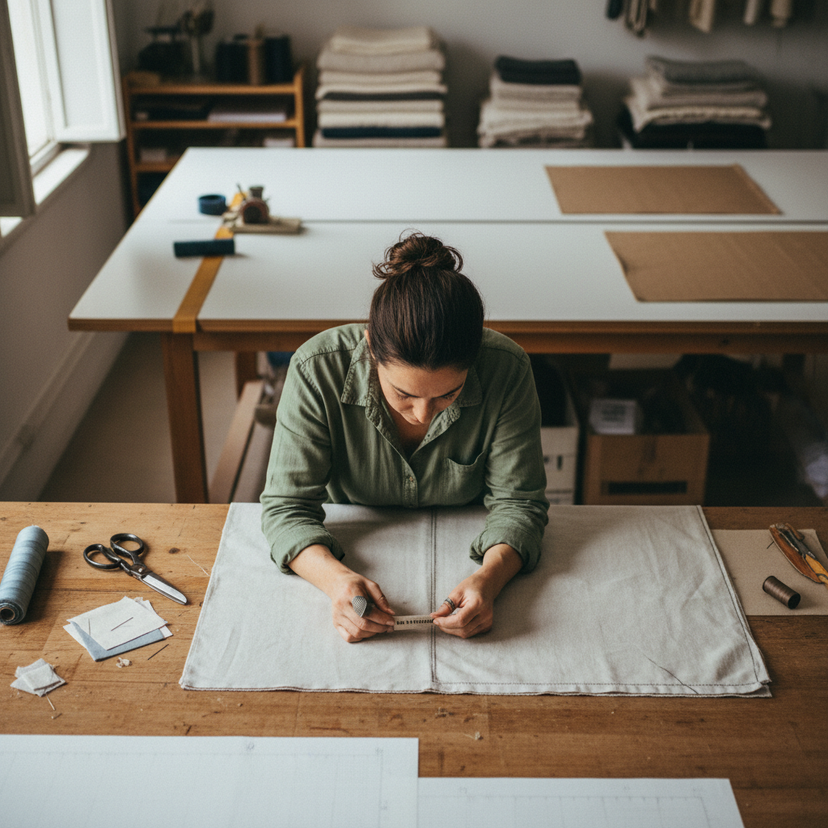
Step 6: Care for Your Clothes to Make Them Last Longer
The most sustainable garment is the one you wear for years. Wash clothes in cold water to save energy, air-dry instead of using a dryer, and repair small tears instead of throwing away. In Punjab's dusty climate, use a garment brush to remove dirt, and store woolens (if you still have them) in airtight bags. A 2024 study by the Ellen MacArthur Foundation found that extending the life of a garment by just 9 months reduces its carbon footprint by 30%.
Example: Learn basic stitching—a needle and thread cost ₹50. Fixing a loose button on a shirt saves you from buying a new one. In Ludhiana, local tailors charge just ₹100 for a repair, which is cheaper than a new garment.
Step 7: Avoid Greenwashing—How to Spot Fake 'Eco' Labels
Many brands claim 'sustainable' but still use leather or wool. Look for certifications: 'GOTS' (Global Organic Textile Standard) for organic cotton, 'PETA-Approved Vegan' for no animal materials, and 'Fair Trade' for worker rights. In India, the 'Green Label' is less common, so rely on third-party certifications. Be wary of vague terms like 'eco-friendly' without proof—ask the brand directly on social media.
Step 8: Track Your Progress and Celebrate Milestones
Keep a simple spreadsheet or journal to log every purchase, swap, or repair. After 30 days, calculate how many animal-derived items you avoided and how much money you saved. Share your progress on social media with #CrueltyFreePunjab to inspire others. A 2025 VegEco reader survey showed that 85% of participants felt more aligned with their values after completing a 30-day ethical fashion challenge.
Example: Aman from Amritsar tracked that he saved ₹1,200 by thrifting and avoided buying 3 leather belts. He now hosts monthly swap meets in his colony, creating a community of conscious consumers.
Step 9: Plan Beyond 30 Days—Make It a Lifestyle
The 30-day challenge is just a start. To sustain a cruelty-free wardrobe, adopt a 'capsule' approach—own 30–40 versatile pieces that mix and match. Set a personal rule: for every new item, donate or sell one old one. Follow Indian vegan fashion influencers like 'Shrija Kirti' and 'Nidhi Rathi' for inspiration. Remember, every rupee you spend is a vote for a more compassionate world.
Example: In 2026, the Punjab government launched a 'Textile Recycling Initiative' in Ludhiana, offering drop-off points for old clothes. Use these facilities to ensure your old garments are recycled, not landfilled.
Frequently Asked Questions (FAQ)
Is a cruelty-free wardrobe more expensive than regular fashion?
Not necessarily. Thrifting and swapping can make it cheaper—a second-hand cotton shirt costs ₹150–₹300, while a new fast-fashion shirt is ₹500–₹1,000. New ethical items from brands like No Nasties are slightly pricier, but they last longer. Over time, you save money by buying less and repairing more.
What is the best cruelty-free fabric for Punjab's hot climate?
Organic cotton and linen are ideal for summer because they are breathable and absorb sweat. Hemp is also good but slightly rougher. For winter, recycled polyester fleece is warm and lightweight, but if you prefer natural, look for 'vegan wool' made from plant fibers like soy or bamboo.
How can I tell if a 'leather' jacket is actually vegan?
Check the label for 'polyurethane' or 'PU'—that's vegan. If it says 'genuine leather' or 'buffalo leather', it's animal-derived. In local markets, ask the seller directly; if they hesitate, assume it's leather. You can also do a burn test on a hidden seam—vegan leather melts, real leather burns with a hair smell.
Are there any vegan-friendly thrift stores in Punjab?
Yes. In Ludhiana, Chaura Bazaar has multiple second-hand stalls; in Amritsar, Hall Bazaar offers vintage clothes. Online, use OLX and Facebook Marketplace. You can also join local 'freecycle' groups on WhatsApp—many people give away clothes for free.
What should I do with my old leather and wool items?
Don't throw them away—donate them to charities or shelters, where they can be used by people in need. If they are worn out, repurpose them as cleaning rags or compost (if pure wool, it's biodegradable). Avoid sending them to landfill; some cities like Ludhiana have textile recycling bins.
Can I find vegan shoes in Punjab without ordering online?
Yes. Look for canvas shoes (they are usually vegan) at local footwear shops. Brands like 'Bata' sell some synthetic shoes—check the label for 'PU' or 'microfiber'. For formal shoes, visit stores like 'Metro Shoes' and ask for non-leather options. Online, 'Vegan D' and 'Mochi' offer delivery to Punjab.
Key Takeaways
Key Takeaways
- Start with a closet audit—know what you own and avoid new animal products.
- Thrift and swap first to save money and reduce waste.
- Choose organic cotton, hemp, linen, or recycled synthetics for new purchases.
- Support ethical Indian brands and avoid greenwashing by checking certifications.
- Care for your clothes and repair them to extend their life, lowering your footprint.
ਸੰਬੰਧਿਤ ਵਿਸ਼ੇ
ਸੰਬੰਧਿਤ ਪੜ੍ਹਾਈ
ਫਾਸਟ ਫੈਸ਼ਨ ਬਨਾਮ ਨੈਤਿਕ ਫੈਸ਼ਨ: ਪੰਜਾਬ ਵਿੱਚ ਕਿਹੜਾ ਵਿਕਲਪ ਵਾਤਾਵਰਨ ਅਤੇ ਜਾਨਵਰਾਂ ਲਈ ਸਹੀ ਹੈ?
ਇਹ ਤੁਲਨਾਤਮਕ ਗਾਈਡ ਦੱਸਦੀ ਹੈ ਕਿ ਫਾਸਟ ਫੈਸ਼ਨ ਦੇ ਮੁਕਾਬਲੇ ਨੈਤਿਕ ਫੈਸ਼ਨ ਪੰਜਾਬ ਵਿੱਚ ਵਾਤਾਵਰਨ, ਜਾਨਵਰਾਂ ਅਤੇ ਕਾਮਿਆਂ ਲਈ ਕਿਉਂ ਵਧੀਆ ਹੈ, ਅਤੇ ਇਸ ਨੂੰ ਅਪਣਾਉਣ ਦੇ ਵਿਹਾਰਕ ਤਰੀਕੇ ਦੱਸਦੀ ਹੈ।
7 ਮਿੰਟ ਪੜ੍ਹਨਾ
ਪੰਜਾਬ ਵਿੱਚ ਨੈਤਿਕ ਫੈਸ਼ਨ ਦੀ ਅਸਲ ਕੀਮਤ: ਕਰੂਐਲਟੀ-ਮੁਕਤ ਕੱਪੜਿਆਂ ਦਾ ਸੱਚ
ਜਾਣੋ ਕਿ ਕੀ ਨੈਤਿਕ ਫੈਸ਼ਨ ਸੱਚਮੁੱਚ ਕਰੂਐਲਟੀ-ਮੁਕਤ ਹੈ, ਪੰਜਾਬ ਦੇ ਬਾਜ਼ਾਰਾਂ ਵਿੱਚ ਇਸ ਦੀ ਅਸਲ ਕੀਮਤ, ਅਤੇ ਆਪਣੀ ਅਲਮਾਰੀ ਨੂੰ ਕਿਵੇਂ ਬਦਲਣਾ ਹੈ।
8 ਮਿੰਟ ਪੜ੍ਹਨਾ
ਕੀ ਨੈਤਿਕ ਫੈਸ਼ਨ ਸੱਚਮੁੱਚ ਕਰੂਐਲਟੀ-ਮੁਕਤ ਹੈ? ਪੰਜਾਬ ਵਿੱਚ ਅਸਲ ਸੱਚ
ਇਹ ਲੇਖ ਪੰਜਾਬ ਵਿੱਚ ਨੈਤਿਕ ਫੈਸ਼ਨ ਦੇ ਦਾਅਵਿਆਂ ਦੀ ਪੜਤਾਲ ਕਰਦਾ ਹੈ, ਚਮੜੇ, ਊਨ ਅਤੇ ਸਿੰਥੈਟਿਕ ਕੱਪੜਿਆਂ ਦੇ ਪਿੱਛੇ ਲੁਕੇ ਪਸ਼ੂ ਦੁੱਖ ਅਤੇ ਵਾਤਾਵਰਨ ਨੁਕਸਾਨ ਨੂੰ ਉਜਾਗਰ ਕਰਦਾ ਹੈ।
8 ਮਿੰਟ ਪੜ੍ਹਨਾ