How to Build a Cruelty-Free Wardrobe in Punjab in 30 Days: PETA-Approved Vegan Leather
Discover a step-by-step 30-day plan to replace leather, wool, and silk with ethical, plant-based alternatives, endorsed by PETA India, and align your fashion with Punjab's climate goals.
ਛੋਟਾ ਜਵਾਬ: Building a cruelty-free wardrobe in Punjab in 30 days is absolutely possible on a budget of ₹8,000–₹15,000 by prioritizing secondhand finds, swapping leather, wool, and silk for PETA-Approved vegan alternatives like cotton, hemp, and pineapple leather, and using local thrift stores in Amritsar, Ludhiana, and Chandigarh. Start with a closet audit, identify animal-based items to replace, and follow a weekly plan that includes buying from cruelty-free Indian brands and repairing rather than replacing.
The global fashion industry is responsible for around 10% of annual carbon emissions, and animal-based materials like leather and wool carry a heavy environmental and ethical toll. In Punjab, where textile manufacturing is a major industry, the shift to cruelty-free fashion is not just a personal choice—it’s a regional opportunity. According to the Food and Agriculture Organization (2024), livestock production, including leather and wool, accounts for 14.5% of global greenhouse gas emissions. This guide will walk you through a practical 30-day transition, with local prices, brands, and policies tailored to Punjab.
Why Should You Choose a Cruelty-Free Wardrobe in Punjab?
A cruelty-free wardrobe means avoiding all materials derived from animals—leather, suede, wool, silk, down, and fur—and instead using plant-based or recycled alternatives. In Punjab, where dairy and leather industries are significant, choosing vegan fashion directly reduces demand for animal exploitation. Leather production involves raising and slaughtering billions of animals annually; for example, in India, over 200 million animals are slaughtered for leather each year (PETA India, 2024).
Beyond ethics, the environmental case is compelling. Tanning leather uses toxic chemicals like chromium, which contaminates water sources—a critical issue in Punjab, where groundwater is already depleted. The Punjab State Action Plan on Climate Change (2023) highlights the need for sustainable industrial practices. By opting for cruelty-free materials, you reduce your water footprint, lower carbon emissions, and support a cleaner, more humane garment industry.
Step 1: Audit Your Current Closet and Identify Animal-Based Materials
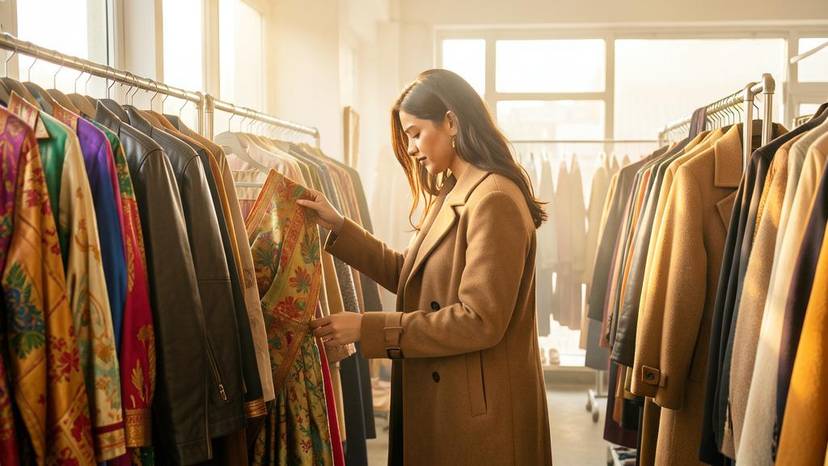
Begin by emptying your wardrobe and sorting items into three piles: keep (vegan), replace (animal-based), and donate. Look for labels like leather, suede, wool, silk, cashmere, and down. In Punjab, common items include leather jackets, mojari shoes, woolen shawls, and silk suits. Make a list of what you need to replace, prioritizing items you wear most often.
For example, if you have a leather belt and a woolen sweater, note them as priorities. Use the app “Vegan Pocket” (available in India) to scan barcodes and check if materials are vegan. This step helps you avoid impulse buying and sets a clear budget. According to a 2024 survey by the Fashion Revolution, 65% of Indian consumers are unaware of animal-derived materials in their clothing, so this audit is crucial.
What Materials Should You Avoid?
Animal-Based Materials to Replace in 30 Days
- ✓Leather and suede (jackets, shoes, bags, belts)
- ✓Wool and cashmere (sweaters, shawls, socks)
- ✓Silk (sarisa, suits, scarves)
- ✓Down and feathers (jackets, pillows)
- ✓Fur (trim, coats)
Replace these with PETA-Approved vegan alternatives: cotton canvas, hemp, linen, bamboo, recycled polyester, and innovative materials like Piñatex (made from pineapple leaves) and apple leather. In Punjab, you can find organic cotton at Khadi Gramodyog stores, and vegan leather at brands like Vegetarian Shoes and Matt & Nat, which ship to India. The cost of a vegan leather jacket in India ranges from ₹2,000 to ₹8,000, comparable to animal leather.
Step 2: Set a Realistic Budget and Timeline for 30 Days
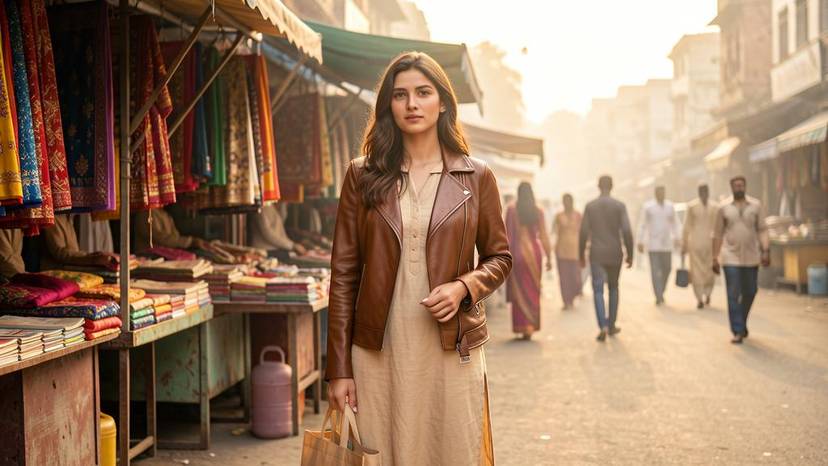
Allocate a budget of ₹8,000–₹15,000 for the entire month, depending on how many items you need to replace. Break it down weekly: ₹2,000–₹4,000 per week for key pieces. Use cash or a separate bank account to avoid overspending. Remember that secondhand items can cut costs by 50–70%, so check local markets in Amritsar’s Hall Bazaar or online platforms like OLX and Facebook Marketplace.
A timeline helps: Week 1—audit and declutter; Week 2—research brands and visit thrift stores; Week 3—buy essential replacements (shoes, jackets); Week 4—accessories and final swaps. Track your spending with a simple spreadsheet or app like Money Manager. This structured approach ensures you stay within budget and avoid fast-fashion pitfalls.
| Item | New Vegan Price | Secondhand Price | Alternative |
|---|---|---|---|
| Leather jacket | ₹5,000–₹8,000 | ₹1,500–₹3,000 | Vegan leather (Piñatex) |
| Shoes (formal) | ₹2,500–₹5,000 | ₹800–₹1,500 | Canvas or recycled rubber |
| Woolen sweater | ₹1,500–₹3,000 | ₹500–₹1,000 | Organic cotton knit |
| Silk scarf | ₹800–₹1,500 | ₹200–₹500 | Bamboo or modal scarf |
| Belt | ₹500–₹1,000 | ₹200–₹400 | Cotton webbing or cork |
Step 3: Explore PETA-Approved Vegan Leather and Plant-Based Textiles
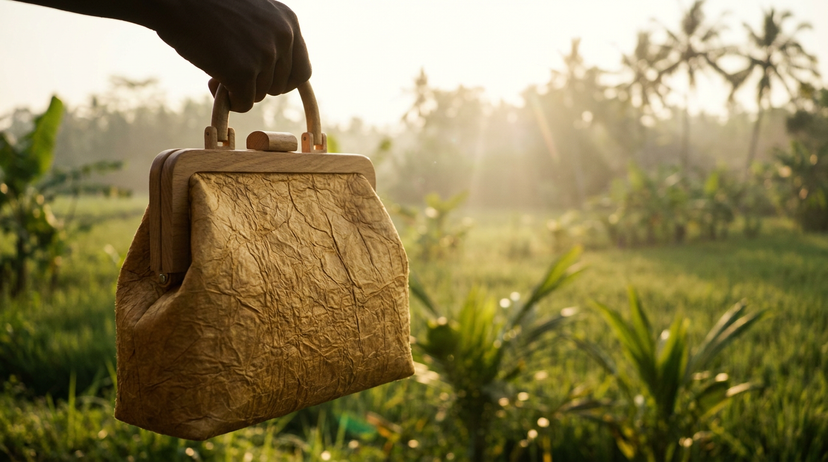
PETA India approves brands that use 100% vegan materials. Look for the “PETA-Approved Vegan” logo on clothing and accessories. Popular plant-based textiles include organic cotton, hemp, and lyocell (from wood pulp). Innovative materials like Piñatex (made from pineapple leaf fibers) and Desserto (cactus leather) are now available in Indian online stores like The Vganic Store and Vegan Dukaan.
For example, the brand “Roots” based in Ludhiana offers vegan leather bags made from apple peels, priced around ₹2,000. Another option is “Malai” from Kerala, which uses coconut water and banana fiber. When shopping, ask for material certifications like GOTS (Global Organic Textile Standard) to ensure environmental and social standards. According to a 2024 report by the Textile Exchange, the global market for plant-based leather is projected to grow 50% by 2026, reflecting consumer demand.
“Switching to vegan fashion is not about sacrifice; it's about aligning your wardrobe with your values. In Punjab, we have a rich tradition of cotton and khadi, which are naturally cruelty-free.”
Step 4: Shop Secondhand and Swap to Reduce Waste
Secondhand shopping is a cornerstone of cruelty-free fashion. In Punjab, visit thrift markets like Amritsar’s Sarai Amanat Khan, Ludhiana’s Chaura Bazaar, or online platforms like Poshmark India and Instagram thrift stores. You can find leather-free items at a fraction of the cost. For instance, a secondhand cotton shirt costs ₹200–₹500 versus ₹1,000 new. Plus, buying used reduces demand for new animal-based products and extends the life of garments.
Organize a clothing swap with friends or local community groups. The “Swap Party” initiative in Chandigarh has hosted events since 2023, exchanging over 500 garments. This not only saves money but also fosters a circular economy. According to the Ellen MacArthur Foundation (2024), extending the life of clothing by just 9 months reduces carbon, waste, and water footprints by 20-30%.
Top Secondhand Spots in Punjab for Vegan Finds
- Hall Bazaar, Amritsar – vintage cotton kurtas and dupattas
- Chaura Bazaar, Ludhiana – secondhand jackets and shoes
- Sector 17 Flea Market, Chandigarh – international secondhand
- Online: OLX, Facebook Marketplace, Instagram thrift stores (@thrift.punjab)
Step 5: Choose Cruelty-Free and Sustainable Brands in India
Several Indian brands specialize in vegan and ethical fashion. “Vegan Leather India” in Mumbai offers bags and jackets, while “The Vegan Dukaan” ships nationwide. For footwear, “Vegetarian Shoes” has a distributor in Delhi, and “No Evil Foods” (not fashion, but a good example of vegan branding) shows the growth of plant-based products. Look for brands that are transparent about their supply chain and have certifications like PETA or Vegan Society.
Local artisans in Punjab also create cruelty-free products. For example, “Phulkari” embroidery is traditionally done on cotton, so you can support local crafts without animal materials. Brands like “The Khadi Store” (government-run) sell organic cotton and khadi items, which are naturally vegan. When purchasing, check the label for “100% cotton” or “plant-based” to avoid blends with wool or silk.
Step 6: Learn to Care for Your Vegan Garments to Extend Their Life
Proper care reduces the need for replacements, saving money and resources. Vegan leather should be wiped with a damp cloth and conditioned with plant-based oils like coconut oil. Cotton and hemp can be machine-washed in cold water to save energy. Avoid dry cleaning, which uses chemicals that harm the environment. According to a 2023 study by the University of Leeds, washing in cold water reduces energy use by 80% compared to hot water.
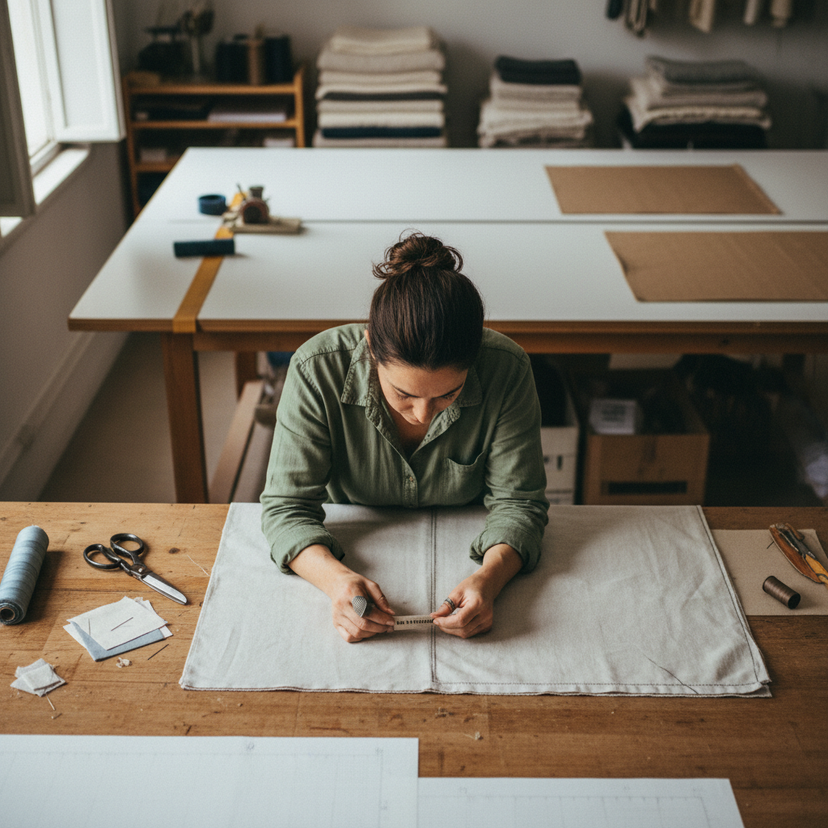
Repair small tears with a needle and thread instead of buying new. For example, if a vegan leather bag strap breaks, take it to a local cobbler in Amritsar who can fix it for ₹50–₹100. This extends the garment's life and keeps it out of landfills. In Punjab, where textile waste is a growing issue, repair culture is gaining traction through community workshops like “Stitch and Share” in Jalandhar.
Water Footprint of Fabrics (liters per kg)
Step 7: Deal with Sentimental Items and Donate Responsibly
You may have heirloom silk sarees or woolen shawls passed down in your family. While the goal is to avoid new animal-based products, you can keep sentimental items as keepsakes or repurpose them—for example, turn a silk saree into a decorative wall hanging. Alternatively, donate them to organizations like Goonj, which redistributes clothing to those in need, ensuring they are not wasted. This approach honors the past while aligning with a cruelty-free future.
For items that are worn out, check if they can be recycled. Textile recycling facilities are emerging in Punjab; for instance, the “Waste-to-Wear” initiative in Ludhiana collects old clothes and converts them into insulation materials. This prevents landfilling and supports the circular economy. Remember, the most sustainable garment is the one you already own, so only replace what is necessary.
Troubleshooting: Common Challenges and Solutions
Frequently Asked Questions (FAQ)
Is vegan leather as durable as animal leather?
Modern vegan leather made from polyurethane or plant-based materials like Piñatex can be just as durable, with proper care lasting 5-10 years. Animal leather also degrades over time, especially if not conditioned. In a 2024 test by Textile Exchange, Piñatex showed similar tensile strength to cow leather. For everyday use, vegan leather shoes and bags in India have proven to withstand monsoon conditions when treated with a water-repellent spray.
How much does it cost to go cruelty-free in Punjab?
On average, a full wardrobe transition costs ₹10,000–₹20,000 if buying new, but can be as low as ₹5,000 if you shop secondhand. For example, a vegan leather jacket from a local brand costs ₹4,000, while a secondhand cotton jacket might be ₹800. The key is to prioritize items you wear most. Over time, you'll save money as vegan garments often last longer with proper care.
Are there any vegan leather brands in Punjab?
Yes, while there are no major vegan leather manufacturers in Punjab, you can find items at local boutiques in Ludhiana and Amritsar that source from Indian brands like “Vegan Leather India” and “The Vganic Store”. Online platforms like Myntra and Amazon India offer vegan leather shoes and bags from brands like “Mochi” and “H&M” (their vegan lines). You can also order custom-made vegan leather items from tailors using fabric from stores like “Sari World” in Chandigarh.
What is the most eco-friendly alternative to silk?
The best silk alternatives are plant-based fabrics like bamboo, modal (from beech trees), and peace silk (which is still animal-derived but cruelty-free? Actually, peace silk allows the silkworm to emerge, but it's still from an animal). For a fully vegan option, choose organic cotton or hemp with a soft drape. Brands like “The Loom” in India offer bamboo silk sarees that mimic the sheen of silk without harming silkworms. According to a 2023 LCA study, bamboo has a lower water footprint than silk by 90%.
Can I find secondhand vegan leather in Amritsar?
Yes, you can find secondhand vegan leather items in thrift markets like Hall Bazaar and online on Instagram thrift stores like @thrift.amritsar. However, it's important to check labels carefully, as many secondhand items may be made of animal leather. Look for tags that say 'PU' or 'polyurethane' or ask the seller. If unsure, skip the item to avoid inadvertently supporting animal products.
Does the Punjab government support sustainable fashion?
The Punjab government has policies promoting sustainable industries, including the Punjab Textile Policy (2022) which encourages eco-friendly production. However, there are no specific incentives for vegan fashion. Nevertheless, the state's focus on reducing pollution and water usage aligns with cruelty-free choices. You can support initiatives like the 'Green Punjab Mission' by choosing sustainable brands and advocating for better labeling standards.
Key Takeaways: Your 30-Day Cruelty-Free Wardrobe Plan
Key Takeaways Checklist
- Audit your closet and remove all animal-based materials.
- Set a budget of ₹8,000–₹15,000 for 30 days.
- Shop secondhand at local markets and online thrift stores.
- Choose PETA-Approved vegan leather and plant-based textiles.
- Support Indian brands like The Vganic Store and Roots.
- Care for your vegan garments to extend their life.
- Donate or repurpose sentimental animal-based items.
ਸੰਬੰਧਿਤ ਵਿਸ਼ੇ
ਸੰਬੰਧਿਤ ਪੜ੍ਹਾਈ
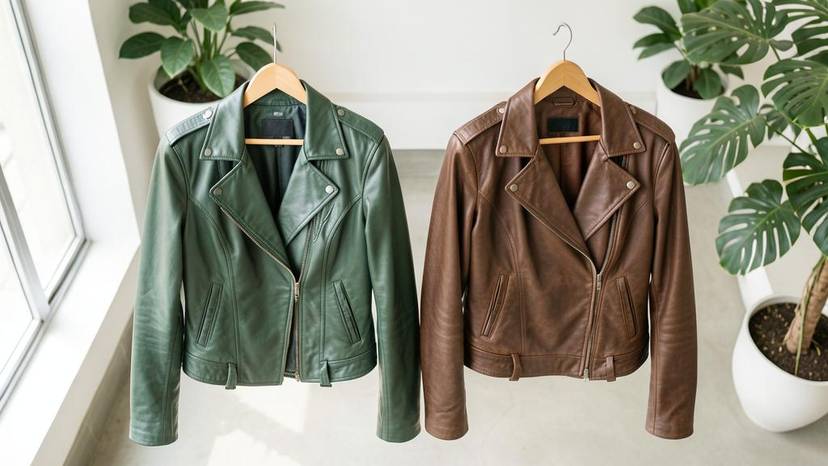
ਵੀਗਨ ਲੈਦਰ ਬਨਾਮ ਅਸਲੀ ਚਮੜਾ: ਪੰਜਾਬ 2026 ਵਿੱਚ ਕਿਹੜਾ ਨੈਤਿਕ ਫੈਸ਼ਨ ਸਹੀ ਹੈ?
ਵੀਗਨ ਲੈਦਰ ਅਤੇ ਅਸਲੀ ਚਮੜੇ ਦੀ ਡੂੰਘੀ ਤੁਲਨਾ: ਕੀਮਤ, ਟਿਕਾਊਤਾ, ਵਾਤਾਵਰਨ ਪ੍ਰਭਾਵ ਅਤੇ ਜਾਨਵਰਾਂ ਦੇ ਅਧਿਕਾਰਾਂ ਦੇ ਨਜ਼ਰੀਏ ਤੋਂ ਜਾਣੋ ਕਿ ਪੰਜਾਬ 2026 ਵਿੱਚ ਤੁਹਾਡੇ ਲਈ ਕਿਹੜਾ ਸਭ ਤੋਂ ਵਧੀਆ ਵਿਕਲਪ ਹੈ।
7 ਮਿੰਟ ਪੜ੍ਹਨਾ
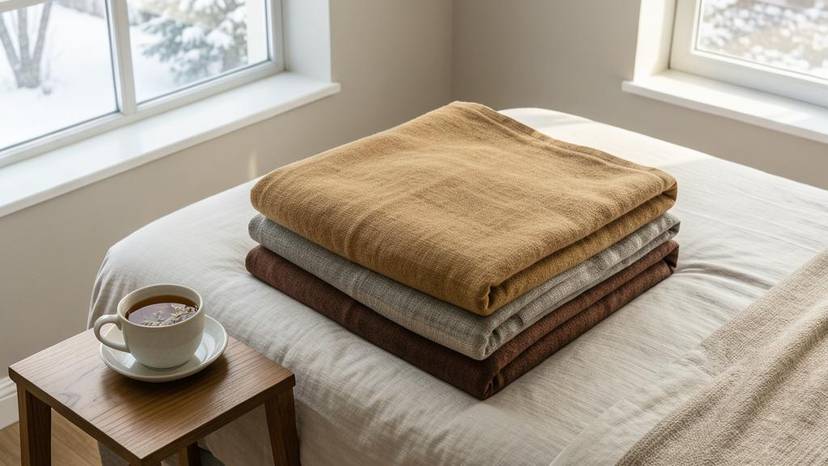
ਊਨ ਤੋਂ ਬਿਨਾਂ ਨਿੱਘ: ਪੰਜਾਬ 2026 ਵਿੱਚ ਕਰੂਐਲਟੀ-ਫ੍ਰੀ ਕੰਬਲ ਅਤੇ ਰਜਾਈ ਸਵੈਪ ਗਾਈਡ
ਜਾਨਵਰਾਂ ਦੀ ਊਨ, ਡਾਊਨ ਅਤੇ ਫਰ ਨੂੰ ਅਲਵਿਦਾ ਕਹਿ ਕੇ ਪੰਜਾਬ ਦੀਆਂ ਸਰਦੀਆਂ ਵਿੱਚ ਨਿੱਘੇ ਰਹਿਣ ਦੇ 12 ਵਿਗਿਆਨਕ, ਨੈਤਿਕ ਅਤੇ ਵਾਤਾਵਰਣ-ਅਨੁਕੂਲ ਤਰੀਕੇ — ਪੂਰੀ ਸਵੈਪ ਗਾਈਡ 2026।
8 ਮਿੰਟ ਪੜ੍ਹਨਾ
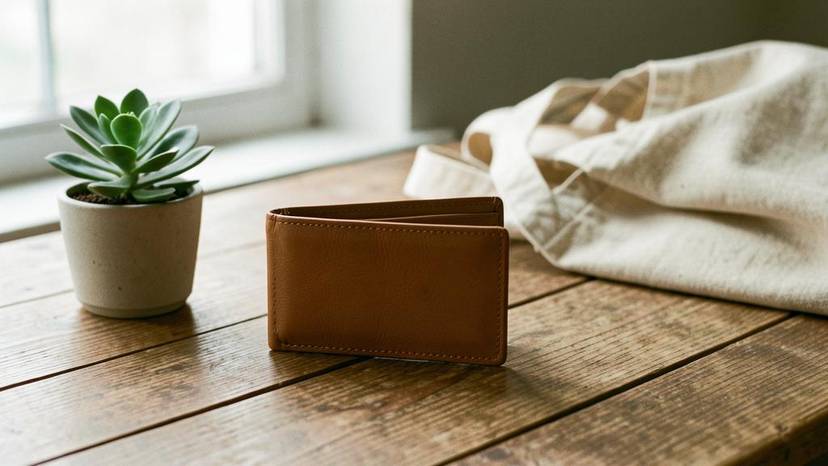
ਨੈਤਿਕ ਫੈਸ਼ਨ ਦੀ ਅਸਲ ਲਾਗਤ: ਪੰਜਾਬ ਵਿੱਚ ਵੀਗਨ ਲੈਦਰ ਬਟੂਏ ਦਾ ਪੂਰਾ ਬਜਟ ਵਿਸ਼ਲੇਸ਼ਣ
ਜਾਣੋ ਕਿ ਚਮੜੇ ਦੇ ਬਟੂਏ ਦੀ ਥਾਂ ਵੀਗਨ ਲੈਦਰ ਬਟੂਆ ਖਰੀਦਣ 'ਤੇ ਕਿੰਨਾ ਖਰਚਾ ਆਉਂਦਾ ਹੈ, ਕੀ ਬਚਤ ਹੁੰਦੀ ਹੈ ਅਤੇ ਕਿੰਨੇ ਸਾਲਾਂ ਵਿੱਚ ਨਿਵੇਸ਼ ਵਾਪਸ ਮਿਲਦਾ ਹੈ।
5 ਮਿੰਟ ਪੜ੍ਹਨਾ