How to Start Bokashi Composting in Punjab: 30-Day Zero-Waste Guide
Learn how to start bokashi composting in Punjab in 30 days, turning kitchen waste into soil food while cutting methane and helping your garden thrive.
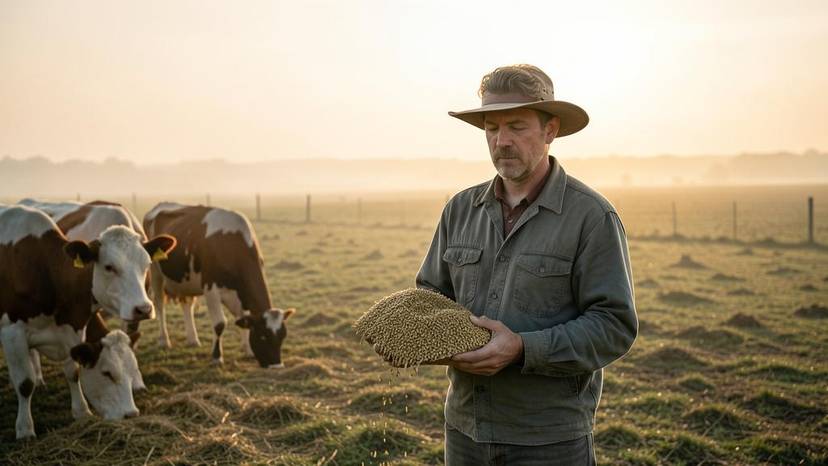
Short answer: Bokashi composting is a fermentation method that uses effective microorganisms to break down all kitchen waste, including cooked food and dairy, in an airtight bin. In Punjab, you can start bokashi composting in 30 days with a simple bucket, bokashi bran, and a daily routine—no garden needed, and it produces a nutrient-rich soil amendment that fights methane emissions. According to the UN Environment Programme (2024), food waste contributes 8-10% of global greenhouse gas emissions, and bokashi can cut your household's methane footprint by up to 84% compared to landfilling.
What is bokashi composting and why does it matter in Punjab?
Bokashi is a Japanese word meaning 'fermented organic matter.' Unlike traditional aerobic composting, bokashi ferments waste anaerobically using a mix of beneficial microbes—lactic acid bacteria, yeast, and phototrophic bacteria—inoculated into wheat bran or rice bran. The process is faster, odor-free, and can handle meat, fish, and dairy, which are often avoided in other home composting methods.
In Punjab, where agriculture is the backbone, soil health is degrading due to chemical fertilizers and stubble burning. The Punjab Agricultural University (PAU) in Ludhiana has promoted organic farming, but household food waste remains a blind spot. According to the Food and Agriculture Organization (FAO, 2023), India generates 68.7 million tonnes of food waste annually, and Punjab's urban centers like Ludhiana, Amritsar, and Jalandhar contribute significantly. Bokashi offers a decentralized solution that reduces landfill burden and creates a free soil conditioner for home gardens.
Bokashi vs. traditional composting: which is better for Punjabi homes?
Traditional composting requires a balance of green and brown materials, regular turning, and space for a pile or bin. In Punjab's apartment-heavy cities, space is a constraint. Bokashi works in a 5-gallon bucket you can keep under the sink. It also handles cooked food, which traditional composters avoid because it attracts pests and smells. However, bokashi is a two-stage process—the fermented waste must be buried in soil to break down further, so you still need a small garden or planter for the final step.
| Feature | Bokashi | Traditional Composting |
|---|---|---|
| Space needed | Tiny, indoor-friendly | Requires outdoor space |
| Types of waste | All food waste including meat, dairy | Fruit/veg scraps only, no meat/dairy |
| Odor | Minimal, sweet-sour smell | Can be strong if unbalanced |
| Pests | None if sealed | Flies, rodents possible |
| Time to usable | 2-4 weeks fermentation + 2-4 weeks in soil | 3-6 months |
For Punjabi households that cook heavy meals—dal, sabzi, roti, and sometimes paneer—bokashi is a game-changer because it can handle leftover roti and even paneer scraps. The final product, when buried, enriches soil with organic matter and beneficial microbes, improving water retention and nutrient availability. A study by the Indian Institute of Soil Science (2022) found that bokashi-amended soil increased wheat yield by 12% compared to chemical-only plots.
Step 1: Gather your bokashi starter kit in Punjab
You need a bokashi bin (or two buckets stacked), bokashi bran, and a spray bottle for water. In Punjab, you can buy ready-made bokashi bins from online stores like Amazon India or local eco-shops in Ludhiana and Chandigarh. A 20-liter bucket with a spigot costs around ₹800–₹1,200. Bokashi bran—usually 1 kg—costs ₹300–₹500 and lasts about a month for a family of four. Alternatively, you can make your own bran using wheat bran, molasses, and a microbial starter culture from a local organic farm.
Ensure your bin has a tight-fitting lid and a drain to collect the 'bokashi tea'—a liquid fertilizer that drips out. You'll also need a small container to collect kitchen waste daily. Pro tip: Use a stainless steel bucket with a lid to avoid plastic leaching. In Punjab, you can find these at kitchenware markets in Ludhiana's Ghumar Mandi or Jalandhar's G.T. Road.
Bokashi starter kit checklist
- ✓Airtight bokashi bin (20L) with a spigot
- ✓1 kg bokashi bran (wheat or rice bran based)
- ✓Spray bottle with water
- ✓Small countertop caddy for daily scraps
- ✓A shovel or trowel for burying the fermented waste
Step 2: Set up your bokashi bin correctly
Place your bin in a cool, dry spot—under the kitchen sink or in a pantry. Open the spigot and place a small container underneath to collect the tea. Line the bottom of the bin with a layer of bokashi bran—about 2 cm thick. This creates a bed of microbes that will start fermenting the first scraps. Make sure the lid is sealed after each addition to maintain anaerobic conditions.
In Punjab's hot summers, temperatures can exceed 40°C, so avoid placing the bin in direct sunlight. A cupboard or a shaded corner works best. If you live in a high-rise in Mohali or Zirakpur, you can still manage—the bin is odorless if sealed properly. The fermentation process works best between 15-35°C, so indoor placement is ideal year-round.
Step 3: Add food waste daily—and press it down
Collect kitchen scraps in your caddy throughout the day. Chop large pieces into smaller chunks (about 2.5 cm) to speed up fermentation. Add the waste to the bin, then sprinkle a handful of bokashi bran over each layer—about 1 tablespoon per 2-3 cm of waste. Press down firmly with a potato masher to remove air pockets, which are harmful to the anaerobic process. Seal the lid immediately.
You can add all types of food waste: fruit peels, vegetable trimmings, cooked rice, dal, roti, bread, coffee grounds, tea leaves, and even small amounts of dairy and meat. Avoid adding liquids in excess—drain them first. In Punjabi households, common waste includes potato peels from aloo parathas, onion skins from sabzi, and leftover chai leaves. Each of these ferments well.
Step 4: Drain the bokashi tea every 2-3 days
As the waste ferments, it releases a dark, tangy liquid called bokashi tea. Open the spigot every 2-3 days and collect the liquid in a container. This tea is a potent liquid fertilizer—dilute it at a ratio of 1:100 with water and use it to water your plants. In Punjab, you can use it on your tulsi (holy basil) pots, marigold beds, or even on your lawn. Do not let the tea sit for more than a day, as it loses potency.
If the tea smells rotten rather than sweet-sour, you've added too much waste without enough bran. Add more bran and reduce the waste volume temporarily. The tea can also be poured down the drain—it's a natural drain cleaner that helps break down grease. But for maximum benefit, use it in your garden. A study by the Central Institute of Post-Harvest Engineering and Technology (CIPHET) in Ludhiana (2021) found that bokashi tea increased tomato yield by 18%.
Step 5: Fill the bin and let it ferment for 2 weeks
Continue adding waste and bran until the bin is full—this usually takes 1-2 weeks for an average family of four. Once full, press the top layer flat, sprinkle a final generous layer of bran (1 cm thick), and seal the lid. Let the bin sit undisturbed for 2 weeks. During this time, the waste will ferment into a white, moldy-looking mass—this is the beneficial fungus and is a sign of success. Do not open the lid unnecessarily.
In Punjab's winter months (November-February), fermentation slows; you may need to wait 3 weeks instead of 2. In summer, 10 days may suffice. The key is to check for the characteristic white coating and a sweet-sour aroma. If you see black or green mold, the process has failed—likely due to air exposure or too much moisture. In that case, add more bran and reseal.
| Phase | Duration | Action |
|---|---|---|
| Collection | 1-2 weeks | Add waste daily, press and sprinkle bran |
| Fermentation | 2 weeks | Seal bin, drain tea weekly |
| Burying | 2-4 weeks | Dig trench, bury fermented waste, wait |
| Harvest | After 2-4 weeks | Use enriched soil in garden |
Step 6: Bury the fermented waste in your garden or planter
After the fermentation period, the waste is not yet compost—it's a pre-compost that needs to be buried in soil. Dig a trench about 30 cm deep in your garden, or use a large planter if you don't have a garden. Mix the fermented waste with the existing soil at a ratio of 1 part waste to 10 parts soil. Cover it with soil and leave it for 2-4 weeks. The soil microbes will complete the decomposition, turning it into rich humus.
In Punjab, if you have a balcony garden in a city like Amritsar, you can use a 60-liter planter. Bury the fermented waste at the bottom, cover with a layer of soil, and plant seasonal flowers like marigolds or vegetables like spinach (palak) on top. The buried waste will nourish the plants for months. Avoid planting directly in the fermented waste itself—it's too acidic until it breaks down.
Step 7: Harvest your nutrient-rich soil and start a new cycle
After 2-4 weeks, the buried waste will have broken down into dark, crumbly soil with an earthy smell. This is your finished compost—rich in organic matter and beneficial microbes. Use it as a soil amendment for your plants, mixing it into the top 10 cm of soil. In Punjab, where soil salinity is a growing concern (according to the Central Soil Salinity Research Institute, Karnal, 2023), adding organic matter helps improve soil structure and water retention.
To start a new cycle, empty your bin, rinse it with water, and begin again. You can continue this indefinitely. Over a year, a family of four can divert about 400 kg of food waste from landfills—reducing methane emissions equivalent to planting 10 trees annually (EPA, 2024). In Punjab, where landfill sites in Ludhiana and Amritsar are overflowing, this is a small but impactful step.
7 steps to bokashi composting in Punjab
- Gather your kit: bin, bran, spray bottle
- Set up the bin in a cool, indoor spot
- Add food waste daily, pressing and adding bran
- Drain bokashi tea every 2-3 days
- Let the full bin ferment for 2 weeks
- Bury the fermented waste in soil
- Harvest the finished compost and repeat
Troubleshooting common bokashi problems
Frequently Asked Questions about bokashi composting in Punjab
Is bokashi composting suitable for apartments in Punjab?
Yes, bokashi is ideal for apartments because it's compact and odor-free when sealed. You can keep a 20-liter bin under the sink. The only requirement is a small planter or balcony garden to bury the fermented waste. Many residents in Mohali and Zirakpur high-rises use community garden plots or share pots on balconies.
How much does bokashi composting cost in India?
Startup costs range from ₹1,200 to ₹1,700 for a bin and 1 kg of bran. Monthly bran refills cost ₹300–₹500. Over a year, that's about ₹4,000–₹6,000, but you save on fertilizer and waste disposal. If you make your own bran using EM culture, costs drop to under ₹100 per month.
Can I add meat and dairy to bokashi?
Yes, bokashi can handle all food waste, including meat, fish, and dairy—unlike traditional composting. The fermentation process suppresses pathogens and odors. However, if you're vegetarian (common in Punjab), you'll likely stick to plant-based waste, which works perfectly. Always chop large bones into smaller pieces to speed up fermentation.
How long does bokashi take to make usable compost?
The full cycle takes about 4-6 weeks: 2 weeks for fermentation in the bin, then 2-4 weeks for the buried waste to break down. This is much faster than traditional composting, which can take 3-6 months. You can speed up the final stage by mixing the buried waste with garden soil and keeping it moist.
Is bokashi better than a traditional compost pile?
For most Punjabi households, bokashi is better because it's faster, odorless, and handles all food waste. Traditional piles require outdoor space and regular turning. However, bokashi is a two-stage process—you still need soil to finish. If you have a large garden, you can combine both: use bokashi for kitchen scraps and a traditional pile for garden waste like leaves and grass.
Where can I buy bokashi supplies in Punjab?
You can buy online from Amazon India, Flipkart, or specialty eco-stores like 'GreenMantra' in Chandigarh. Punjab Agricultural University (PAU) in Ludhiana also sells EM cultures for making your own bran. Local organic shops in Jalandhar and Patiala increasingly stock bokashi bins as demand grows.
Key Takeaways: Start your bokashi journey today
Key takeaways
- Bokashi is anaerobic fermentation, not traditional composting
- It handles all food waste, including meat and dairy
- Startup cost under ₹2,000; monthly bran ₹300-500
- Produces bokashi tea and soil amendment
- 30-day cycle from start to harvest
- Helps reduce methane emissions from food waste
“Bokashi is the most practical way for urban South Asians to manage food waste at home. It doesn't require a garden, it doesn't smell, and it turns a problem into a resource.”
ਸੰਬੰਧਿਤ ਵਿਸ਼ੇ
ਸੰਬੰਧਿਤ ਪੜ੍ਹਾਈ

ਮੈਂ ਮਧੂ-ਮੱਖੀ ਪਾਲਕ ਸੀ, ਹੁਣ ਮੈਂ ਪਰਾਗਣਕਾਰਾਂ ਦੀ ਰੱਖਿਆ ਲਈ ਪੌਦਿਆਂ-ਅਧਾਰਤ ਖੇਤੀ ਕਰਦਾ ਹਾਂ
ਇੱਕ ਸਾਬਕਾ ਮਧੂ-ਮੱਖੀ ਪਾਲਕ ਦੀ ਕਹਾਣੀ: ਕਿਵੇਂ ਵਪਾਰਕ ਮਧੂ-ਮੱਖੀ ਪਾਲਣ ਵਿੱਚ ਕੰਮ ਕਰਨ ਨੇ ਉਸਨੂੰ ਪਰਾਗਣਕਾਰਾਂ ਦੀ ਰੱਖਿਆ ਲਈ ਪੌਦਿਆਂ-ਅਧਾਰਤ ਖੇਤੀ ਵੱਲ ਮੋੜ ਦਿੱਤਾ, ਅਤੇ ਪੰਜਾਬ ਲਈ ਸਬਕ।
6 ਮਿੰਟ ਪੜ੍ਹਨਾ
ਪੰਜਾਬ ਵਿੱਚ ਜ਼ੀਰੋ-ਵੇਸਟ ਜੀਵਨ ਸ਼ੈਲੀ: 8 ਮਿੱਥਾਂ ਜੋ ਤੁਹਾਡੇ ਹਰੇ ਯਤਨਾਂ ਨੂੰ ਰੋਕ ਰਹੀਆਂ ਹਨ
ਜ਼ੀਰੋ-ਵੇਸਟ ਜੀਵਨ ਸ਼ੈਲੀ ਬਾਰੇ 8 ਆਮ ਮਿੱਥਾਂ ਦਾ ਖੰਡਨ — ਪੰਜਾਬ ਦੇ ਸੰਦਰਭ ਵਿੱਚ ਅਸਲ ਤੱਥ, ਪ੍ਰਮਾਣਿਤ ਅੰਕੜੇ ਅਤੇ ਵਿਹਾਰਕ ਹੱਲ ਜੋ ਤੁਹਾਡੇ ਘਰ, ਰਸੋਈ ਅਤੇ ਕਮਿਊਨਿਟੀ ਨੂੰ ਬਦਲ ਸਕਦੇ ਹਨ।
8 ਮਿੰਟ ਪੜ੍ਹਨਾ
ਪੰਜਾਬ ਵਿੱਚ ਡੱਕਵੀਡ ਪ੍ਰੋਟੀਨ ਦੀ ਅਸਲ ਕੀਮਤ: ਖੇਤੀ ਤੋਂ ਮੇਜ਼ ਤੱਕ ਲਾਗਤ ਵਿਸ਼ਲੇਸ਼ਣ 2026
ਡੱਕਵੀਡ ਪ੍ਰੋਟੀਨ ਦੀ ਪ੍ਰਤੀ ਕਿਲੋ ਲਾਗਤ, ਖੇਤੀ ਸੈੱਟਅੱਪ, ਪੈਦਾਵਾਰ ਅਤੇ ਬੱਚਤ ਦਾ ਪੂਰਾ ਅੰਕੜਾ-ਅਧਾਰਤ ਵਿਸ਼ਲੇਸ਼ਣ — ਪੰਜਾਬ ਦੇ ਕਿਸਾਨਾਂ ਅਤੇ ਖਪਤਕਾਰਾਂ ਲਈ ਇੱਕ ਵਿਹਾਰਕ ਗਾਈਡ।
7 ਮਿੰਟ ਪੜ੍ਹਨਾ