How to Start Incinerator-Free Zero Waste Living in Gujarat: 30-Day Guide
Learn how to reduce household waste without relying on incinerators, using local composting, repair culture, and package-free shopping in Gujarat.
**Short answer:** Zero waste living in Gujarat without incinerators means refusing, reducing, reusing, and composting at home or in community systems, avoiding municipal waste-to-energy plants that harm air quality and wildlife. Start with a 30-day plan focusing on package-free shopping, home composting, and repair culture, supported by local policies like the Gujarat Pollution Control Board (GPCB) guidelines on solid waste.
Why Avoid Incinerators and Embrace Zero Waste in Gujarat?
Incinerators, often promoted as 'waste-to-energy' plants, burn mixed waste, releasing toxic pollutants like dioxins and furans, which harm human health and the environment. In Gujarat, several cities, including Ahmedabad and Surat, have explored incineration projects, but communities have raised concerns about air quality and the impact on wildlife. According to a 2024 report by the Gujarat Pollution Control Board, air emissions from waste burning contribute to respiratory illnesses and acid rain, affecting nearby ecosystems.
Choosing zero waste means shifting from disposal to circular systems. By reducing what we consume, reusing items, and composting organic matter, we cut the volume of waste sent to incinerators. This approach aligns with the Solid Waste Management Rules, 2016, which mandate segregation at source and discourage landfilling and burning. For every kilogram of organic waste composted at home, we avoid roughly 0.5 kg of methane emissions, a potent greenhouse gas (IPCC, 2022).
The Environmental and Animal Cost of Incineration
Beyond toxins, incinerators often burn plastic and other materials that could be recycled or composted. This perpetuates the 'take-make-dispose' model, which drives resource extraction and habitat destruction. For example, plastic production from fossil fuels contributes to climate change, impacting wildlife like the Asiatic lion in Gir Forest, which faces habitat stress from changing rainfall patterns. By refusing plastic and composting organic waste, we reduce the demand for new plastic and protect these habitats.
“Incineration is a linear solution to a circular problem. Every ton burned is a missed opportunity for composting, recycling, and repair, which create jobs and preserve ecosystems.”
Step 1: Audit Your Waste for One Week to Identify Incinerator-Bound Items
Before making changes, understand what you throw away. For one week, collect your household waste in separate bins: organic, recyclable, and reject. Weigh each category daily to identify the largest stream. Most Gujarat households find that 50-60% of waste is organic, from vegetable peels to food scraps (CPCB, 2023). This audit helps you target reduction efforts.
Example: The Patel family in Ahmedabad discovered they threw away 3 kg of organic waste daily, mostly onion peels and vegetable trimmings. By starting a compost bin, they reduced their weekly waste by 21 kg, cutting their contribution to incinerators significantly. Use a simple kitchen scale to track progress.
Step 2: Set Up a Home Composting System for Kitchen Scraps
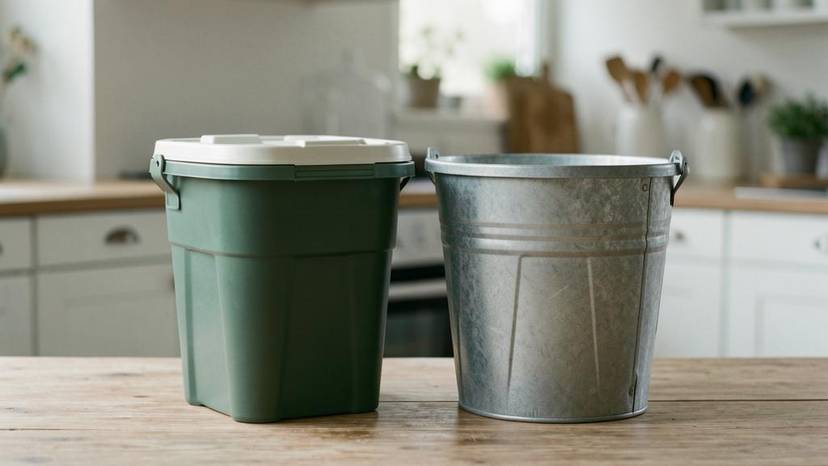
Composting is the backbone of zero waste. You can use a terracotta pot, a plastic bin, or a pit in your garden. The process involves layering green (nitrogen-rich) and brown (carbon-rich) materials, keeping moisture balanced, and turning the pile weekly. In Gujarat’s warm climate, compost can be ready in 6-8 weeks. Use the compost to enrich your garden or donate to local community gardens, reducing the need for chemical fertilizers.
Example: The 'Green Society' in Vadodara runs a community composting program where residents drop off kitchen scraps at a central pit. In 2024, they composted 2.5 tons of organic waste, preventing it from reaching the city’s incinerator. You can start with a simple bin from a local potter for ₹500 or build a DIY bin from a large plastic container.
Choosing the Right Composting Method for Your Home
Options include aerobic composting (turning the pile), vermicomposting (using earthworms), and bokashi (fermenting with bran). For apartments, bokashi is odorless and fits in a bucket. Vermicomposting produces nutrient-rich castings, ideal for potted plants. The GPCB encourages home composting under its 'Zero Waste at Source' campaign, offering guidance on its website.
Step 3: Shop Package-Free at Local Markets and Zero-Waste Stores
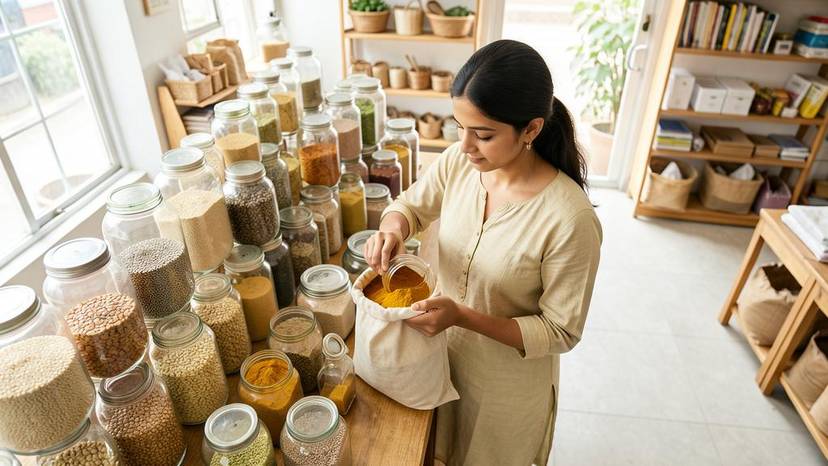
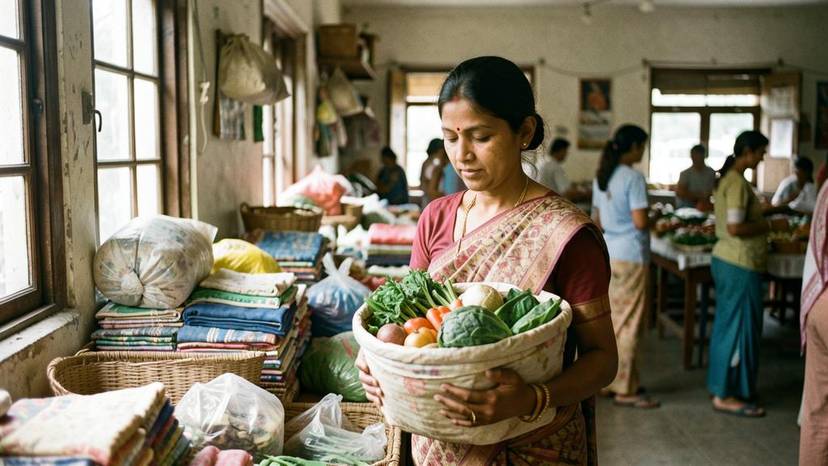
Replace plastic-packaged goods with loose items from local markets or zero-waste stores. In Ahmedabad, stores like 'Eco Corner' and 'Green Bazaar' offer grains, spices, and household cleaners in bulk. Carry your own cloth bags, glass jars, and containers. This reduces the demand for single-use plastic, which often ends up in incinerators. According to a 2024 survey by the Ahmedabad Municipal Corporation, package-free shopping can cut plastic waste by up to 70% per household.
Example: On a typical Saturday, visit the Manek Chowk market in Ahmedabad with your jars. Buy rice, lentils, and spices from bulk bins, and fresh vegetables without packaging. Many vendors will deduct the weight of your container. This practice not only reduces waste but supports local farmers and reduces food miles.
Step 4: Embrace Repair Culture Instead of Replacing Items
Repairing broken items—from clothes to electronics—keeps them out of incinerators and landfills. In Gujarat, repair cafes are emerging, where volunteers fix items for free. For example, 'Repair Café Ahmedabad' meets monthly at the Gujarat Science City, helping residents mend clothing, bicycles, and small appliances. By repairing, you save money and reduce the demand for new products, which require energy and raw materials.
Example: A resident of Surat brought a broken mixer to a repair café and learned to fix it with a ₹50 part. This avoided buying a new mixer, saving ₹2,000 and preventing 5 kg of e-waste. Learning basic repair skills, like sewing or soldering, can be done online or at workshops. The Gujarat government’s 'Skill Development Mission' offers free courses in repair trades.
Step 5: Switch to Reusable Alternatives for Daily Essentials
Replace disposables with reusables: cloth napkins instead of paper, steel bottles instead of plastic, and menstrual cups instead of pads. This reduces the volume of waste that would otherwise be incinerated. In Gujarat, many households still use single-use plastics for convenience, but small changes add up. For example, using a cloth bag for vegetables saves around 300 plastic bags per year per person (UNEP, 2023).
| Item | Disposable Usage | Reusable Alternative | Waste Saved |
|---|---|---|---|
| Water bottles | 365 plastic bottles | 1 steel bottle | 9 kg plastic |
| Shopping bags | 730 plastic bags | 10 cloth bags | 2 kg plastic |
| Coffee cups | 365 paper cups | 1 steel cup | 4 kg paper |
| Menstrual products | 240 pads | 1 menstrual cup | 5 kg mixed waste |
Step 6: Start a Community Initiative to Push for Better Waste Policy
Individual actions are powerful, but systemic change is crucial. Form or join a local group that advocates for waste segregation, composting infrastructure, and bans on incineration. In Gujarat, the 'Zero Waste Gujarat' collective has successfully lobbied the GPCB to enforce stricter rules on waste-to-energy plants, requiring them to meet emission standards. You can participate in public consultations and use the Right to Information (RTI) to access municipal waste data.
Example: In Rajkot, residents formed a committee that petitioned the municipality to set up a decentralized composting facility instead of an incinerator. They presented data on the environmental and health costs, leading to a pilot project in 2024 that now processes 10 tons of organic waste daily, creating compost for local farms.
Waste Reduction in Gujarat Households (kg/week)
Step 7: Track Your Progress and Celebrate Milestones
Maintain a weekly waste log to measure your reduction. Use a simple notebook or an app like 'My Little Plastic Footprint'. Set a goal, such as reducing waste by 50% in 30 days. Celebrate with a zero-waste meal or a repair café visit. Tracking helps you identify what works and what needs adjustment, keeping motivation high. According to behavioural studies, tracking habits increases success rates by 30% (Lally et al., 2010).
Frequently Asked Questions
Is zero waste living possible without an incinerator in Gujarat?
Yes, absolutely. By composting at home, shopping package-free, and repairing items, you can reduce your waste to near zero. Municipalities are required to provide separate collection for organic and recyclable waste under the Solid Waste Management Rules, 2016, and many cities like Ahmedabad have started door-to-door collection of segregated waste.
How much does it cost to start zero waste living in Gujarat?
Initial costs range from ₹500 for a compost bin to ₹1,500 for a complete zero-waste kit (cloth bags, steel bottle, tiffin). Over time, you save money by buying in bulk and avoiding disposable items. On average, a household can save ₹200-400 per month on packaging and single-use products (Ahmedabad Municipal Corporation, 2024).
What are the alternatives to incineration for non-recyclable waste?
For non-recyclable waste, options include waste-to-energy with strict emission controls (though controversial), and co-processing in cement kilns, which uses waste as fuel but also emits pollutants. The best approach is to refuse such materials at the source. For unavoidable items, look for take-back programs or specialized recycling. The GPCB encourages 'reject' waste to be minimized through producer responsibility schemes.
How can I compost in a small apartment in Gujarat?
Bokashi composting is ideal for apartments. It uses a bucket and a bran inoculant to ferment food waste, including cooked items, without odor. The fermented waste can be buried in a planter or given to local gardeners. The process takes about two weeks inside, and the resulting material is safe for soil. Many online stores in India sell bokashi kits for ₹1,200-2,000.
Are there any zero-waste shops in Gujarat?
Yes, several have opened in recent years. In Ahmedabad, 'Eco Corner' and 'Green Bazaar' offer bulk grains, spices, and personal care products. In Vadodara, 'Refill & Reuse' provides refills for detergents and oils. These stores are part of a growing network of package-free retailers, making it easier to shop sustainably.
Key Takeaways
30-Day Zero Waste Checklist
- ✓Week 1: Conduct a waste audit and identify organic waste.
- ✓Week 1: Purchase or build a compost bin and start collecting kitchen scraps.
- ✓Week 2: Visit a local zero-waste store and buy bulk staples with your own containers.
- ✓Week 2: Replace 10 single-use items with reusables.
- ✓Week 3: Attend a repair café or learn a basic repair skill online.
- ✓Week 3: Join or form a community group to push for better waste policy.
- ✓Week 4: Track your waste reduction and celebrate with a zero-waste meal.
Tools for Zero Waste Living
- Cotton bags and steel tiffin for package-free shopping.
- A compost bin or bokashi kit for organic waste.
- Glass jars for storing dry goods.
- A repair kit with basic tools like screwdrivers and sewing needles.
- A reusable water bottle and coffee cup.
| Phase | Actions | Timeframe | Cost |
|---|---|---|---|
| Audit | Track waste types and weights | Week 1 | ₹0 |
| Composting | Set up bin and start composting | Week 2 | ₹500-1,500 |
| Shopping | Switch to package-free purchases | Week 2-3 | ₹0-500 |
| Repair | Attend repair café, learn skills | Week 3 | ₹0-200 |
| Advocacy | Join community waste initiatives | Week 4 | ₹0 |
| Tracking | Measure reduction and adjust | Ongoing | ₹0 |
સંબંધિત વિષયો
સંબંધિત
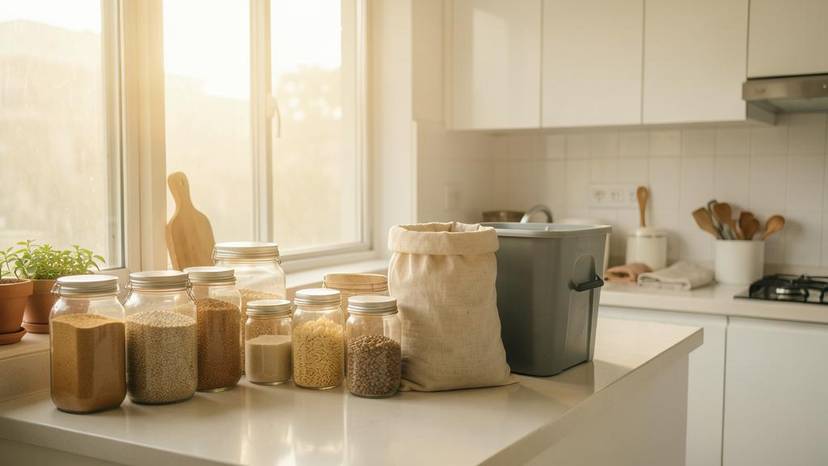
ગુજરાતમાં ઝીરો-વેસ્ટ કિચન: 30 દિવસમાં પેકેજ-ફ્રી અને કમ્પોસ્ટ-આધારિત રસોડું કેવી રીતે બનાવવું
ગુજરાતમાં ઝીરો-વેસ્ટ કિચન શરૂ કરવા માટે 30-દિવસની વ્યવહારુ માર્ગદર્શિકા: પેકેજ-ફ્રી શોપિંગ, કમ્પોસ્ટિંગ અને પ્રાણી-આધારિત કચરો ઘટાડવાની રીતો.
6 મિનિટ વાંચન
અમદાવાદનું ઝીરો-વેસ્ટ રિવોલ્યુશન: 'ગ્રીન કોર્નર' સ્ટોરની 3-વર્ષની સફરમાંથી શું શીખી શકાય?
પેકેજ-ફ્રી શોપિંગ, કમ્પોસ્ટિંગ અને રિપેર કલ્ચરનું મોડેલ — અમદાવાદના 'ગ્રીન કોર્નર' સ્ટોરે 3 વર્ષમાં કચરો કેવી રીતે 78% ઘટાડ્યો અને ઝીરો-વેસ્ટ જીવનશૈલીને કેવી રીતે વ્યવહારુ બનાવી.
6 મિનિટ વાંચન
ગુજરાતમાં ઝીરો વેસ્ટ શોપિંગ: પેકેજ-ફ્રી ખરીદી માટે સંપૂર્ણ FAQ માર્ગદર્શિકા
ઝીરો વેસ્ટ શોપિંગ શું છે, તે કેવી રીતે શરૂ કરવું, ક્યાંથી ખરીદી કરવી અને ગુજરાતમાં તેના પર્યાવરણીય લાભો વિશે વિગતવાર પ્રશ્નોત્તરી.
7 મિનિટ વાંચન