How to Cook Vegan Gujarati Thali in 30 Minutes on a Budget
Learn to prepare a wholesome, animal-free Gujarati thali in 30 minutes with affordable local ingredients, traditional spices, and zero-waste techniques.

Short answer: You can cook a complete vegan Gujarati thali—rotli, dal, shaak, rice, salad, and chutney—in just 30 minutes on a budget using locally available ingredients like tuvar dal, bajra, and seasonal vegetables. Focus on batch-friendly staples, pressure-cooker efficiency, and simple tempering to cut time without sacrificing authentic taste. This guide offers step-by-step methods, cost estimates in ₹, and zero-waste tips aligned with Gujarat's culinary traditions and FSSAI dietary guidelines.
Why Choose a Vegan Gujarati Thali for Quick Weeknight Meals?
A vegan Gujarati thali is not only culturally authentic but also nutritionally balanced and environmentally sustainable. Traditionally, Gujarati food is largely plant-based, using lentils, beans, grains, and vegetables. By excluding ghee and dairy, you reduce saturated fat and cholesterol while lowering your carbon footprint. According to the EAT-Lancet Commission (2019), plant-based diets can cut food-related greenhouse gas emissions by up to 80%. In Gujarat, where vegetarianism is common, veganism fits seamlessly into local food habits.
What Makes a Gujarati Thali Vegan?
A traditional thali includes rotli (flatbread), dal (lentil soup), shaak (vegetable curry), rice, salad, and accompaniments like pickles and chutney. To make it vegan, replace ghee with vegetable oil or peanut oil, use plant-based yogurt alternatives for raita, and ensure breads are made without butter. Most Gujarati dals are naturally vegan, as they use tuvar dal, turmeric, and spices, with a tadka of mustard seeds and curry leaves.
What Are the Essential Ingredients and Tools for a 30-Minute Vegan Thali?
To cook a vegan Gujarati thali in 30 minutes, you need a pressure cooker, a tawa (griddle), and basic utensils. Key ingredients include tuvar dal (split pigeon peas), whole wheat flour, rice, seasonal vegetables like bottle gourd or okra, and spices such as turmeric, cumin, and asafoetida (hing). These are readily available in any Gujarat grocery store or market at low cost. A pressure cooker cuts dal and rice cooking time significantly, while a tawa ensures quick rotli browning.
| Tool/Ingredient | Quantity | Cost (₹) |
|---|---|---|
| Tuvar dal | 200 g | 30 |
| Whole wheat flour | 500 g | 25 |
| Rice | 250 g | 20 |
| Seasonal vegetables | 300 g | 40 |
| Spices (turmeric, cumin, hing) | As needed | 15 |
| Pressure cooker | 1 unit | 1500 (one-time) |
| Tawa | 1 unit | 500 (one-time) |
How to Cook Tuvar Dal in a Pressure Cooker: Step-by-Step
Tuvar dal is the heart of a Gujarati thali. To cook it quickly, rinse 200g of dal, add 500ml water, a pinch of turmeric, and pressure cook for 3 whistles (about 10 minutes). After the pressure releases, temper with mustard seeds, cumin, asafoetida, and curry leaves in hot oil. This dal is protein-rich—100g of cooked tuvar dal provides 9g protein (USDA, 2024). Serve hot with rice or rotli.
Variations: Add Vegetables or Greens
For extra nutrition, add chopped spinach, bottle gourd, or tomatoes to the dal before pressure cooking. This increases fiber and vitamin content while keeping the dish vegan. In Gujarat, adding a little jaggery and lemon juice to dal balances sweet, sour, and spicy flavours—a hallmark of Gujarati cuisine.
How to Make Soft Vegan Rotli Without Ghee?
Rotli, or phulka, is a staple flatbread. To make it vegan, use whole wheat flour, water, and a teaspoon of oil instead of ghee. Knead the dough with warm water for softer rotlis, and cook on a hot tawa until puffed. In Gujarat, rotlis are often finished over an open flame to achieve charred spots, but a tawa works fine. For 30 minutes, prepare 4-6 rotlis simultaneously using two tawas if available.
What Are the Fastest Vegan Shaak Recipes for a Thali?
Shaak is the vegetable dish in a thali. For speed, choose vegetables that cook quickly, such as okra, cabbage, or bottle gourd. A classic Gujarati shaak involves sautéing mustard seeds, turmeric, and asafoetida in oil, then adding chopped vegetables and cooking until tender. For example, bhindi shaak takes 10 minutes. In 2025, Gujarat's vegetable markets offer seasonal produce at ₹30-50 per kg, making shaak affordable.
Zero-Waste Tip: Use Peels and Stems
Don't discard vegetable peels—they can be added to dal or shaak for extra fiber. Bottle gourd peels are edible and nutritious. Composting scraps is also common in Gujarati households; Ahmedabad's zero-waste initiatives, like the 'Swachh Bharat' missions, encourage this practice.
How to Assemble a Balanced Vegan Thali in 5 Minutes?
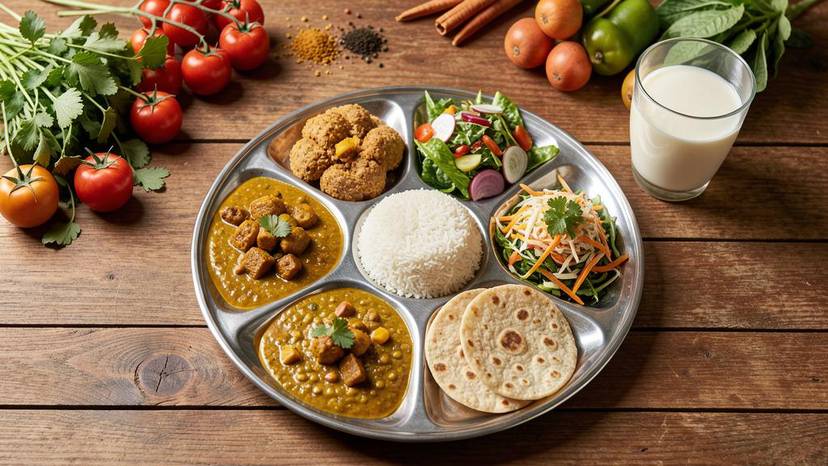
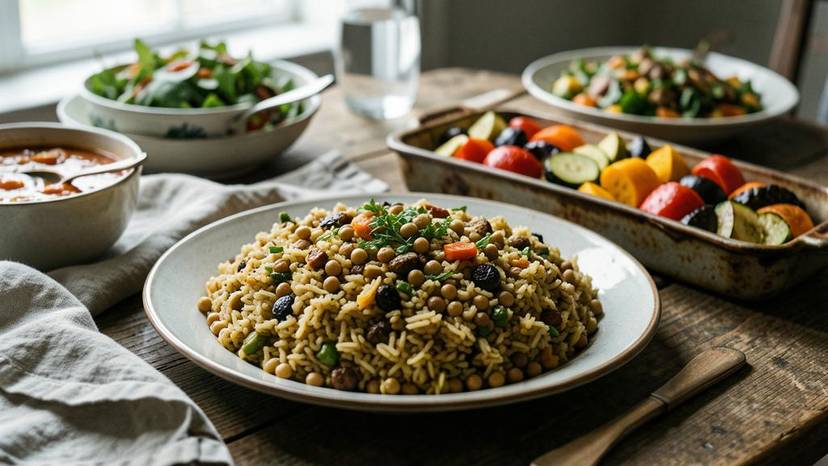
Once all components are cooked, assembly is quick. On a large steel plate, place rotli at the center, serve dal in a small bowl, add shaak on one side, rice on another, and finish with salad (cucumber, tomato, onion) and a spoonful of coriander chutney. This thali provides a balance of carbohydrates, protein, fiber, and healthy fats. According to ICMR's dietary guidelines (2020), a balanced thali should include grains, pulses, vegetables, and fats in proper proportions.
Checklist for a 30-Minute Vegan Thali
- ✓Soak tuvar dal for 15 minutes before cooking
- ✓Pressure cook dal and rice simultaneously in different tiers
- ✓Chop vegetables while dal cooks
- ✓Knead rotli dough with warm water
- ✓Cook shaak in a separate pan while rotli cooks
- ✓Prepare salad and chutney in advance
- ✓Assemble thali with all components
What Are the Cost and Time Savings of a Homemade Vegan Thali?
A homemade vegan thali for one person costs approximately ₹50-70, while a restaurant thali costs ₹150-250 in Gujarat. Cooking at home saves money and reduces food waste. Time-wise, a 30-minute cooking session yields 2-3 servings, perfect for dinner and next-day lunch. Batch cooking on weekends can further cut weekday prep time.
Time Breakdown for 30-Minute Vegan Thali (minutes)
“A vegan thali is not just a meal; it's a celebration of Gujarat's plant-based heritage, meeting modern health and environmental needs.”
How to Customize Your Vegan Thali for Nutritional Needs?
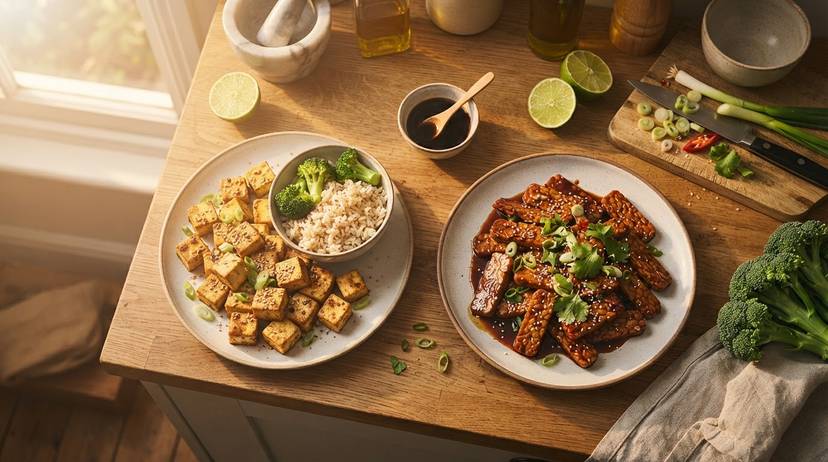
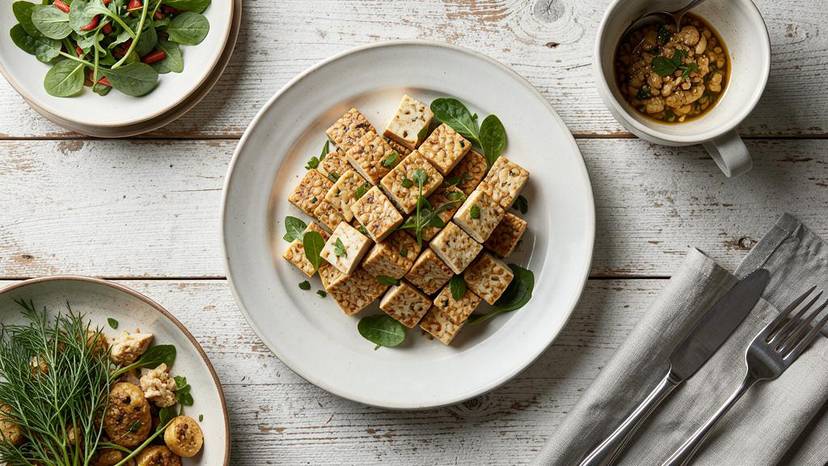
For higher protein, add a side of sprouted beans or tofu curry. For lower carbs, reduce rice and increase shaak. Use millet flour (bajra) instead of wheat for gluten-free rotli. According to FSSAI's Eat Right India initiative (2023), diverse plant-based diets help prevent micronutrient deficiencies. Customization allows flexibility for families with different health goals.
Seasonal and Regional Variations
In winter, use fenugreek leaves (methi) and bajra rotli; in summer, opt for cucumber and mint chutney. Gujarat's regional diversity—from Kutch to Surat—offers unique twists like undhiyu, but for a 30-minute thali, stick to simple recipes. Local festivals like Uttarayan (kite festival) feature vegan snacks, showing the cultural fit of plant-based eating.
What Are the Environmental and Animal Welfare Benefits of a Vegan Thali?
Choosing a vegan thali reduces demand for dairy, which is linked to animal suffering and environmental damage. In Gujarat, dairy farming often involves practices like forced insemination and separation of calves. According to PETA India (2024), dairy cows are repeatedly impregnated and their calves taken away. By opting for plant-based meals, you help reduce these harms. Additionally, the carbon footprint of a vegan meal is 50% lower than a dairy-based meal (FAO, 2023).
Frequently Asked Questions
Is a vegan Gujarati thali suitable for beginners?
Yes, a vegan Gujarati thali is beginner-friendly because it uses basic cooking techniques like pressure cooking and sautéing. The ingredients are common in Indian kitchens, and the recipes are forgiving. Start with simple dal and shaak, then gradually try more complex preparations.
Can I make a vegan thali without a pressure cooker?
Absolutely! You can cook dal and rice in regular pots, but it will take longer—about 40-50 minutes. To stay within 30 minutes, use a pressure cooker or pre-cook beans and grains. Alternatively, use quick-cooking varieties like quinoa or oats.
What are the best substitutes for ghee in Gujarati cooking?
For tempering, use peanut oil or sunflower oil; for rotli, a teaspoon of any vegetable oil works. Cashew cream or coconut milk can replace ghee in richer dishes. These substitutes maintain flavor and texture while keeping the dish fully vegan.
How do I ensure my vegan thali is protein-complete?
Combine cereals and legumes to get all essential amino acids. Rotli (wheat) and tuvar dal together provide a complete protein profile. Add peanuts or sesame seeds for extra protein. According to ICMR, a balanced vegetarian diet meets all protein needs when varied.
Can I meal-prep a vegan thali for the week?
Yes, cook dal and shaak in large batches and store in airtight containers for up to 4 days in the fridge. Rotli can be made fresh daily or frozen for up to a month. Reheat dal with a splash of water to retain moisture.
Where can I find vegan-friendly ingredients in Gujarat?
Local markets like Ahmedabad's Manek Chowk and Surat's textile market area have fresh produce and spices. Supermarkets like Reliance Fresh and Big Bazaar stock plant-based milks and tofu. FSSAI's 'Eat Right' labels help identify healthy vegan products.
Key Takeaways
A vegan Gujarati thali is quick, affordable, and nutritious. Use a pressure cooker to save time, choose seasonal vegetables for cost-effectiveness, and embrace zero-waste techniques. This meal supports animal welfare and environmental sustainability, aligning with Gujarat's vegetarian ethos.
Key Takeaways
- A 30-minute vegan thali costs ₹50-70 per serving
- Use pressure cooker and tawa for speed
- Incorporate seasonal vegetables for freshness and budget
- Vegan thali reduces carbon footprint by 50% compared to dairy-based meals
- Supports animal welfare by avoiding dairy exploitation
સંબંધિત
બોકાશી કમ્પોસ્ટિંગ શું છે? ગુજરાતમાં 30 દિવસની સંપૂર્ણ માર્ગદર્શિકા
બોકાશી કમ્પોસ્ટિંગ એ અનોખી અજૈવિક પદ્ધતિ છે જે ગુજરાતના રસોડાના કચરાને 30 દિવસમાં ખાતરમાં ફેરવે છે, જમીન સુધારે છે અને પ્રાણીઓ માટે દયાળુ વિકલ્પ છે.
4 મિનિટ વાંચન
ગુજરાતમાં વેગન મહિનાની સાચી કિંમત: ખર્ચ તોડીને જુઓ
એક મહિના માટે વેગન આહાર અપનાવવાનો ખર્ચ, બચત અને પર્યાવરણીય અસર — ગુજરાતી બજારના ભાવ સાથે સંપૂર્ણ ગણતરી.
6 મિનિટ વાંચન
How to Get Enough Iron on a Plant-Based Diet in Gujarat: 30-Day Gujarati Meal Plan
ગુજરાતી વેગન આહારમાં આયર્નની ઉણપ કેવી રીતે ટાળવી — 30-દિવસનું ભોજન આયોજન, શોષણ વધારવાની ટિપ્સ અને ICMR માર્ગદર્શન સાથે.
7 મિનિટ વાંચન