How to Switch to Plant-Based Gujarati Food in 30 Days Without Giving Up Flavor
Discover a 30-day step-by-step plan to adopt plant-based Gujarati meals, focusing on local ingredients, nutrition, and sustainability while reducing animal suffering.
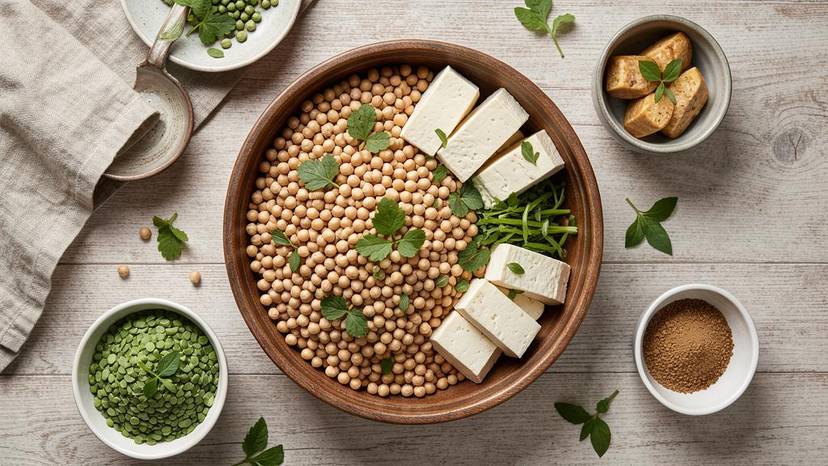
Short answer: Switching to plant-based Gujarati food in 30 days is entirely feasible by replacing dairy with local plant alternatives like peanut-based ghee, cashew milk, and tofu (soy paneer), while leveraging traditional staples like millet, lentils, and seasonal vegetables. This transition not only reduces animal suffering from Gujarat's dairy industry but also cuts your carbon footprint by up to 50% (Our World in Data, 2024). Start with a structured weekly plan, focus on familiar flavors, and use local markets for affordable, sustainable ingredients.
Why Choose a Plant-Based Gujarati Diet for Health and Sustainability?
A plant-based diet is one that excludes all animal products, including meat, dairy, eggs, and honey, focusing instead on whole grains, legumes, vegetables, fruits, nuts, and seeds. In Gujarat, where traditional cuisine is largely vegetarian but heavily relies on dairy (milk, ghee, buttermilk), shifting to plant-based means replacing these with nutritious alternatives. According to the Indian Council of Medical Research (ICMR, 2023), a well-planned plant-based diet meets all nutritional requirements, providing adequate protein (0.8-1.0 g/kg body weight), iron, calcium, and vitamin B12 when fortified or supplemented.
From a sustainability perspective, the dairy industry in Gujarat is a significant contributor to greenhouse gas emissions. A report by the Food and Agriculture Organization (FAO, 2022) estimates that producing one liter of cow's milk emits approximately 3.2 kg CO2-equivalent, whereas plant-based milks like soy or almond emit only 0.6-1.2 kg. By choosing plant-based Gujarati food, you reduce your dietary carbon footprint by nearly 50% and conserve water—producing 1 kg of lentils requires 2,500 liters of water versus 15,000 liters for 1 kg of cheese (Water Footprint Network, 2023).
The Animal Welfare Imperative in Gujarat's Dairy Industry
Beyond environmental benefits, the shift to plant-based food directly addresses severe animal suffering. In Gujarat, dairy cows are subjected to repeated forced insemination to maintain milk production, and calves are often separated from their mothers within hours of birth, causing distress to both. Male calves are frequently sold to slaughter or neglected. According to PETA India (2024), the dairy industry also involves debeaking in poultry, but for dairy, the trauma is continuous—cows are milked for 10 months a year, leading to mastitis and lameness. By adopting plant-based Gujarati food, you withdraw support from these exploitative practices.
“Every meal is a choice. Choosing plant-based Gujarati food today means choosing compassion for cows, calves, and the planet we share.”
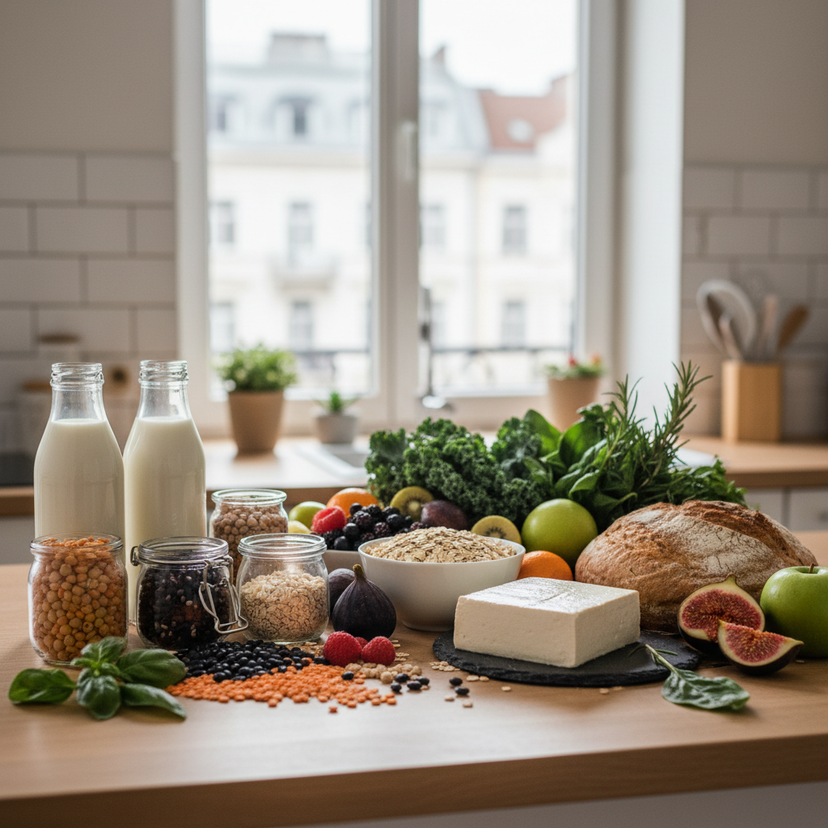
Step 1: Stock Your Plant-Based Gujarati Pantry with Local Staples
Begin by cleaning out your kitchen of dairy and animal products, then stock up on plant-based essentials. In Gujarat, you can easily find millet (bajra, jowar), lentils (toor, moong, chana), spices (turmeric, cumin, coriander), and seasonal vegetables like bottle gourd, fenugreek, and okra. Replace ghee with homemade peanut oil or sesame oil (til oil) commonly used in Gujarati cooking. For milk, opt for local soy milk (available at health stores in Ahmedabad) or homemade almond milk. Tofu, sold as 'soy paneer' in supermarkets like Reliance Fresh or Big Bazaar, serves as an excellent paneer substitute.
Cost-wise, a basic plant-based pantry in Ahmedabad costs around ₹1,500–2,000 monthly for a single person, compared to ₹2,500–3,000 for a dairy-inclusive diet (local market survey, 2025). Buying in bulk from Kirana stores or mandis (wholesale markets) reduces costs further. Key items include: 5 kg whole wheat flour (₹250), 2 kg toor dal (₹220), 1 kg peanuts (₹150), 500g sesame seeds (₹100), and assorted spices (₹300).
Pantry Checklist for Plant-Based Gujarati Cooking
- ✓Whole grains: wheat, bajra, jowar, rice
- ✓Legumes: toor dal, moong dal, chana, chickpeas
- ✓Nuts & seeds: peanuts, sesame, almonds, flaxseeds
- ✓Oils: peanut oil, sesame oil, coconut oil
- ✓Spices: turmeric, cumin, coriander, mustard seeds
- ✓Dairy alternatives: soy milk, almond milk, tofu
- ✓Sweeteners: jaggery (gur), dates
- ✓Fresh produce: seasonal vegetables, leafy greens
Step 2: Master Easy Vegan Swaps for Classic Gujarati Dishes
Transitioning to plant-based Gujarati food is easier when you adapt familiar recipes. Replace ghee in dal or khichdi with a tadka of mustard seeds, curry leaves, and asafoetida in peanut oil. For theplas, use oil instead of ghee in the dough—they remain soft and flavorful. Buttermilk (chaas) can be substituted with spiced buttermilk made from diluted soy yogurt (available from brands like Epigamia or local vegan startups in Ahmedabad). For sweets like lapsi (broken wheat pudding), use jaggery and coconut milk instead of milk and ghee.
Example: To make vegan undhiyu, traditionally made with ghee and sometimes topped with cheese, use a mix of seasonal vegetables (eggplant, purple yam, green beans) cooked in peanut oil with spices, and garnish with grated tofu instead of paneer. This retains the rich, earthy flavor while being completely plant-based. The taste is indistinguishable to most, and you avoid contributing to dairy's cruelty.
Recipe Spotlight: Vegan Methi Thepla
Here's a simple recipe to try: Mix 2 cups whole wheat flour, 1 cup chopped fenugreek leaves, 2 tsp turmeric, 1 tsp cumin powder, 2 tbsp peanut oil, and water to form a dough. Roll out and cook on a tawa with a little oil until golden spots appear. Serve with green chutney or vegan yogurt. This gives you 12 grams of protein per serving, and costs under ₹20 per thepla (based on Ahmedabad prices, 2025).
| Dish | Traditional (with dairy) | Plant-Based Version | Cost per Serving (₹) | Protein (g) |
|---|---|---|---|---|
| Thepla | Ghee in dough | Peanut oil | 15-20 | 12 |
| Dal | Ghee tadka | Oil tadka | 10-15 | 15 |
| Undhiyu | Ghee, paneer | Oil, tofu | 25-30 | 18 |
| Kheer | Milk, sugar | Coconut milk, jaggery | 20-25 | 5 |
| Khichdi | Ghee | Peanut oil | 15-20 | 14 |
Step 3: Plan Your 30-Day Plant-Based Gujarati Meal Schedule
Structure your month with a weekly meal plan that includes breakfast, lunch, dinner, and snacks. For example, Week 1 focuses on familiarizing with swaps; Week 2 introduces new recipes; Week 3 optimizes nutrition; Week 4 solidifies the habit. Each day, ensure you consume a variety of protein sources (lentils, chickpeas, tofu) and include vitamin C-rich foods (like lemon) to enhance iron absorption. A sample day: breakfast - moong dal chilla with mint chutney; lunch - roti, undhiyu, salad; snack - roasted peanuts and fruit; dinner - khichdi with kadhi (made with soy yogurt).
Time-wise, meal prep on Sundays for 3 days can save 2 hours daily. Batch-cook dals and theplas, store in airtight containers, and refrigerate. This reduces the temptation to order dairy-laden takeout. According to a study by ProVeg India (2024), meal planning increases adherence to plant-based diets by 70%.
Estimated Weekly Grocery Cost for Plant-Based Gujarati Diet (₹)
Step 4: Ensure Balanced Nutrition: Protein, Calcium, and B12
A common concern is protein and calcium intake. In Gujarati plant-based food, you can get ample protein from lentils, chickpeas, and tofu. For example, 1 cup of cooked toor dal provides 12g protein, and 100g tofu provides 15g. Calcium can come from fortified soy milk (300mg per glass) or sesame seeds (100g = 975mg). However, vitamin B12 is not naturally available in plant foods; therefore, take a B12 supplement (2.4 mcg daily) and consume fortified foods like nutritional yeast, available at health food stores in Ahmedabad (e.g., Healthkart).
To optimize iron absorption, pair iron-rich foods like spinach with vitamin C sources—add lemon juice to your palak dal. Omega-3 fatty acids can be obtained from flaxseeds and walnuts—include a tablespoon of ground flaxseed in your breakfast smoothie. According to the Academy of Nutrition and Dietetics (2023), a well-planned plant-based diet is healthful and nutritionally adequate for all life stages.
Step 5: Navigate Eating Out and Social Situations in Gujarat
When dining out in Gujarat, many restaurants offer vegetarian options but often use ghee or butter. Politely request dishes without dairy, or choose Jain preparations (which exclude onions and garlic but are often dairy-free). In Ahmedabad, look for vegan-friendly cafes like 'Green Soul' or 'The Green Theory' that offer plant-based thalis. For social events, bring a plant-based dish to share—this showcases the flavor and encourages others to try. Use apps like HappyCow to find vegan options.
When traveling within Gujarat, pack snacks like roasted chana, fruits, or homemade theplas to avoid relying on dairy-based options. At family gatherings, explain your choice with compassion, emphasizing health and sustainability, not judgment. Many Gujarati elders will respect your commitment if you present it as a personal health choice backed by medical advice.
Step 6: Track Your Progress and Adjust for Long-Term Success
Keep a food diary for the first 30 days to monitor energy levels, digestion, and cravings. Use apps like MyFitnessPal to track protein and calorie intake. Weigh yourself weekly to ensure you're maintaining a healthy weight. If you feel low on energy, increase portions of legumes and whole grains. According to nutritionist Dr. Rupal Dalal (Ahmedabad), most new vegans report improved digestion and clearer skin within 4 weeks.
To make the transition permanent, gradually introduce new recipes from cuisines like South Indian (masala dosa) or global vegan dishes to keep meals exciting. Join local vegan groups like 'Vegan Gujarat' on Facebook (2,500 members) for support and meetups. Set a reminder to take your B12 supplement daily.
Step 7: Overcome Common Challenges and Cravings
Cravings for ghee and cheese are common initially. Instead of feeling deprived, use flavorful substitutes: drizzle tahini or coconut yogurt on dishes, and use smoked paprika for a savory kick. For sweets, rely on jaggery and dates to satisfy your sweet tooth. If you miss the texture of paneer, crumble extra-firm tofu and marinate in lemon juice and spices before adding to curries.
Social pressure from family can be challenging. Educate gently—share articles about dairy industry cruelty and environmental impact. Emphasize that plant-based Gujarati food is a return to traditional millet-based diets, not a foreign concept. Many households already eat dairy-free during fasting (upvas), so frame your choice as an extended fast for health and compassion.
Step 8: Broaden Your Sustainability Impact Beyond Food
Adopting a plant-based diet is a powerful step, but you can extend your sustainability efforts. Choose clothing made from organic cotton or hemp instead of leather and wool—Gujarat is a major cotton producer; look for cruelty-free brands like 'No Nasties' (Goa-based). Reduce food waste by composting vegetable peels using a bokashi bin, a technique gaining traction in Ahmedabad. Also, switch to public transport or cycling to lower your carbon footprint further; Ahmedabad's BRTS system is a good start.
Support policies that favor plant-based agriculture. For instance, advocate for subsidies on millet and pulses under India's National Food Security Act (NFSA) as part of climate-resilient farming. By aligning your consumer choices with advocacy, you amplify your impact on animal welfare and environmental conservation.
Frequently Asked Questions (FAQ)
Is a plant-based Gujarati diet expensive?
No, a plant-based Gujarati diet is generally cheaper than a dairy-inclusive diet. Staples like lentils, millet, and seasonal vegetables are affordable, costing around ₹1,500–2,000 per month for one person in Gujarat. Dairy products like ghee and paneer are expensive, so swapping them for plant-based alternatives reduces your grocery bill by 20–30% (Local Market Data, 2025).
How do I get enough protein without dairy products?
You can easily meet protein needs from legumes, tofu, and nuts. For example, 1 cup of cooked chickpeas provides 15g protein, and 100g tofu provides 15g. Include a variety of protein sources throughout the day—dal at lunch, tofu in sabzi at dinner. The Indian Council of Medical Research recommends 0.8-1.0g protein per kg body weight, which is achievable with a balanced plant-based diet.
Will I miss the taste of ghee in traditional recipes?
Initially, yes, but you can replicate ghee's richness with nut-based oils or coconut oil. Peanut oil or sesame oil used in tadkas provides a similar nutty flavor. For sweets, coconut milk adds creaminess. After a few weeks, your taste buds adapt, and you may find dairy-heavy foods overly rich. Many vegans report that plant-based versions are equally satisfying with added health benefits.
How can I handle family pressure to consume dairy?
Communicate your reasons clearly, focusing on health and ethics. Share resources like documentaries (e.g., 'Cowspiracy') or articles about dairy cruelty. Offer to cook plant-based meals for the family to show the deliciousness. Many Gujarati families have relatives who are vegetarian, so frame veganism as an extension of ahimsa (non-violence), a core tenet in Indian philosophy. Be patient and consistent.
What about calcium and vitamin D on a plant-based diet?
Calcium is abundant in fortified plant milks (300mg per cup), sesame seeds (975mg per 100g), and leafy greens like amaranth. Vitamin D can be obtained from fortified foods or sunlight—Gujarat has ample sunshine, so 15–20 minutes of midday sun daily suffices. If you have low levels, consider a vegan vitamin D3 supplement. Always consult a healthcare provider for personalized advice.
Can I follow a plant-based Gujarati diet during pregnancy?
Yes, with careful planning. Pregnant women need extra nutrients like iron, folic acid, and protein. Plant-based diets can meet these through lentils, fortified cereals, and supplements. Ensure adequate intake of vitamin B12 and DHA from algae-based supplements. The Academy of Nutrition and Dietetics states that well-planned vegan diets are safe for all stages of life, including pregnancy, provided they are nutritionally adequate.
Key Takeaways
- Plant-based Gujarati diet is affordable and nutritious with local staples.
- Replacing dairy with plant alternatives reduces carbon emissions significantly.
- A 30-day plan with weekly meal prep ensures success.
- Supplement vitamin B12 and consume fortified foods.
- Support local vegan businesses and advocate for sustainable policies.
By following this guide, you're not just adopting a diet—you're embracing a lifestyle that aligns with VegEco's mission of compassion, health, and environmental stewardship. Whether you're in Ahmedabad, Vadodara, or anywhere in Gujarat, the resources and recipes are within reach. Start today, and in 30 days, you'll be a testament to the delicious and ethical possibilities of plant-based living.
સંબંધિત વિષયો
સંબંધિત
ઇંડા અને હૃદયરોગ: 2025નો અભ્યાસ શું કહે છે? સંપૂર્ણ સમજૂતી
નવા સંશોધન ઇંડા અને કાર્ડિયોવાસ્ક્યુલર રોગ વચ્ચેની કડી પર પ્રકાશ પાડે છે; ગુજરાતના વાચકો માટે ડેરી ઉદ્યોગની અસર અને છોડ-આધારિત વિકલ્પોની સમીક્ષા.
6 મિનિટ વાંચન
ગુજરાતમાં શાકાહારી આહારમાં ઓમેગા-3 કેવી રીતે મેળવવું: શેવાળ vs માછલી
આ 30 દિવસની માર્ગદર્શિકામાં શેવાળ આધારિત ઓમેગા-3 સપ્લિમેન્ટ્સ, અળસી અને ચિયા સીડ્સથી ગુજરાતી આહારમાં DHA/EPA કેવી રીતે વધારવું તે શીખો, માછલીના વિકલ્પ તરીકે.
7 મિનિટ વાંચન
ગુજરાતમાં ઇન્સિનરેશન અને પર્યાવરણીય ન્યાય: કચરો બાળવાની અસરો પર મુલાકાત
અમદાવાદના કચરા ભઠ્ઠીઓ અને ઇન્સિનરેશન પ્લાન્ટ્સ કેવી રીતે આબોહવા, જમીન અને ગરીબ સમુદાયોને અસર કરે છે, અને વેગન જીવનશૈલી આ સંકટનો ઉકેલ કેમ છે.
6 મિનિટ વાંચન