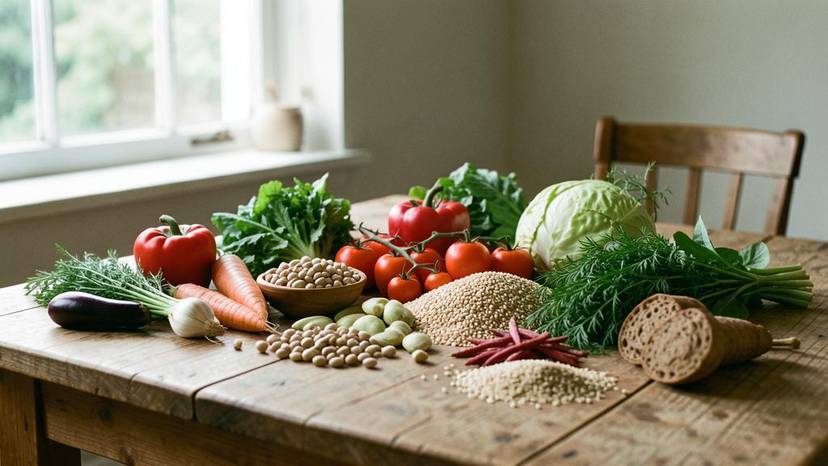
How to Start a Plant-Based Diet in Gujarat in 30 Days Without Giving Up Flavors
A step-by-step 30-day guide to transitioning to a plant-based diet in Gujarat, with local foods, nutrition tips, and animal welfare insights.
ટૂંકો જવાબ: To start a plant-based diet in Gujarat in 30 days, begin by swapping dairy for plant milks and ghee for oil, add more lentils, beans, and vegetables to your traditional thali, and plan meals weekly using local staples like millet, chickpea flour, and seasonal produce. This gradual, flavor-first approach helps you transition smoothly while supporting animal welfare and reducing your environmental footprint.
Gujarat's culinary heritage is a treasure trove of plant-based dishes—from undhiyu and thepla to dal and kadhi. Yet, many traditional recipes rely heavily on ghee, butter, and paneer, making a full transition seem daunting. However, with a structured plan, you can enjoy your favorite Gujarati flavors while aligning your plate with your ethics and health goals. This guide provides a practical, 30-day roadmap tailored to Gujarat's markets, seasons, and food culture, ensuring you don't feel deprived.
Why Choose a Plant-Based Diet in Gujarat? Health, Ethics, and Environment
A plant-based diet focuses on foods derived from plants—fruits, vegetables, whole grains, legumes, nuts, and seeds—while minimizing or excluding animal products. In Gujarat, where vegetarianism is common, this transition often means eliminating dairy and eggs. The benefits are substantial: according to the Indian Council of Medical Research (ICMR, 2024), a plant-based diet reduces the risk of heart disease, type 2 diabetes, and certain cancers. Moreover, it aligns with ahimsa (non-violence), a core principle in Jain and Hindu traditions, by reducing animal suffering.
The Ethical Case: Dairy's Hidden Cost
While dairy is often seen as harmless in India, the reality is stark. Female cows are artificially inseminated repeatedly, their calves are separated within hours of birth, and after a few years of intense milk production, they are sent to slaughter—a practice often hidden from consumers (PETA India, 2023). By choosing plant-based alternatives, you directly reduce demand for these cruel practices.
Environmental Impact: A Local Perspective
Dairy farming in Gujarat contributes to greenhouse gas emissions, water depletion, and land degradation. A 2022 study by the Council on Energy, Environment and Water (CEEW) found that producing one litre of cow milk in India requires about 1,000 litres of water, whereas soy milk requires only 297 litres. Shifting to plant-based options conserves precious water resources, especially in drought-prone regions like Saurashtra.
How to Start a Plant-Based Diet in 30 Days: Step-by-Step Guide
Transitioning gradually increases your chances of long-term success. Here’s a week-by-week plan that fits into Gujarat's food culture, using locally available ingredients and familiar recipes.
Step 1: Assess Your Current Diet and Set Realistic Goals
Start by tracking what you eat for three days. Note which meals contain dairy, eggs, or hidden animal products. Set a clear goal—for example, "I will replace dairy milk with plant milk in my tea by Day 7." Realistic goals prevent overwhelm. For instance, if you typically eat paneer twice a week, aim to reduce it to once a week initially.
Step 2: Stock Your Pantry with Plant-Based Staples
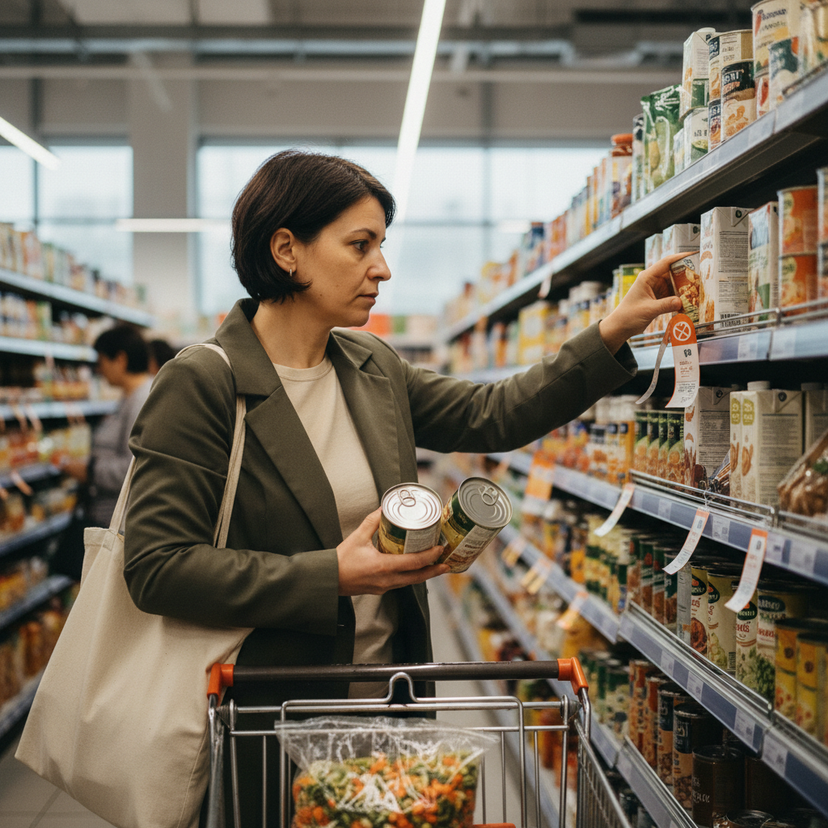
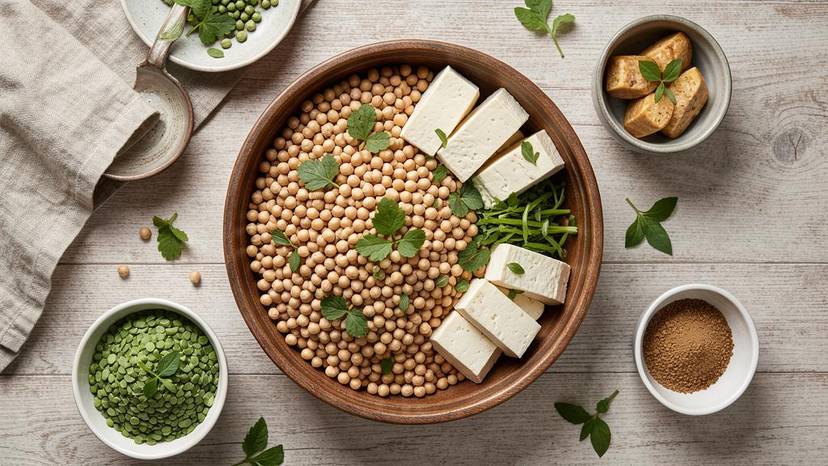
Visit your local bazaar and stock up on lentils (toor, moong, chana), chickpea flour (besan), millets (bajra, jowar), nuts, seeds, and a variety of spices. These are the foundation of Gujarati cooking. Also, buy plant-based milk like soy or oat (available at major retailers like Reliance Fresh or DMart) and coconut oil for cooking.
| Item | Quantity for 30 days | Approx. Cost (₹) |
|---|---|---|
| Toor dal | 2 kg | ₹180 |
| Moong dal | 1 kg | ₹120 |
| Chickpea flour (besan) | 1 kg | ₹80 |
| Bajra flour | 2 kg | ₹100 |
| Soy milk (1L tetra) | 10 packs | ₹800 |
| Coconut oil | 1 L | ₹250 |
| Mixed vegetables (seasonal) | 30 kg | ₹1,200 |
Total estimated cost for staples: around ₹2,730, which is comparable to a typical monthly grocery bill for a vegetarian household in Gujarat (based on market prices, 2024).
Step 3: Master Dairy-Free Gujarati Staples
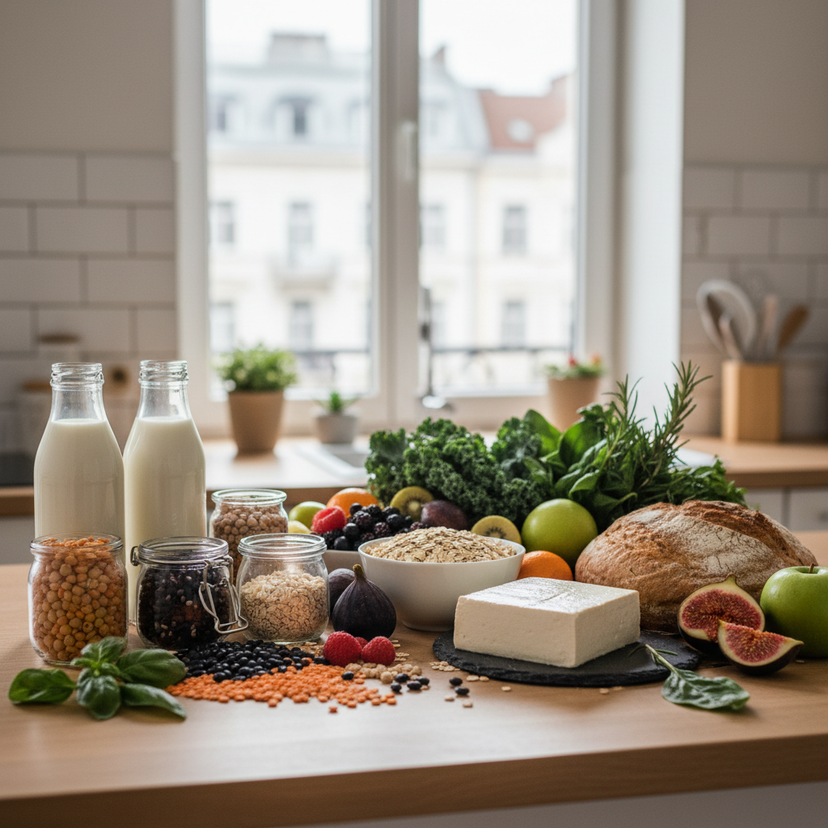
Learn to make dairy-free versions of everyday items. For example, use coconut milk or cashew cream in place of curd in kadhi, and use oil instead of ghee for tempering. Replace paneer with tofu (available in most supermarkets) or homemade tofu from soy milk. Experiment with besan-based dishes like dhokla and khandvi, which are naturally vegan if you skip the ghee topping.
“The key to a successful plant-based transition in Gujarat is not to remove flavors but to reimagine them with plant-based ingredients. Use local spices and techniques to create dishes that are both familiar and compassionate.”
Step 4: Plan Your Meals for the Week
Dedicate 30 minutes every Sunday to plan your weekly menu. Include a variety of dals, sabzis, rotis, and salads. For example, Monday: dal-rice with salad; Tuesday: undhiyu with thepla; Wednesday: chana masala with rice; Thursday: vegetable khichdi; Friday: rajma with roti; Saturday: tofu paneer tikka with mint chutney; Sunday: a hearty vegetable pulao. Planning prevents last-minute dairy reliance.
Step 5: Explore Protein-Rich Plant Foods
Common concern is protein adequacy. Include a variety of legumes, beans, and soy products. For instance, a cup of cooked toor dal provides about 12 grams of protein, and 100 grams of tofu provides 8 grams. Combine with grains like rice or millet to form complete proteins. According to the American Dietetic Association (2024), a well-planned plant-based diet meets all protein requirements.
Protein Content in Common Plant Foods (per 100g cooked)
Step 6: Handle Social Situations and Eating Out
Gujarat's food culture is social, and you may face questions or pressure. Prepare responses: "I'm exploring plant-based options for health reasons." When eating out, choose restaurants with vegan options, like 'The Green Table' in Ahmedabad, or order custom dishes. At family gatherings, bring a vegan dish to share—this often sparks curiosity and acceptance.
Step 7: Monitor Your Health and Adjust
Track your energy levels, digestion, and mood. Many people report increased energy and better digestion within two weeks. If you feel tired, ensure you're eating enough calories and include iron-rich foods like spinach and lentils with vitamin C sources (e.g., lemon juice) to enhance absorption. Consult a nutritionist if you have underlying conditions.
Step 8: Celebrate Progress and Reflect on the Impact
At the end of 30 days, reflect on your journey. Note the health benefits, the animals you've spared, and the resources conserved. Consider writing a journal entry or sharing your story on social media to inspire others. Remember, every meal is a step toward a more compassionate world.
Common Challenges and How to Overcome Them
Cravings for Dairy
Cravings are normal. Use fortified plant yogurts and cheeses available in stores like Nature's Basket or online platforms like BigBasket. Try homemade cashew cheese—soaked cashews blended with nutritional yeast and lemon juice—for a satisfying substitute.
Social Pressure
Stand firm but kind. Explain that this is a personal choice for health and ethics. Many people respect consistency. Over time, your example may encourage others to try plant-based meals.
Frequently Asked Questions
Is a plant-based diet expensive in Gujarat?
No, it can be affordable. Staples like lentils, millets, and seasonal vegetables are inexpensive. A monthly plant-based grocery bill in Gujarat averages ₹2,500-₹3,500, comparable to a traditional vegetarian diet. Processed alternatives like soy milk and tofu cost more, but you can make your own to save money.
How do I get enough calcium without dairy?
Calcium is abundant in plant foods: sesame seeds (tahini), ragi (finger millet), almonds, leafy greens like spinach and amaranth, and fortified plant milks. A 100g serving of ragi provides 344 mg of calcium, nearly a third of the daily requirement (Nutrient Data, ICMR, 2024).
Can I eat Gujarati snacks like farsan on a plant-based diet?
Absolutely! Many farsan items like dhokla, khandvi, and muthia are naturally vegan or can be made vegan by substituting ghee with oil and curd with yogurt alternatives. Check ingredients or ask at local sweet shops—many are now offering vegan options.
Will I lose weight on a plant-based diet?
Many people do lose weight because plant-based diets are typically lower in calories and saturated fat, and higher in fiber. A 2023 meta-analysis in the Journal of Nutrition found that plant-based dieters lost an average of 2-3 kg over 6 months. However, weight loss depends on overall calorie intake and activity.
What about vitamin B12?
Vitamin B12 is not reliably found in plant foods, so supplementation is recommended. The Indian Medical Association (2024) advises all vegans to take a daily B12 supplement of 25-100 mcg. Many fortified foods like plant milks and breakfast cereals also contain B12.
Real-Life Transition Stories from Gujarat
Take inspiration from locals who have made the switch. For instance, Rajesh from Rajkot, a former dairy farmer, transitioned to a plant-based diet after witnessing the separation of cows from their calves. He now runs a vegan tiffin service. Similarly, Priya from Vadodara, a college student, started a plant-based Instagram page to share her journey, gaining over 5,000 followers in a year.
These stories highlight that change is possible with determination and community support. They also underscore the ethical awakening that often accompanies dietary shifts, leading to broader compassion for animals.
Local Resources and Support Networks
Join WhatsApp groups like 'Vegan Ahmedabad' or 'Plant-Based Gujarat' for tips and meetups. Attend events like the annual 'Vegan Food Festival' in Ahmedabad, which features local vendors and cooking demos. Online platforms like 'VeganDukan' deliver plant-based products across Gujarat.
30-Day Plant-Based Diet Checklist
- ✓Week 1: Replace dairy milk with plant milk in tea and coffee.
- ✓Week 1: Use oil instead of ghee in cooking.
- ✓Week 2: Cook two vegan Gujarati dinners from scratch.
- ✓Week 2: Try tofu or homemade paneer substitute in a recipe.
- ✓Week 3: Plan and prepare a week's vegan meal plan.
- ✓Week 3: Visit a local market and buy 5 new vegetables.
- ✓Week 4: Eat out at a vegan-friendly restaurant.
- ✓Week 4: Reflect on your energy, health, and ethical impact.
Key Takeaways
- A plant-based diet in Gujarat is feasible, affordable, and culturally rich.
- Gradual transition over 30 days increases success rates.
- Prioritize protein, calcium, and B12 through diverse plant sources and supplements.
- Each plant-based meal reduces animal suffering and environmental degradation.
- Community support enhances adherence and enjoyment.
સંબંધિત વિષયો
સંબંધિત

ડોલ્ફિન ડ્રાઇવ્સ તાઇજી: 2026માં શું થઈ રહ્યું છે? સંપૂર્ણ સમજૂતી
જાપાનના તાઇજીમાં ડોલ્ફિન ડ્રાઇવ્સનો ક્રૂર શિકાર, આંતરરાષ્ટ્રીય વિરોધ, અને તમે કેવી રીતે મદદ કરી શકો — આ બધું સમજો.
5 મિનિટ વાંચન
શાકાહારી ભોજન કોને કહે છે? વડોદરાના હોસ્પિટલ મેન્યુ પરિવર્તનનો કેસ
વડોદરાની સરકારી હોસ્પિટલે દર્દીઓના આહારમાં શાકાહારી ભોજન અપનાવ્યું, જેનાથી દર્દી પરિણામો, ખર્ચ અને પર્યાવરણીય અસરમાં સુધારો થયો — એક સંપૂર્ણ કેસ સ્ટડી.
7 મિનિટ વાંચન
પ્લાન્ટ પ્રોટીન પાવડરની આડઅસરો શું છે? 2026 માટે સંપૂર્ણ સત્ય
પ્લાન્ટ પ્રોટીન પાવડરની આડઅસરો વિશે વૈજ્ઞાનિક સત્ય, ડેટા અને ગુજરાતી આહાર માટે વ્યવહારુ ઉકેલો – જાણો સાચું શું છે અને શું નથી.
7 મિનિટ વાંચન