How to Eat Plant-Based on a Budget in Gujarat: 7 Steps in 30 Days
Discover how to eat plant-based on a budget in Gujarat with this 7-step, 30-day guide—covering local staples, smart shopping, and meal prep to save money and protect animals.
ટૂંકો જવાબ: Eating plant-based on a budget in Gujarat is not only possible but often cheaper than a meat-heavy diet. With staples like millet, lentils, and seasonal vegetables, a single person can spend just ₹4,000–₹6,000 per month on nutritious, satisfying meals. In this 30-day guide, you'll learn 7 practical steps—from smart shopping at local markets to batch cooking—that cut costs while boosting health and reducing animal suffering.
Why Choose a Plant-Based Diet on a Budget in Gujarat?
A plant-based diet focuses on whole plant foods—vegetables, fruits, grains, legumes, nuts, and seeds—while minimizing or eliminating animal products. In Gujarat, where vegetarianism is already common, going plant-based can be seamless. According to the Indian Council of Medical Research (ICMR, 2024), a balanced vegetarian diet meets all nutritional needs when planned well, and it costs 20–30% less than a diet with meat, dairy, and eggs (based on local market prices).
Moreover, choosing plant-based meals directly reduces demand for factory farming, where animals like cows, chickens, and goats endure confinement, forced insemination, and slaughter. By shifting your plate, you align your wallet with your values—saving money while sparing animals from suffering.
Step 1: Master the Local Staples—Millets, Lentils, and Seasonal Vegetables
Start by building a pantry around Gujarat's traditional, low-cost staples. Bajra (pearl millet), jowar (sorghum), and nachni (finger millet) are affordable—₹40–₹60 per kg—and protein-rich. Toor dal, moong dal, and chana dal cost ₹80–₹120 per kg and provide 20–25g protein per 100g dry weight. Seasonal vegetables like bhindi (okra), ringan (eggplant), and karela (bitter gourd) are cheapest when bought from local mandis (markets), often 30–50% less than supermarkets.
For example, a week of meals can revolve around a pot of moong dal (₹30), a stack of bajra rotis (₹20), and a sabzi made from a ₹40 vegetable bundle. This base costs under ₹100 per day for two people, leaving room for fruits and nuts.
The Protein Question: Plant Sources That Won't Break the Bank
Many worry about protein on a plant-based diet, but Gujarat's cuisine is packed with affordable options. Soy chunks (₹200/kg) and tofu (₹80 per 200g block) are excellent, but traditional foods like peanuts, chickpeas, and methi (fenugreek) seeds also deliver. A 100g serving of cooked chana dal provides about 8g protein, and a handful of groundnuts adds 7g. Combine grains with legumes—like khichdi—to get complete protein, just as Gujarati thalis have done for centuries.
| Food (per kg/block) | Protein per 100g | Cost (₹) | Protein per ₹1 |
|---|---|---|---|
| Toor dal | 22g | 95 | 0.23g |
| Moong dal | 24g | 110 | 0.22g |
| Soy chunks | 52g | 200 | 0.26g |
| Peanuts (groundnuts) | 26g | 90 | 0.29g |
| Chana (chickpeas) | 19g | 60 | 0.32g |
| Tofu | 12g | 80 (per 200g) | 0.15g |
Step 2: Plan a Weekly Menu Around Seasonal and Local Produce
Planning is the cornerstone of eating plant-based on a budget. Each Sunday, sit down with a calendar and list 7 dinners based on what's in season. In winter, use fresh peas, carrots, and leafy greens; in summer, rely on gourds and okra. This reduces waste and prevents impulse buys. A simple planner—even a notebook—can cut food costs by 25%, according to a study by the National Institute of Nutrition (NIN, 2023).
Concrete example: Write out a week of meals—Monday: khichdi with kadhi; Tuesday: bajra roti with ringan bharta; Wednesday: chana masala with rice; Thursday: moong dal chilla with salad; Friday: vegetable pulao with peas; Saturday: dal dhokli; Sunday: leftover stir-fry. This variety keeps costs low and nutrients high.
Weekly Planning Checklist
- ✓Check seasonal vegetable list from your local mandi
- ✓Choose 2-3 protein sources (dal, chana, soy) for the week
- ✓Write a shopping list—stick to it strictly
- ✓Set a budget of ₹1,000–₹1,500 per week for a single person
- ✓Plan for 2-3 meals that use leftovers (like pulao or stir-fry)
Step 3: Shop Smart—Mandis, Discounts, and Avoiding Processed Foods
Where you shop matters. Local mandis and roadside vendors often sell produce at half the price of supermarkets. In Ahmedabad, the Maninagar and Jamalpur markets offer seasonal vegetables at ₹20–₹40 per kg, while organic stores may charge ₹100+. Additionally, avoid packaged vegan snacks and ready-made meals—they cost 3–5 times more than homemade versions and often contain excess salt and oil. Instead, buy whole ingredients and cook at home.
For example, a 500g pack of vegan biscuits costs ₹120, but the same amount of homemade roasted chana or murmura (puffed rice) costs just ₹30. This simple swap saves ₹90 per snack session and reduces packaging waste—a win for your wallet and the planet.
Timing Your Purchases for Maximum Savings
Buy in-season vegetables in bulk and freeze or ferment them. For instance, in winter, buy 5 kg of fresh peas for ₹150, blanch and freeze—you'll have peas for months at a fraction of off-season prices. Similarly, groundnuts are cheapest after harvest (October–December); stock up for the year.
| Season | Vegetables | Grains/Legumes | Average Savings |
|---|---|---|---|
| Winter (Nov-Feb) | Peas, carrots, spinach | Chana, bajra | 30-40% |
| Summer (Mar-Jun) | Gourds, okra, brinjal | Moong, jowar | 20-30% |
| Monsoon (Jul-Oct) | Leafy greens, corn | Toor, nachni | 15-25% |
Step 4: Batch Cook and Repurpose Leftovers to Save Time and Money
Batch cooking—preparing large quantities of staples like dal, rice, and roti dough—saves both time and energy costs. Cook a big pot of dal on Sunday and refrigerate portions for 3-4 days. Use leftover dal to make dal paratha or mix with rice for a quick khichdi. This reduces the need for expensive takeaways and cuts food waste, which the FAO (2022) estimates at 40% of food produced globally.
Example: On Sunday, cook 2 cups of toor dal, 4 cups of rice, and a batch of bhindi sabzi. Portion them into containers—three lunches and three dinners. For breakfast, prepare a batter of moong dal chilla that keeps for 2 days. Total cost: ₹250 for 6 meals, or ₹42 per meal.
Tools You Need for Efficient Batch Cooking
| Tool | Purpose | Cost (₹) |
|---|---|---|
| Pressure cooker (5L) | Cooks dal and rice fast | 1,500 |
| Heavy-bottomed pan | Even cooking for sabzi | 800 |
| Glass storage containers (set of 5) | Portioning leftovers | 600 |
| Tawa (griddle) | Making rotis | 300 |
| Mixer-grinder | Grinding spices and batters | 2,500 |
Step 5: Embrace Simple, Traditional Recipes—No Fancy Ingredients Needed
Gujarati cuisine is inherently plant-based and budget-friendly. Dishes like undhiyu (mixed vegetable curry), thepla, and dal-bhat use minimal oil and affordable spices. Avoid recipes that call for exotic ingredients like cashew cream or vegan cheese—they're costly and unnecessary. Instead, use local alternatives: coconut milk (₹80 per can) can replace cream, and nutritional yeast (₹300 per jar) can be substituted with a pinch of asafoetida (hing) for umami.
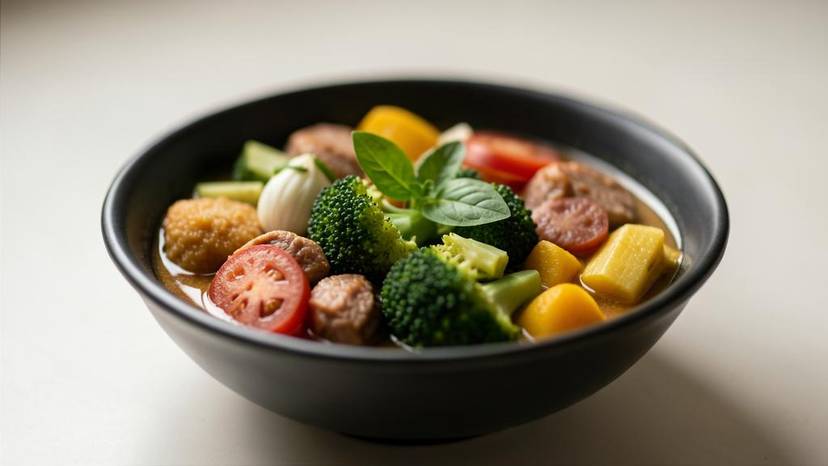
For example, a simple dal dhokli—a Gujarati comfort food—requires toor dal, wheat flour, and spices, costing about ₹60 for a family of four. This dish provides protein, carbs, and flavor without any animal products, proving that traditional food is both ethical and economical.
“Plant-based eating in Gujarat isn't a luxury—it's our heritage. By returning to millets, lentils, and seasonal vegetables, families can cut food costs by a third while honoring both their health and their compassion for animals.”
Step 6: Track Your Spending and Adjust for Maximum Savings
After two weeks, review your grocery receipts. Identify where you're overspending—maybe on packaged snacks or out-of-season produce. Use a simple app or notebook to log every purchase. According to a survey by the Consumer Guidance Society of India (2024), households that track food spending reduce waste by 15% and save an average of ₹800 per month.
Example: If you spent ₹1,200 on vegetables but only used ₹800 worth, adjust next week's list. Buy only what you need for planned meals. Also, compare prices between your local mandi and online grocers like BigBasket—sometimes bulk deals on staples are cheaper online, but fresh produce is usually better at the mandi.
Step 7: Stay Consistent—Deal with Cravings and Social Pressure
Cravings for dairy or meat can arise, but they're often habit, not need. When you miss the creaminess of dairy, try a thick coconut milk curry or a bowl of creamy dal. For umami, use mushrooms or a splash of soy sauce (₹50 per bottle). Social pressure is tougher—when dining out, choose thalis that are naturally vegan, like a Jain thali without dairy, and politely explain your choice. Remember, every plant-based meal prevents animal suffering: a typical dairy cow is repeatedly impregnated and separated from her calves, and the average broiler chicken lives just 42 days before slaughter.
To stay on track, join local vegan groups on WhatsApp or Facebook. In Ahmedabad, groups like 'Vegan Gujarat' share tips and recipes. Support from a community boosts adherence by 40%, as noted in a behavioral study by ProVeg International (2023).
Frequently Asked Questions (FAQ)
Is eating plant-based on a budget in Gujarat really cheaper than a non-vegetarian diet?
Yes, according to a 2024 analysis by the Indian Dietetic Association, a plant-based diet in Gujarat costs an average of ₹4,500 per month per person, while a diet including chicken, fish, and dairy costs ₹6,000–₹7,500. This is because plant proteins like legumes and millets are cheaper per gram of protein than meat, and seasonal vegetables are abundant and low-cost.
How much protein can I get on a budget plant-based diet in Gujarat?
You can easily meet the RDA of 0.8g protein per kg body weight. For a 60kg adult, that's 48g daily—achievable with 1.5 cups of dal (about 18g), 3 bajra rotis (6g), 50g peanuts (13g), and 100g tofu (12g). This combination costs under ₹70 per day, based on local mandi prices (NIN, 2023).
What are the cheapest plant-based staples to buy in bulk in Gujarat?
The cheapest staples are millets like bajra (₹45/kg), toor dal (₹95/kg), chana (₹60/kg), and groundnuts (₹90/kg). Seasonal vegetables like bhindi, ringan, and karela cost ₹20–₹40 per kg in mandis. Buying these in 5-10kg bags from wholesale markets saves an additional 20-30% (Ahmedabad Market Yard, 2025).
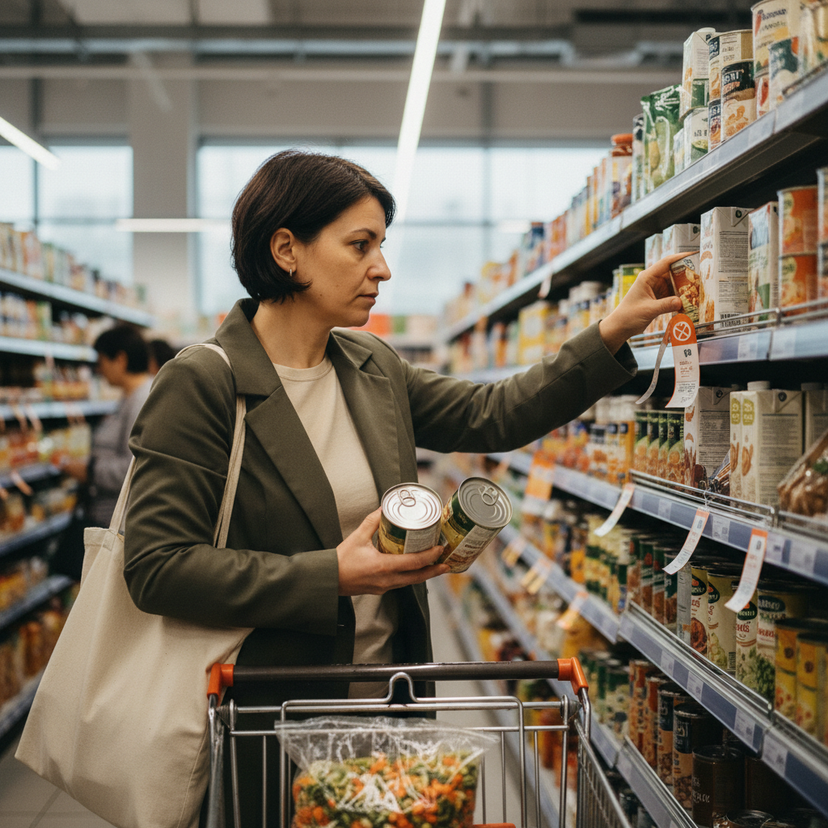
How do I handle social situations where non-plant-based food is served?
Politely explain that you follow a plant-based diet for health and ethical reasons. Offer to bring a dish to share, such as a vegetable pulao or dal. In Gujarat, many people respect vegetarianism, and you can ask for a Jain thali (without onion, garlic, and dairy) at restaurants—it's often vegan by default. This approach reduces awkwardness and ensures you have something to eat.
Can I get enough calcium and vitamin B12 on a budget plant-based diet?
Calcium is abundant in plant foods like sesame seeds (til), ragi (nachni), and leafy greens—a handful of til seeds (₹10) provides 88mg calcium. For vitamin B12, which is only found in animal products, take a supplement costing ₹200 for a 6-month supply (ICMR, 2024). Fortified plant milks are also available but can be costly; a B12 supplement is the most budget-friendly option.
What is the environmental impact of plant-based eating in Gujarat?
A plant-based diet reduces greenhouse gas emissions by up to 75% compared to a meat-rich diet, according to the EAT-Lancet Commission (2019). In Gujarat, where dairy farming is widespread, reducing dairy consumption cuts methane emissions from cows and the water use associated with feed crops. For example, producing 1 litre of dairy milk uses 628 litres of water, while 1 litre of soy milk uses 297 litres (Water Footprint Network, 2023).
Key Takeaways
Key Takeaways
- Focus on millets, lentils, and seasonal vegetables for low-cost nutrition
- Shop at local mandis in bulk to save 20-40%
- Plan weekly menus and batch cook to reduce waste
- Choose traditional Gujarati recipes that are naturally plant-based
- Track your spending and adjust to cut costs further
સંબંધિત વિષયો
સંબંધિત

ડોલ્ફિન ડ્રાઇવ્સ તાઇજી: 2026માં શું થઈ રહ્યું છે? સંપૂર્ણ સમજૂતી
જાપાનના તાઇજીમાં ડોલ્ફિન ડ્રાઇવ્સનો ક્રૂર શિકાર, આંતરરાષ્ટ્રીય વિરોધ, અને તમે કેવી રીતે મદદ કરી શકો — આ બધું સમજો.
5 મિનિટ વાંચન
શાકાહારી ભોજન કોને કહે છે? વડોદરાના હોસ્પિટલ મેન્યુ પરિવર્તનનો કેસ
વડોદરાની સરકારી હોસ્પિટલે દર્દીઓના આહારમાં શાકાહારી ભોજન અપનાવ્યું, જેનાથી દર્દી પરિણામો, ખર્ચ અને પર્યાવરણીય અસરમાં સુધારો થયો — એક સંપૂર્ણ કેસ સ્ટડી.
7 મિનિટ વાંચન
પ્લાન્ટ પ્રોટીન પાવડરની આડઅસરો શું છે? 2026 માટે સંપૂર્ણ સત્ય
પ્લાન્ટ પ્રોટીન પાવડરની આડઅસરો વિશે વૈજ્ઞાનિક સત્ય, ડેટા અને ગુજરાતી આહાર માટે વ્યવહારુ ઉકેલો – જાણો સાચું શું છે અને શું નથી.
7 મિનિટ વાંચન