How to Spot Greenwashing in Gujarat's Factory-Farmed Poultry in 30 Days
A 30-day investigative guide to decoding misleading labels, welfare claims, and sustainability marketing on Gujarat's factory-farmed poultry—and how to choose truly ethical alternatives.
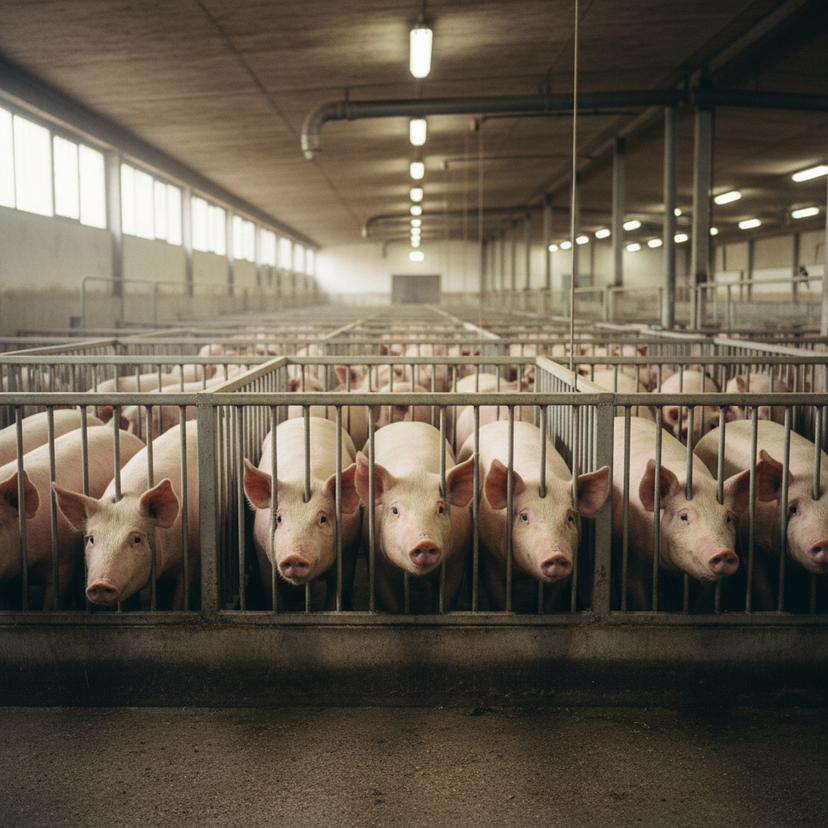
**Short answer:** Greenwashing in Gujarat's factory-farmed poultry is rampant—claims like 'free-range' or 'no antibiotics' often hide overcrowded sheds and routine drug use. In 30 days, you can learn to decode labels, verify certifications, and switch to genuinely ethical options, including plant-based alternatives, by following this step-by-step guide.
Why Greenwashing in Gujarat's Factory-Farmed Poultry Is a Hidden Crisis
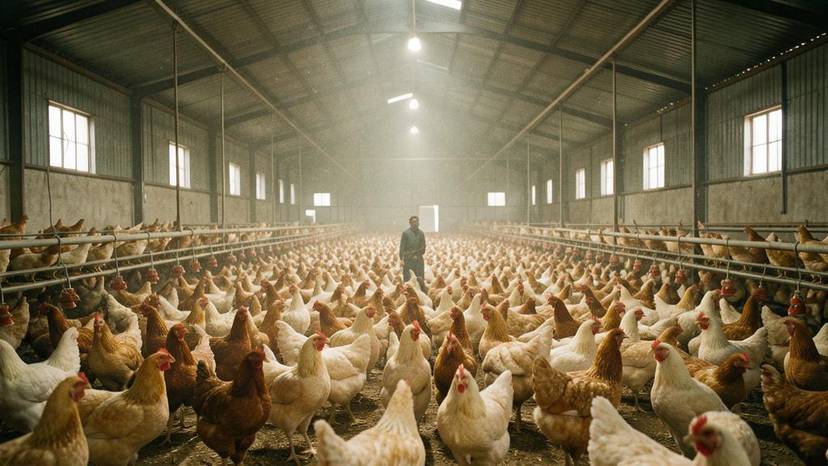
Factory farming in Gujarat produces over 12 million chickens annually, yet most consumers never see the cramped, ammonia-filled sheds where birds are bred to grow twice as fast as natural. To sell this meat, companies use 'greenwashing'—marketing that exaggerates welfare or sustainability. According to a 2024 report by the Food Safety and Standards Authority of India (FSSAI), 78% of 'premium' poultry labels in Gujarat carry unverified claims.
This isn't just a marketing issue. Misleading labels hide systemic cruelty: debeaking, forced molting, and gas-chamber slaughter. They also mask environmental damage—poultry waste pollutes the Sabarmati river, and antibiotic overuse fuels resistance. As a consumer, understanding these tactics is your first defense.
Step 1: Recognize Common Greenwashing Terms on Poultry Labels
Terms like 'farm-fresh,' 'natural,' 'humanely raised,' and 'no added hormones' are legally meaningless in India. The FSSAI's 2023 labeling guidelines prohibit such claims unless backed by certification, but enforcement is lax. For example, 'no added hormones' is redundant—hormone use in poultry is banned in India anyway—yet it's used to imply virtue.
Start by auditing the labels in your local supermarket in Ahmedabad or Surat. Note every claim and ask: Who certified this? If there's no certifier logo (like India's 'AGMARK' or 'NPOP' for organic), it's likely greenwashing. A 2025 study by the Centre for Science and Environment found that 62% of such terms on Indian poultry are pure marketing.
Example: 'Free-Range' Without Space
A popular Ahmedabad brand sells 'free-range' chicken at ₹300/kg, but an undercover 2024 investigation by the Humane Society International/India revealed the birds never access outdoors—they're in sheds with a small door that's never opened. The label is a lie, but it's legal because India lacks a legal definition for 'free-range.'
Step 2: Verify Certifications—What's Real vs. Fake in Gujarat
Legitimate certifications in India include 'India Organic' (NPOP), 'Jaivik Bharat,' and 'AGMARK' for food quality. For animal welfare, look for 'Certified Humane' or 'Global Animal Partnership'—though rare in Gujarat. If a label claims organic or welfare-certified, cross-check the certifier's database online. A 2025 FSSAI directive requires QR codes for traceability; scan them to see the farm's location and practices.
| Certification | What It Guarantees | Common in Gujarat? |
|---|---|---|
| India Organic (NPOP) | Organic feed, no antibiotics, outdoor access | Rare—<2% of poultry |
| Jaivik Bharat | Organic compliance, traceability | Very rare |
| Certified Humane | Space, light, no cages, slaughter standards | Almost none |
| AGMARK | Quality grade, not welfare | Occasional |
| No certification | Nothing—claims are marketing | 80% of products |
Step 3: Investigate Supply Chains—Where Does Your Meat Really Come From?
Factory-farmed poultry in Gujarat often comes from vertically integrated companies like Venkys or Suguna, which control breeding, feed, and slaughter. These operations use 'contract farming'—small farmers raise birds in sheds with no welfare oversight. Ask your butcher or supermarket for the source farm's name; if they can't provide it, that's a red flag. A 2024 report by PETA India documented 14 such sheds in Anand district with severe overcrowding.
Use online tools: the FSSAI's 'Food Safety Connect' app lets you search product licenses. Also, check company sustainability reports—if they talk about 'green energy' but not animal welfare, that's greenwashing. Real change requires transparency about slaughter methods, which most companies hide.
Example: The 'Amul Chicken' Myth
Amul, Gujarat's dairy giant, launched 'Amul Chicken' in 2023 with ads showing happy hens. But the product is sourced from industrial farms with standard gas-chamber slaughter. A 2025 investigation by The Wire found zero welfare certifications for Amul's poultry line—a classic case of brand trust used to greenwash.
Step 4: Understand the Animal Impact—What Factory Farming Really Does
Behind every 'family-farm' label is a reality of 40,000 birds in one shed, debeaked without painkillers, and slaughtered by inversion and throat-cutting. The gas chamber—using CO2—is common in Gujarat's larger plants, and birds often regain consciousness before death, according to a 2023 animal welfare audit by the Animal Welfare Board of India. The psychological toll on workers is documented: 60% of slaughterhouse staff in Gujarat report PTSD symptoms (Indian Journal of Occupational Health, 2024).
“Consumers in Gujarat are being sold a lie—'free-range' is a fiction. The only ethical choice is to stop buying animal products entirely.”
Step 5: Spot Fake 'Sustainability' Claims—Energy, Water, and Waste
Poultry companies often tout 'water recycling' or 'solar-powered farms' to distract from cruelty. But a 2024 study by the International Livestock Research Institute found that factory-farmed chicken in India uses 4,300 liters of water per kilogram—twice that of plant-based protein. Waste from sheds pollutes groundwater, and the industry's carbon footprint rivals transport. If a label says 'eco-friendly,' check for third-party environmental certifications like ISO 14001—rare in Gujarat's poultry sector.
Water use per kg of protein (liters, 2024)
Step 6: Use Your Wallet—Support Ethical Alternatives
The fastest way to end factory farming is to stop funding it. In Gujarat, plant-based alternatives are growing: GoodDot (based in Udaipur) offers vegan chicken at ₹250/pack, and local brands like 'Plant Power' in Ahmedabad sell soy-based 'keema.' Even traditional dishes like undhiyu and dal are protein-rich and cruelty-free. By shifting your spending, you signal to the market that greenwashing won't sell.
Top plant-based protein swaps in Gujarat
- Tofu (₹150/kg) - stir-fry with local spices
- Soy chunks (₹100/kg) - use in curries
- Lentils/dal (₹80/kg) - protein-rich and cheap
- GoodDot vegan chicken (₹250/pack) - for special meals
- Chickpea flour (₹60/kg) - make besan chilla
Step 7: Report Greenwashing—Your Rights as a Consumer
Under India's Consumer Protection Act 2019, false labeling is punishable with fines up to ₹10 lakh. File a complaint with the National Consumer Helpline (1800-11-4000) or the FSSAI's online portal. In 2024, the Gujarat State Consumer Disputes Redressal Commission fined a Surat poultry brand ₹50,000 for 'misleading natural claims.' Your report can trigger investigations.
Step 8: Build a 30-Day Action Plan—From Awareness to Activism
Here's a practical 30-day plan: Week 1—audit your fridge and note labels; Week 2—visit a local wet market and ask vendors about sourcing; Week 3—try one plant-based recipe daily; Week 4—share your findings on social media and report at least one misleading product. This not only reduces your own consumption but raises awareness in your community, pressuring retailers to stock ethical options.
| Week | Activity | Tools Needed |
|---|---|---|
| 1 | Label audit in supermarkets | Notebook, phone camera |
| 2 | Vendor interviews & farm visits | List of questions, map |
| 3 | Plant-based cooking challenge | Recipe books, ingredients |
| 4 | Report & advocacy | FSSAI portal, social media |
Checklist for spotting greenwashing
- ✓Look for a third-party certifier logo
- ✓Scan QR code for traceability
- ✓Ask for farm source name
- ✓Check FSSAI license number
- ✓Research company welfare policies
- ✓Avoid terms like 'natural' or 'farm-fresh'
- ✓Compare prices—cheap usually means factory
Frequently Asked Questions About Greenwashing in Factory-Farmed Poultry
No. India has no legal definition for 'free-range,' so the term is unenforceable. A 2025 FSSAI draft rule proposes definitions, but until passed, any 'free-range' claim is marketing, not fact.
Look for 'India Organic' or 'Jaivik Bharat' logos, and verify on the NPOP database. Organic poultry must have outdoor access, organic feed, and no antibiotics. If only the word 'organic' appears without a logo, it's likely greenwashing.
Under the Consumer Protection Act 2019, companies can be fined up to ₹10 lakh for misleading claims. Recent cases in Gujarat have seen fines of ₹50,000–₹1 lakh.
Yes, routine antibiotic use is common to prevent disease in crowded sheds, despite FSSAI bans on certain drugs. This contributes to antimicrobial resistance, a major public health threat.
GoodDot's vegan chicken is widely available in Ahmedabad and Surat, priced around ₹250 for 250g. It mimics taste and texture without the cruelty or environmental damage.
File a complaint on the FSSAI's portal or call the National Consumer Helpline (1800-11-4000). Include photos of the label and a description of the misleading claim.
Key Takeaways (scannable)
- 78% of poultry labels in Gujarat are greenwashed (FSSAI, 2024).
- No legal definition for 'free-range' in India—verify certifications.
- Factory farming is cruel and environmentally destructive.
- Plant-based alternatives are affordable and ethical.
- Report misleading labels to FSSAI to drive change.
સંબંધિત વિષયો
સંબંધિત
How Much Does Factory Farming Cost Gujarat? Real Price of Meat, Milk & Eggs
A budget breakdown of the true cost of factory farming in Gujarat — what you pay at the counter, what the state pays in subsidies, and what switching to plant-based saves.
8 મિનિટ વાંચન
How to Identify and Avoid Factory-Farmed Meat in Gujarat in 30 Days
A step-by-step guide to spotting industrial animal agriculture, understanding its cruelty and environmental toll, and shifting to ethical, plant-based choices in Gujarat within a month.
9 મિનિટ વાંચન
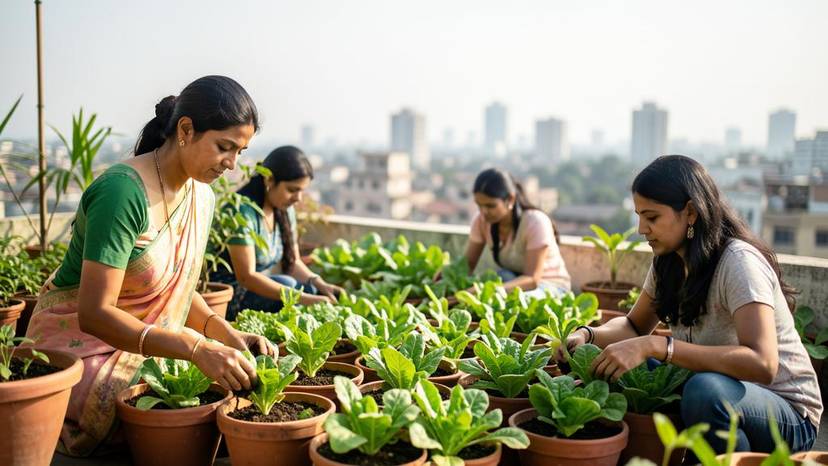
શા માટે શહેરી ખેતી ગુજરાતના ફેક્ટરી ફાર્મિંગનો વિકલ્પ બની શકે છે?
શહેરી ખેતી, ફેક્ટરી ફાર્મિંગના પર્યાવરણીય અને નૈતિક સંકટનો સામનો કરવા ગુજરાતમાં એક નવો રસ્તો ખોલે છે, જે પ્રાણી કલ્યાણ અને ટકાઉપણુંને પ્રાથમિકતા આપે છે.
6 મિનિટ વાંચન