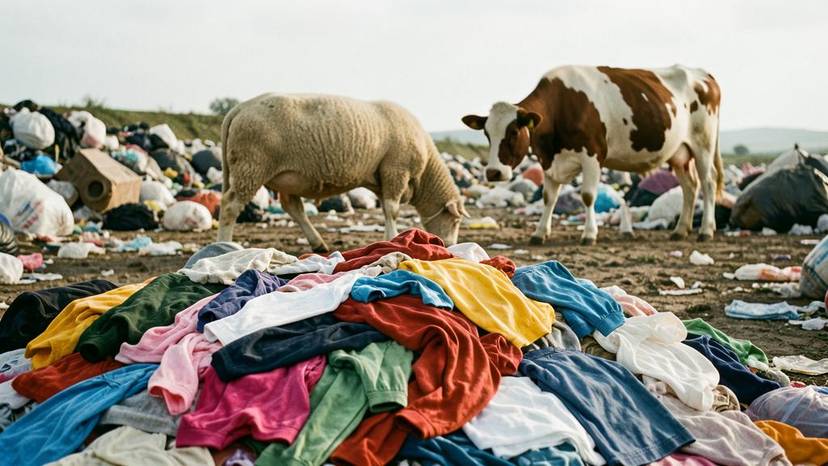
How to Build a Cruelty-Free Wardrobe in Gujarat: 30 Days of Ethical Fashion
Discover a step-by-step 30-day plan to create a cruelty-free wardrobe in Gujarat, covering ethical fashion brands, second-hand shopping, and low-impact materials.

**Short answer:** Building a cruelty-free wardrobe in Gujarat within 30 days is possible by focusing on three pillars: decluttering your existing clothes, swapping out new purchases for second-hand or ethical brands, and choosing plant-based, low-impact materials like organic cotton, hemp, and Tencel. Start with a clothing audit, set a budget of ₹2,000–₹5,000, and use local resources like Ahmedabad's charity shops and online resale platforms to make the transition affordable and impactful.
The global fashion industry is responsible for about 10% of annual carbon emissions, according to the United Nations Environment Programme (UNEP, 2024). But the hidden cost is far worse: millions of animals—cows, sheep, goats, and even silkworms—suffer and die for leather, wool, silk, and fur. In India, where the textile industry is a major employer, the push for ethical fashion is growing, but many consumers remain unaware of the animal suffering behind their clothes.
Why Cruelty-Free Fashion Matters in Gujarat: The True Cost of Clothing
In Gujarat, the textile industry is a cornerstone of the economy, with major production hubs in Surat and Ahmedabad. However, the conventional fashion supply chain is rife with animal exploitation. Leather is a byproduct of the meat industry, meaning cows are raised and killed for their skin. Wool production often involves mulesing, where strips of skin are cut from sheep's backs without pain relief. Silk production boils silkworms alive to extract their threads. These practices are not only cruel but also environmentally destructive.
The environmental toll is equally alarming. The fashion industry emits more carbon than international flights and maritime shipping combined (UNEP, 2024). It also uses 93 billion cubic meters of water annually—enough to meet the needs of five million people. In Gujarat, where water scarcity is a recurring issue, the impact of water-intensive cotton farming is particularly severe. By choosing cruelty-free and low-impact clothing, you directly reduce demand for these destructive practices.
“The clothes we wear are a daily choice that either supports compassion or contributes to suffering. In Gujarat, where we have a rich textile heritage, we have the power to redefine it as cruelty-free.”
Step 1: Audit Your Current Wardrobe to Identify Animal-Based Fibres
Begin by emptying your closet and checking every label. Look for materials like leather, suede, wool, cashmere, silk, and down. These are all animal-derived. For each item, decide if you can donate it, repurpose it, or continue wearing it—but commit to not buying new animal-based products. A good rule of thumb is to keep items that are already in your wardrobe, as disposing of them would create waste, but avoid future purchases.
**Example:** In Ahmedabad, you can donate gently used clothes to NGOs like Goonj, which distributes them to rural communities. This not only extends the life of your garments but also supports textile circularity. Use a simple spreadsheet or app to track your inventory, noting fibre types and your plan for each item.
Tools and Costs for a Wardrobe Audit
All you need is a few hours, a notebook or smartphone app, and a donation bag. The cost is zero, but the time investment is about 2–3 hours. If you choose to use an app like Stylebook or Cladwell, some have free versions with premium features starting at ₹200/month.
| Animal-Based Fibre | Vegan Alternative | Cost of Vegan Alternative (per metre) |
|---|---|---|
| Leather | PU leather, cork | ₹300–₹800 |
| Wool | Organic cotton, hemp | ₹200–₹500 |
| Silk | Tencel, modal | ₹250–₹600 |
| Down | Recycled polyester fill | ₹150–₹400 |
| Cashmere | Bamboo viscose | ₹300–₹700 |
Step 2: Set a Realistic Budget for Ethical Fashion on a Shoestring
Ethical fashion is often perceived as expensive, but with careful planning, you can build a cruelty-free wardrobe without breaking the bank. Set a monthly budget of ₹2,000–₹5,000 (approximately $25–$60 USD). Prioritise buying fewer, better-quality pieces that last longer. In Gujarat, local markets like Ahmedabad's Manek Chowk offer affordable fabrics, and you can hire a local tailor to create custom pieces.
**Example:** Instead of buying a ₹1,500 leather belt, invest in a ₹400 PU leather belt from a local brand. For a winter coat, opt for a ₹2,000 recycled polyester jacket instead of a ₹5,000 wool one. The savings allow you to allocate funds to higher-impact purchases, like a certified organic cotton dress.
Budget Breakdown for 30 Days
| Week | Focus | Estimated Spend (₹) |
|---|---|---|
| Week 1 | Audit and donate animal-based items | ₹0 |
| Week 2 | Buy second-hand staples (shirts, trousers) | ₹1,000 |
| Week 3 | Invest in one ethical statement piece | ₹1,500 |
| Week 4 | Accessories and footwear (vegan leather) | ₹500 |
Step 3: Explore Second-Hand and Rental Fashion in Gujarat
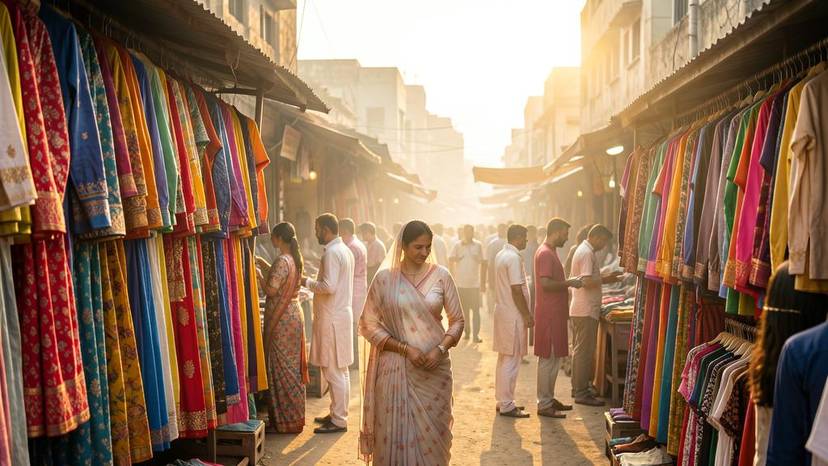
Second-hand shopping is the most sustainable and affordable way to build a cruelty-free wardrobe. In Gujarat, you can find pre-loved clothing in Ahmedabad's 'Resale' markets, such as the Sunday market at Law Garden, where you can haggle for vintage sarees and kurtas for as little as ₹100. Online platforms like Instagram-based resale pages and apps like 'Vinted' (though not yet popular in India) offer alternatives. For special occasions, consider rental services like 'Flyrobe' or 'The Clothing Rental' that operate in major cities, offering designer outfits for a fraction of the retail price.
**Example:** For a wedding in Ahmedabad, instead of buying a new silk saree (which involves silkworm killing), rent a beautiful Tencel or organic cotton saree from a local rental service for ₹500–₹1,000. This saves money and reduces animal suffering.
Where to Find Second-Hand Clothing in Gujarat
- Law Garden Sunday Market, Ahmedabad
- Charity shops operated by NGOs like Oxfam India
- Online resale groups on Facebook (e.g., 'Ahmedabad Clothes Exchange')
- Local thrift stores in Surat and Vadodara
- Swap events organised by eco-conscious communities
Step 4: Choose Low-Impact, Plant-Based Fabrics Over Animal Fibres
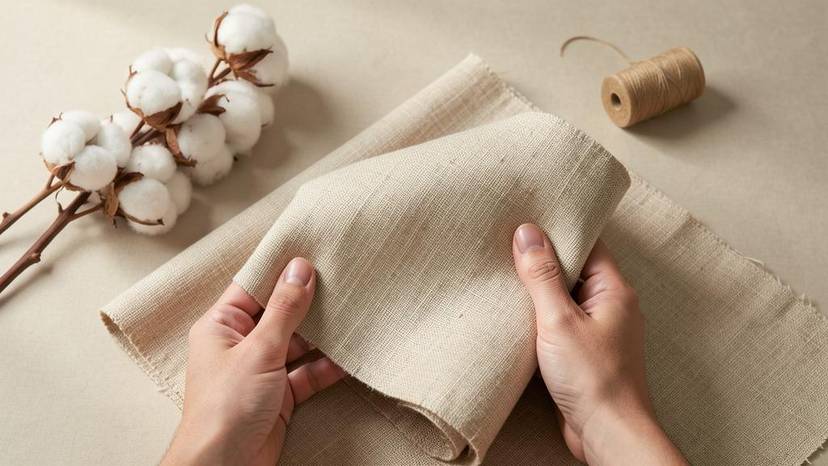
When buying new, prioritise fibres that are both vegan and environmentally friendly. Organic cotton, hemp, bamboo, and Tencel (lyocell) are excellent choices. They require less water than conventional cotton and avoid harmful pesticides. In contrast, animal-based fibres like wool and silk have high ecological footprints and involve direct animal cruelty. Look for certifications like GOTS (Global Organic Textile Standard) and PETA-Approved Vegan to ensure your clothes meet high ethical standards.
**Example:** The Gujarat-based brand 'EcoFabric' in Surat produces organic cotton garments and uses natural dyes. A basic organic cotton t-shirt costs around ₹800, which is comparable to conventional brands but with a fraction of the environmental impact.
Comparing Fabrics: Environmental Impact
Water Consumption of Fibre Production (litres per kg)
Step 5: Support Ethical and Cruelty-Free Brands in India
Several Indian brands are leading the charge in ethical fashion. 'Doodlage' in Delhi uses recycled fabrics, 'Mitti ka Rang' in Rajasthan promotes organic cotton, and 'Trail Blazer' in Bangalore offers vegan footwear. In Gujarat, 'Khamir' in Bhuj supports artisans using natural fibres, and 'Suta' in Mumbai (shipping to Gujarat) creates handwoven sarees from organic cotton. When choosing brands, look for transparency about their supply chain, worker wages, and animal-free materials.

**Example:** 'No Nasties', a Goa-based brand, sells organic cotton t-shirts with transparent pricing—showing exactly how much goes to farmers, workers, and transport. A t-shirt costs ₹999, and the brand is certified vegan by PETA.
Checklist for Ethical Brand Shopping
- ✓Brand has PETA-Approved Vegan certification
- ✓Uses organic or recycled materials (GOTS certified)
- ✓Publishes a list of factories and audits
- ✓Pays fair wages (living wage policy)
- ✓Offers repair or take-back programs
Step 6: Care for Your Clothes to Extend Their Life and Reduce Waste
Proper garment care is crucial for sustainability. Washing in cold water, air-drying, and repairing minor damages can extend a garment's life by years. In Gujarat's humid climate, avoid using electric dryers; instead, hang clothes in shaded areas to prevent fading. Use natural detergents like 'EcoRoots' or 'The Better Home' that are plant-based and free from animal testing.
**Example:** A simple tear in a cotton kurta can be mended with a needle and thread in 15 minutes, saving you the cost of a new garment. For more complex repairs, many local tailors in Ahmedabad charge as little as ₹50.
The Environmental Impact of Clothing Care
According to the Ellen MacArthur Foundation (2024), extending the life of clothes by just 9 months can reduce carbon, waste, and water footprints by around 20–30%. This is a simple yet powerful way to lower your fashion footprint.
Step 7: Advocate for Garment Worker Rights in Your Community
Ethical fashion isn't just about animals—it's also about people. In India, garment workers often face low wages, unsafe conditions, and long hours. By supporting brands that prioritise worker welfare, you contribute to a fairer industry. You can also advocate locally by asking your favourite stores about their sourcing, supporting fair-trade labels, and educating friends and family.
**Example:** In 2023, the government of Gujarat passed a new textile policy aimed at improving worker safety and minimum wages. As a consumer, you can encourage compliance by buying from brands that align with these regulations and by reporting violations to the Labour Department.
Step 8: Track Your Progress and Celebrate Small Wins
Keep a journal or use an app to log your purchases, donations, and savings. Set milestones, such as 'No new animal-based products for 30 days' or 'Bought 3 second-hand items'. Celebrate these achievements—perhaps by treating yourself to a vegan meal at a local café like 'The Green Kitchen' in Ahmedabad. Tracking not only motivates but also shows the cumulative impact of your choices.
**Example:** After 30 days, calculate your environmental savings using online tools like the 'Fashion Footprint Calculator'. You might find that you've saved 1,000 litres of water and kept 2 kg of CO2 out of the atmosphere—a tangible result to share with your network.
Frequently Asked Questions
Is ethical fashion really more expensive than fast fashion?
Not necessarily. While some ethical brands have higher upfront costs, the long-term value is better because clothes last longer. Second-hand shopping and swapping can make ethical fashion affordable. Over a year, you might spend less on fewer, quality items than on multiple cheap, disposable ones.
How can I tell if a fabric is vegan?
Check the label for animal-derived materials like leather, wool, silk, or down. Look for synthetic or plant-based fibres such as polyester, nylon, rayon, or organic cotton. Certifications like PETA-Approved Vegan or the Vegan Society trademark provide extra assurance.
What are the best vegan alternatives to leather in India?
PU (polyurethane) leather is the most common, but innovative options like pineapple leather (Piñatex) and apple skin leather are gaining ground. In India, brands like 'Vegan Leather India' offer affordable PU products, while 'Malai' in Kerala makes a plant-based leather from coconut water.
Can I sell my clothes to make money for new ethical purchases?
Absolutely. Platforms like 'Etsy' (for handmade), 'Olx' or 'Quikr' in India allow you to sell pre-loved clothes. You can also organise a clothing swap with friends or community groups. This creates a circular economy and offsets the cost of new ethical purchases.
Are there any cruelty-free fashion events in Gujarat?
Yes, cities like Ahmedabad and Vadodara host eco-fashion pop-ups and sustainable living fairs. Organisations like 'Ahmedabad Sustainability Foundation' often organise swap meets and awareness sessions. Following local green groups on social media is the best way to stay updated.
Key Takeaways for Your Cruelty-Free Wardrobe Journey
Key Takeaways
- Audit your wardrobe and donate animal-based items.
- Set a budget of ₹2,000–₹5,000 for the month.
- Prioritise second-hand, rental, and swapping options.
- Choose GOTS-certified organic cotton, hemp, or Tencel.
- Support brands that are PETA-approved and transparent.
- Extend garment life through proper care and repairs.
- Advocate for garment worker rights in your community.
સંબંધિત

11 વાસ્તવિક નૈતિક વૉર્ડરોબ ખર્ચ: ગુજરાતમાં ટકાઉ ફેશનનું સત્ય
શું સાચે જ નૈતિક વૉર્ડરોબ ખર્ચાળ છે? ગુજરાતમાં ક્રૂરતા-મુક્ત, ઓછી-અસરવાળી ફેશનની વાસ્તવિક કિંમત અને તે કોણ પરવડી શકે તેનું વિશ્લેષણ.
7 મિનિટ વાંચન
9 બાયો-બેઝ્ડ ટેક્સટાઇલ ગુજરાતમાં નૈતિક ફેશનને કેવી રીતે બદલી રહ્યા છે
ગુજરાતમાં નૈતિક ફેશન માટે બાયો-બેઝ્ડ ટેક્સટાઇલની શક્તિ શોધો — કપાસ, શણ, દૂધના તંતુ અને નવીન સામગ્રી જે પ્રાણી ક્રૂરતા અને પર્યાવરણીય નુકસાન ઘટાડે છે.
8 મિનિટ વાંચન
સેકન્ડ-હેન્ડ ફેશન શું છે? ગુજરાતમાં નૈતિક કપડાંની સંપૂર્ણ સમજ
સેકન્ડ-હેન્ડ ફેશન એટલે વપરાયેલા કપડાં ખરીદવા-વેચવાની પ્રથા જે કચરો ઘટાડે છે, પ્રાણી કલ્યાણને ટેકો આપે છે અને ગુજરાતમાં નૈતિક કપડાંનો સૌથી સસ્તો રસ્તો છે.
6 મિનિટ વાંચન