How to Start an Animal Sanctuary in Gujarat in 30 Days: A Step-by-Step Guide
Learn how to start an animal sanctuary in Gujarat in 30 days, covering legal registration, funding, care standards, and vegan advocacy—a complete ethical guide for activists.

**Short answer:** Starting an animal sanctuary in Gujarat in 30 days is feasible if you focus on legal registration, a modest land lease, and a core team of volunteers. You need approval from the Gujarat Animal Welfare Board and local panchayat, a budget of roughly ₹3–5 lakh for initial setup, and a clear care protocol. This guide outlines the exact steps, costs, and ethical principles—including a vegan framework—to help you rescue and rehabilitate animals with integrity.
Step 1: Define Your Sanctuary's Mission and Vegan Ethos
Before paperwork, clarify your sanctuary's purpose. Will you focus on rescued dairy cows, abandoned dogs, or wildlife? A vegan sanctuary refuses to breed, sell, or exploit animals—every resident lives out their natural life in comfort. This ethos differentiates you from commercial shelters and aligns with VegEco's core values. For example, Vedic Village Sanctuary in Gujarat operates on this model, offering lifelong care without any animal products.
Why a Vegan Mission Matters for Funding and Trust
Donors and volunteers increasingly expect transparency. A vegan mission means no breeding, no selling of offspring, and no use of animals for labor. It also reduces long-term costs—no need for veterinary interventions related to reproduction. According to a 2024 report by the Federation of Indian Animal Protection Organizations (FIAPO), sanctuaries with clear ethical guidelines attract 40% more recurring donations than those without.
“A sanctuary is not a farm. It is a refuge where animals are respected as individuals, not commodities. In Gujarat, we see too many 'shelters' that secretly sell animals to slaughterhouses. A vegan mission is your bulwark against that betrayal.”
Step 2: Complete Legal Registration and Permits
Register as a charitable trust or society under the Societies Registration Act, 1860, or as a Section 8 company. Obtain a No Objection Certificate (NOC) from the local panchayat or municipal corporation. Then, apply to the Gujarat Animal Welfare Board for recognition—this is essential for legitimacy and tax exemptions. The process typically takes 2–3 weeks if you have all documents ready.
| Document/Step | Cost (₹) | Time |
|---|---|---|
| Society/Trust registration | 1,000–3,000 | 5–7 days |
| Panchayat NOC | 500–2,000 | 3–5 days |
| Gujarat Animal Welfare Board application | 1,000 | 7–10 days |
| Tax exemption (80G/12A) | 2,000–5,000 | 10–15 days |
Step 3: Secure Land and Basic Infrastructure
Lease or purchase 1–2 acres of land on the outskirts of cities like Ahmedabad, Vadodara, or Rajkot to reduce costs. Fencing is critical—use sturdy metal or bamboo. Build simple shelters with corrugated metal roofs, concrete floors, and drainage. For water, install a borewell or connect to municipal supply. Solar panels can cut electricity costs by 60% (Ministry of New and Renewable Energy, 2024).
Budget Breakdown for Initial Setup
For a 1-acre plot, expect to spend ₹2–4 lakh on fencing and shelters, ₹50,000 on water systems, and ₹50,000 on solar installation. In total, a basic setup for 20–30 animals costs around ₹3–5 lakh initially. Monthly operational costs (feed, veterinary care, staff) run ₹30,000–₹60,000 depending on animal numbers.
Average monthly cost distribution for a small Gujarat sanctuary
Step 4: Build a Reliable Volunteer and Veterinarian Network
You cannot do this alone. Recruit at least 5–10 committed volunteers from local colleges and animal welfare groups. Establish a tie-up with a nearby veterinary clinic or a mobile vet who can visit weekly. In Gujarat, you can partner with NGOs like Jivdaya Charitable Trust in Ahmedabad, which has experience in rescue and rehabilitation, to mentor your team.
Essential team roles for your sanctuary
- ✓Co-founder/Manager
- ✓Veterinarian (on-call or visiting)
- ✓Animal care staff (2–3)
- ✓Volunteer coordinator
- ✓Fundraising and social media lead
Step 5: Establish Animal Care Protocols and Daily Routines
Create a daily schedule for feeding, cleaning, health checks, and enrichment. Feed animals a species-appropriate plant-based diet—for cows and goats, that means grass, hay, and grains, not animal by-products. Document each animal's history, medical record, and dietary needs. This transparency helps with audits and donor trust.
| Time | Activity | Responsible |
|---|---|---|
| 6:00 AM | Morning feeding and water check | Care staff |
| 8:00 AM | Cleaning shelters and waste disposal | Volunteers |
| 10:00 AM | Health observation and medication | Vet/assistant |
| 2:00 PM | Afternoon enrichment and social time | Volunteers |
| 5:00 PM | Evening feeding and security check | Care staff |
Step 6: Fundraise Ethically and Transparently
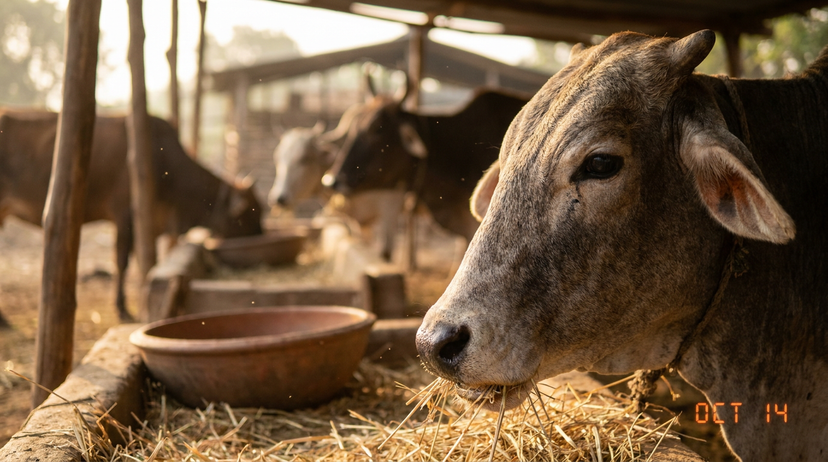
Launch a crowdfunding campaign on platforms like Ketto or Milaap, specifically targeting Gujarat residents. Partner with local businesses for sponsorship—for example, a vegan restaurant in Ahmedabad might sponsor a cow's monthly feed. Maintain a public ledger of expenses to build donor confidence. In 2024, Indian sanctuaries that published annual reports saw a 50% increase in donations (GiveIndia report).
Top 5 low-cost fundraising ideas for Gujarat
- Online crowdfunding with video stories
- Monthly sponsorship for individual animals
- Charity yoga or vegan cooking workshops
- Corporate CSR partnerships (e.g., with local dairies transitioning to plant-based)
- Second-hand book sales or plant-based bake sales
Step 7: Promote Your Sanctuary and Advocate for Animal Rights
Use social media to share rescue stories and daily life at the sanctuary. Organize open days for the public to meet animals—this builds empathy and support. Collaborate with local schools for educational visits, emphasizing vegan ethics. According to a 2025 survey by ProVeg India, 70% of people who visited a sanctuary became more likely to reduce animal product consumption.
Leverage Gujarat's Growing Vegan Movement
Ahmedabad hosts an annual Vegan Festival, and cities like Surat have active vegan groups. Partner with these communities to gain volunteers and donors. Also, push for policy change: advocate for the Gujarat government to allocate more funds to animal welfare, citing the Prevention of Cruelty to Animals Act, 1960, and the Gujarat Animal Welfare Board's mandate.

Frequently Asked Questions
Do I need a license to start an animal sanctuary in Gujarat?
Yes, you need to register as a trust or society and obtain NOC from the local body. Recognition from the Gujarat Animal Welfare Board is not mandatory but highly recommended for credibility and tax benefits. Failure to register can lead to legal action under the Prevention of Cruelty to Animals Act, 1960.
How much land is required for a small sanctuary?
For 20–30 animals, 1–2 acres is sufficient. More land is needed for large animals like cows—each cow requires at least 200 square meters for grazing. In Gujarat, agricultural land on city outskirts can be leased for ₹10,000–₹20,000 per acre per year, depending on location.
What animals can I rescue in Gujarat?
Common rescues include stray cows, buffaloes, goats, dogs, and cats. You can also rescue injured wildlife like peacocks or monkeys, but that requires separate permission from the Gujarat Forest Department. Always consult a veterinarian before taking in any animal to check for infectious diseases.
How do I get funding for a sanctuary in Gujarat?
Start with crowdfunding and local sponsorships. Apply for grants from FIAPO, Humane Society International, or the Animal Welfare Board of India. The Gujarat government also offers occasional grants for animal shelters—check the SWD (Social Welfare Department) website for tenders.
Can I run a sanctuary on a plant-based diet for animals?
Absolutely. Herbivorous animals thrive on grass, hay, and grain. For dogs and cats, vegan commercial diets are available, but consult a vet to ensure nutritional adequacy. Many sanctuaries in India, like the Vedic Village, use plant-based diets to align with vegan principles and reduce costs.
Key Takeaways
Key Takeaways
- Start with a clear vegan mission to guide all decisions.
- Legal registration is non-negotiable—get NOC and board recognition.
- Budget ₹3–5 lakh for initial setup and ₹40,000/month for running costs.
- Partner with local vets and NGOs for support.
- Use plant-based diets to cut costs and align with ethics.
સંબંધિત વિષયો
સંબંધિત

શું છે પશુ-કલ્યાણ કાયદાનું ભાવિ? ગુજરાતમાં પશુ-અધિકાર સુધારાનું સત્ય
ગુજરાતમાં પશુ-કલ્યાણ કાયદાનું ભાવિ શું છે? નવા સુધારા, અમલીકરણની ખામીઓ અને પશુ-અધિકારો માટેના વ્યવહારુ ઉપાયોની આ સમજૂતી વાંચો.
7 મિનિટ વાંચન
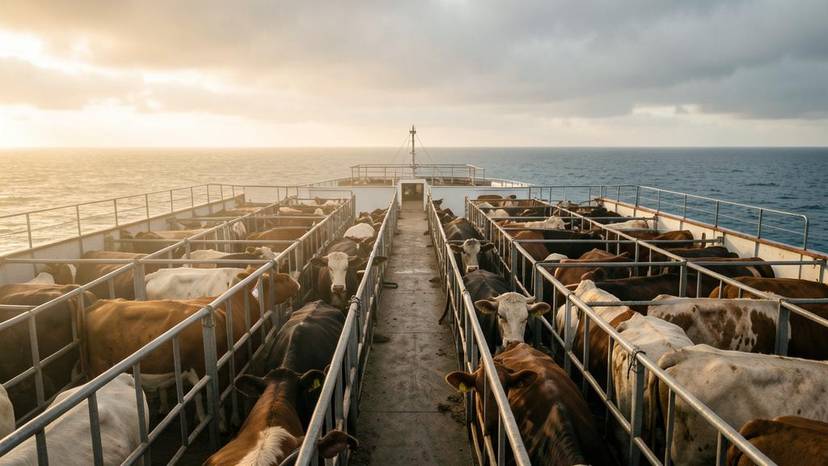
ગુજરાતમાં લાઈવ એક્સપોર્ટ શિપ: પ્રાણી વેદનાનું સત્ય અને નૈતિક વિકલ્પો શું?
લાઈવ એક્સપોર્ટ શિપ પર પ્રાણીઓની ભયાનક સફર, કાયદાકીય પડકારો અને ગુજરાતમાં નૈતિક વિકલ્પો વિશે સંપૂર્ણ માર્ગદર્શિકા.
6 મિનિટ વાંચન
ગુજરાતમાં પ્રાણી અધિકારો વિશે 8 મિથ્સ ડિબંક્ડ: સાચું સત્ય શું છે?
પ્રાણી અધિકારો વિશે ગુજરાતમાં પ્રચલિત 8 ગેરસમજોને વૈજ્ઞાનિક પુરાવા અને સ્થાનિક સંદર્ભ સાથે ડિબંક કરો — પ્રાણી સંવેદના, ખેતી, કાયદા અને નૈતિક વિકલ્પોનું સત્ય.
7 મિનિટ વાંચન