How to organize a cyanide fishing protest in Gujarat in 30 days
A step-by-step activism guide to planning a legal, media-savvy protest against cyanide fishing in Gujarat, with grassroots tactics, policy targets, and animal-rights framing.
**Short answer:** Organizing a cyanide fishing protest in Gujarat in 30 days requires a clear legal framework, strategic coalition building, media engagement, and a strong animal-rights and marine-conservation message. Start by researching local fishing hotspots and policy gaps, then secure permissions, partner with NGOs like Greenpeace India or the Wildlife Trust of India, and use social media to amplify your cause. This guide provides a step-by-step roadmap to turn your concern into a peaceful, impactful protest that pressures authorities to enforce existing bans and adopt stronger protections for marine life.
What is cyanide fishing and why does it demand protest in Gujarat?
Cyanide fishing involves dissolving sodium cyanide in water to stun fish for the aquarium trade or live-food markets. This method, though banned in India under the Wildlife (Protection) Act, 1972, and the Coastal Regulation Zone (CRZ) norms, is still practiced illegally along Gujarat's 1,600-km coastline. The cyanide kills coral reefs, invertebrates, and juvenile fish, devastating biodiversity. According to a 2023 report by the Gujarat Ecological Society, coral cover in the Gulf of Kutch has declined by 18% over the past decade, partly due to such practices.
The animal suffering is immense: fish exposed to cyanide experience severe neurological damage, respiratory distress, and slow death. Survivors often die within weeks in holding tanks. This is not just an environmental issue; it's a cruelty issue. A protest can highlight this double harm—to sentient beings and to the ecosystem—and push for stricter enforcement, community education, and alternative livelihoods for fishers.
How to identify and target the right protest locations and policy gaps
Begin by researching where cyanide fishing is most prevalent. Key hotspots in Gujarat include Veraval, Porbandar, and the Gulf of Kutch region. Talk to local fishers (with anonymity guarantees), marine biologists, and NGOs to pinpoint active sites. Simultaneously, identify policy gaps: for example, the Gujarat Fisheries Department's 2020 guidelines lack specific penalties for cyanide use, and enforcement of the CRZ rules is lax. Target your protest at the district collector's office or the state fisheries department in Gandhinagar to demand stricter rules and capacity building for inspectors.
Example: In 2022, a coalition of local NGOs and students in Porbandar organized a silent vigil outside the fisheries office, presenting a memorandum listing 12 cyanide fishing incidents reported by whistleblowers. The protest received coverage in local media, leading to a public promise by the department to conduct surprise inspections. This shows that a well-researched target increases the chance of concrete action.
Step 1: Assemble a core team and define your protest's goals
Your team should include 5-7 dedicated individuals with skills in organizing, legal research, media, and design. Define clear, achievable goals: for instance, demand a public commitment from the Gujarat Fisheries Department to conduct monthly inspections in hotspot areas, or a state-level ban on cyanide fishing with penalties under the Prevention of Cruelty to Animals Act, 1960. Make your goals specific and measurable, so you can declare victory when they are met.
Example: The 'Save Our Seas' collective in Junagadh set a goal to gather 1,000 signatures on a petition and submit it to the state fisheries minister. They achieved this in three weeks using a combination of door-to-door canvassing and an online petition on Change.org, and later used the petition as evidence of public support when meeting officials.
Core team checklist for protest planning
- ✓Organizer: coordinates logistics and timelines
- ✓Legal advisor: ensures compliance with protest laws
- ✓Media contact: drafts press releases and handles inquiries
- ✓Designer: creates banners, posters, and social media visuals
- ✓Outreach lead: liaises with NGOs and local communities
- ✓Safety officer: plans first aid and de-escalation strategies
Step 2: Research legal requirements and secure permissions in Gujarat
In India, public protests are legal but require prior permission from the local police and, depending on location, the district administration. File an application with the Deputy Commissioner of Police (DCP) in your city, stating the purpose, date, time, and expected crowd size. Also check if the venue falls under CRZ restrictions; if so, you may need clearance from the Gujarat Coastal Zone Management Authority (GCZMA). Always keep a copy of the permission letter with you during the protest.
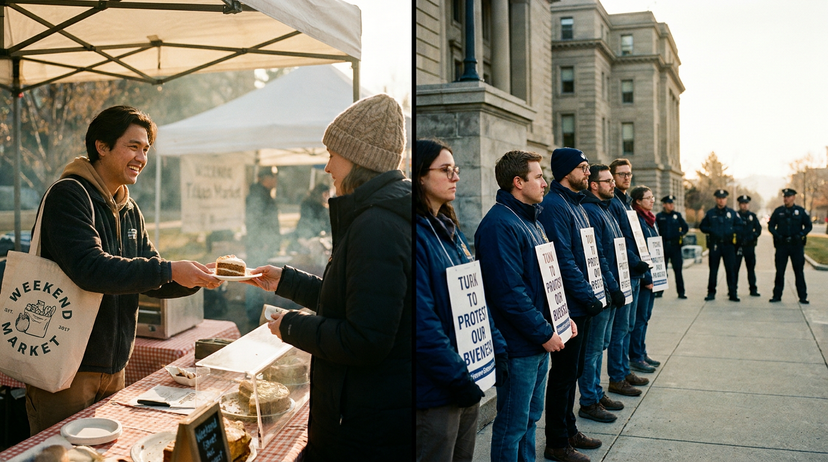
Cost involved: Permissions are typically free, but you may need to budget for a lawyer's consultation (₹5,000–₹10,000) if you face complications. Example: In Ahmedabad, the 'Youth for Animal Rights' group filed their application 10 days in advance and received permission for a two-hour protest outside the state secretariat. They also submitted a letter to the GCZMA for a coastal rally, which was approved with conditions like maintaining a 10-meter distance from the high-tide line.
| Step | Timeline | Cost (₹) |
|---|---|---|
| File police permission application | Day 1–5 | 0 |
| Consult lawyer if needed | Day 3–7 | 5,000–10,000 |
| Submit GCZMA clearance (if coastal) | Day 5–10 | 0 |
| Print banners and posters | Day 10–15 | 2,000–5,000 |
| Arrange sound system and first aid | Day 15–20 | 3,000–8,000 |
Step 3: Build a coalition with NGOs, student groups, and local fishers
Partner with established organizations like Greenpeace India, the Wildlife Trust of India, or local groups such as the Gujarat Nature Conservation Society. Also reach out to student environmental clubs in universities like M.S. University in Vadodara or Gujarat University in Ahmedabad. Crucially, involve local fishing communities—many are unaware of cyanide's harm or are forced into it by economic pressure. Highlight alternative livelihoods like sustainable fishing or eco-tourism to win their support.
Example: The 'Save Our Seas' collective in Junagadh partnered with a local fisher cooperative to organize a joint awareness workshop. The cooperative's leader, Mr. Harish Solanki, publicly endorsed the protest, which increased participation from the community and gave the movement legitimacy. This also reduced the risk of backlash from fishers who might otherwise see the protest as an attack on their livelihood.
“Cyanide fishing is a crime against nature and a crime against the sentient beings who suffer a cruel death. A peaceful protest is not just a demand for policy change—it is a moral stand for marine life that has no voice.”
Step 4: Craft a compelling message and visual identity for the protest
Your message should be simple, emotional, and action-oriented. Use phrases like 'Stop Cyanide Fishing – Save Our Seas' and 'Protect Gujarat's Coral Reefs'. Create visuals that show the contrast between healthy reefs and bleached, dead corals, and images of fish suffering—these are powerful for media and social media. Use local languages (Gujarati and Hindi) alongside English to reach a wider audience. Ensure all visuals are cruelty-free and do not use graphic images that might be censored on social platforms.
Example: The 'BlueVoice Gujarat' campaign used a series of Instagram posts showing a healthy coral reef next to a cyanide-damaged one, with a simple caption: 'Your aquarium fish cost a reef its life.' The posts were shared over 5,000 times and caught the attention of local news channels, which featured the campaign in a segment on marine conservation.
Step 5: Plan the protest day logistics and safety measures
On the day, arrive early with your team. Set up a designated area for speeches, a separate space for media interviews, and a first-aid stall. Ensure you have drinking water, sunscreen, and hats for participants. Assign marshals to maintain order and communicate with police. Have a legal observer present to document any issues. Plan a peaceful route if you're marching, and end with the submission of a memorandum to the relevant authority.
Protest day schedule (3-hour example)
- 10:00 AM – Team assembly and briefing
- 10:30 AM – Opening speech and context setting
- 11:00 AM – Speeches by coalition partners and community leaders
- 11:30 AM – Silent vigil or march to designated point
- 12:00 PM – Submission of memorandum and press statement
- 12:30 PM – Clean-up of the venue and dispersal
Step 6: Engage media and use social media for amplification
Before the protest, send a press release to local newspapers, TV channels, and online portals like DeshGujarat and Divya Bhaskar. Include a strong hook: the environmental impact, the animal suffering, and the policy gap. On the day, have a media coordinator who can provide interviews and B-roll footage. After the protest, post photos and videos on social media with relevant hashtags like #StopCyanideFishing and #SaveGujaratReefs. Tag the Gujarat Fisheries Department and the Chief Minister's office to pressure them publicly.
Example: After the 2022 Porbandar vigil, the organizers released a short video of a dead parrotfish on a bleached reef, which went viral on Twitter with over 100,000 views. This led to a follow-up story by The Times of India, and the issue was raised in the Gujarat Legislative Assembly by an opposition MLA.
Step 7: Follow up with policy engagement and long-term advocacy
A protest is just the beginning. Within a week, request a meeting with the fisheries department to discuss your demands. Present your evidence and propose concrete actions, such as a state-level task force on illegal fishing practices or funding for sustainable fishing training. Continue to monitor and report any cyanide fishing incidents to the authorities. Build a long-term campaign that includes educational workshops in coastal schools and alternative livelihood projects for fishers.
Example: The 'Save Our Seas' collective followed their protest with a series of town-hall meetings in Veraval, where they connected fishers with NGOs offering sustainable aquaculture training. This reduced local dependence on cyanide fishing and created a model that other coastal districts could replicate.
Frequently Asked Questions
Is cyanide fishing legal in India?
No, cyanide fishing is illegal in India under the Wildlife (Protection) Act, 1972, and the Coastal Regulation Zone (CRZ) norms. However, enforcement is weak, and it continues illegally in states like Gujarat. A protest can highlight this enforcement gap and pressure authorities to take action.
How much does it cost to organize a protest in Gujarat?
A basic protest can cost between ₹10,000 and ₹20,000, including printing banners, renting a sound system, and first-aid supplies. Permissions are free, but legal consultation may add ₹5,000–₹10,000 if needed. Crowdfunding through platforms like Ketto can cover these costs.
What permits do I need for a protest in Gujarat?
You need prior permission from the local Deputy Commissioner of Police (DCP) and, if the protest is in a coastal area, clearance from the Gujarat Coastal Zone Management Authority (GCZMA). File your application at least 10 days in advance to ensure approval.
How can I involve local fishing communities in the protest?
Engage fishers by listening to their economic concerns and offering alternatives like sustainable fishing training or eco-tourism partnerships. Involving them as allies rather than opponents ensures the protest addresses root causes and gains community support.
What are the main policy demands for stopping cyanide fishing in Gujarat?
Key demands include stricter penalties under the Prevention of Cruelty to Animals Act, 1960, dedicated enforcement teams in hotspot districts, a state-funded awareness campaign, and financial support for fishers to transition to sustainable livelihoods.
Key Takeaways
Key Takeaways list
- Research local hotspots and policy gaps before protesting
- Secure police and GCZMA permissions early
- Partner with NGOs, student groups, and local fishers
- Use compelling visuals and local languages for media outreach
- Plan for safety and legal compliance on the day
- Follow up with policy meetings and long-term campaigns
Coral cover decline in Gulf of Kutch (2015–2025)
સંબંધિત વિષયો
સંબંધિત
લેન્ડફિલ મિથેન કેપ્ચર vs રિડક્શન: ગુજરાતમાં કયો વિકલ્પ પ્રાણી અને આબોહવા માટે વધુ સારો?
લેન્ડફિલ મિથેન કેપ્ચર અને સ્ત્રોત-સ્તરે રિડક્શન – ગુજરાતમાં કચરો વ્યવસ્થાપન અને પ્રાણી-ખેતીના ઉત્સર્જન સામે કયો અભિગમ વધુ અસરકારક અને નૈતિક છે, તેની તુલનાત્મક સમીક્ષા.
4 મિનિટ વાંચન
રિફિલ કલ્ચર શું છે? ગુજરાતમાં પ્લાસ્ટિક કચરો ઘટાડવાની સંપૂર્ણ માર્ગદર્શિકા
રિફિલ કલ્ચર એટલે સિંગલ-યુઝ પ્લાસ્ટિકને નકારીને કન્ટેનર ફરી ભરવાની ટેવ; ગુજરાતમાં આ ચળવળ કચરો, પ્રાણી કલ્યાણ અને આબોહવા પર કેવી અસર કરે છે તે જાણો.
7 મિનિટ વાંચન
બાળકો સાથે પ્રાણી ખેતી વિશે વાત: શરમ-મુક્ત પેરેન્ટિંગ માટે વ્યવહારુ માર્ગદર્શિકા
માતા-પિતા માટે આ લેખ સમજાવે છે કે કેવી રીતે બાળકોને પ્રાણી ખેતી, માંસ અને દૂધ વિશે શરમ કે આઘાત વિના વાત કરવી, ઉંમર-યોગ્ય ભાષા અને પોષણ સાથે.
6 મિનિટ વાંચન